
Laser Cleaning Applications
Smart Surface Cleaning for Modern Industry
Laser cleaning technology is transforming industrial surface treatment. Compared with traditional methods such as sandblasting, chemical cleaning, and mechanical grinding, laser cleaning offers higher precision, lower environmental impact, and minimal damage to base materials.
From heavy industry to precision electronics, laser cleaning machines are now widely used across multiple sectors for rust removal, paint stripping, oxide cleaning, coating preparation, and precision surface treatment.
Why Industries Are Switching to Laser Cleaning
Modern manufacturers face increasing pressure to improve efficiency while reducing pollution, labor costs, and material waste. Laser cleaning solves many of these challenges through:
- Non-contact cleaning
- No chemical consumables
- Minimal substrate damage
- Low maintenance costs
- High automation compatibility
- Environmentally friendly operation
Laser cleaning systems can precisely remove contaminants without affecting the underlying metal, making them ideal for high-value industrial components.

Metal Rust Removal
Fast and Non-Damaging Rust Cleaning
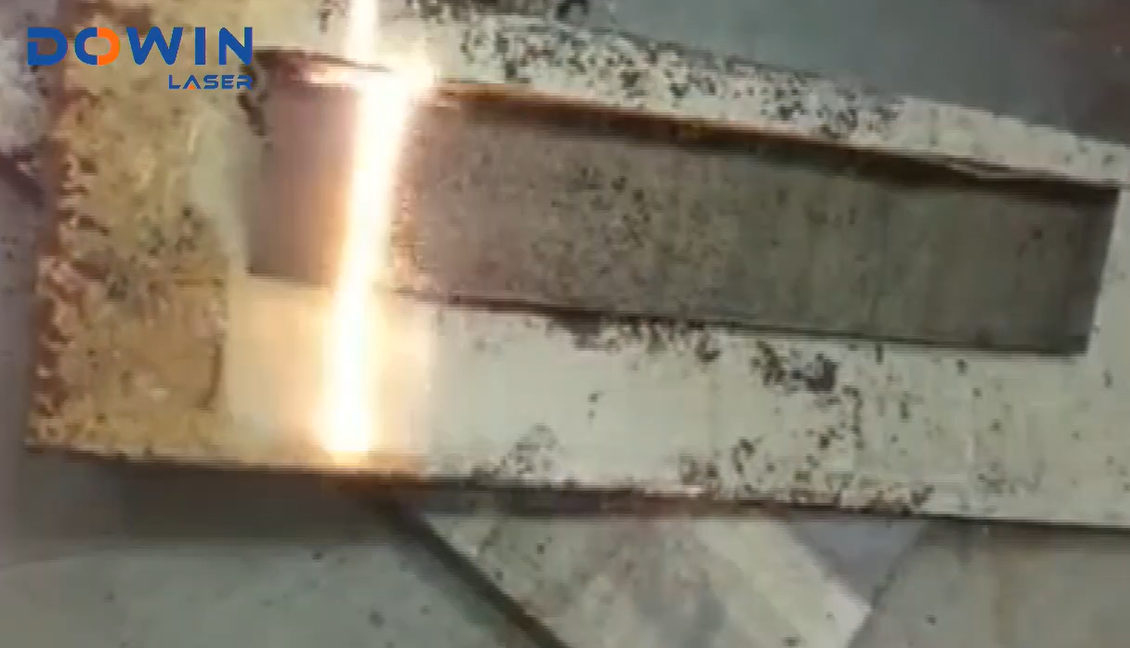
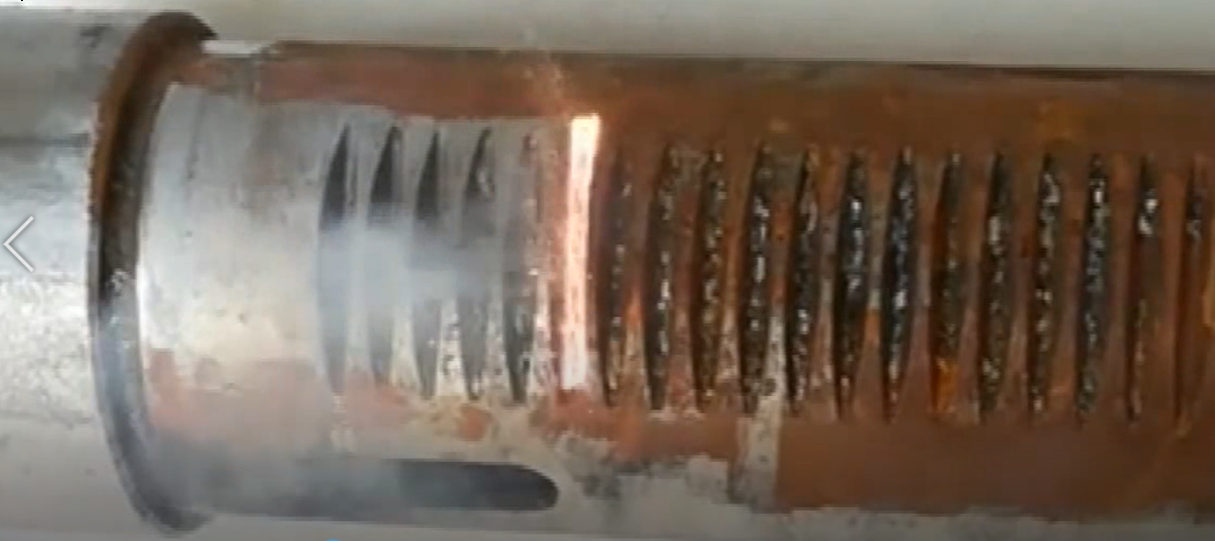
Rust removal is one of the most common laser cleaning applications. Fiber laser cleaning machines can efficiently remove oxidation, corrosion, and rust layers from steel, iron, aluminum, and stainless steel surfaces.
Common Applications:
- Steel structure maintenance
- Automotive parts restoration
- Railway maintenance
- Shipbuilding equipment
- Industrial pipelines
- Construction machinery
Unlike sandblasting, laser rust removal does not wear away healthy metal surfaces, helping extend component lifespan.
Paint Removal and Coating Stripping
Precise Surface Preparation
Laser cleaning is highly effective for removing paint, powder coating, anodized layers, and surface films before welding, repainting, or bonding.
Advantages:
- No chemical solvents required
- Precise cleaning area control
- Reduced post-processing work
- Cleaner working environment
Industries Using Laser Paint Removal:
- Automotive manufacturing
- Aerospace maintenance
- Metal fabrication
- Military equipment refurbishment
- Industrial machinery repair
Portable handheld laser cleaners are especially popular for mobile paint stripping applications.
Mold Cleaning
Precision Cleaning Without Mold Damage
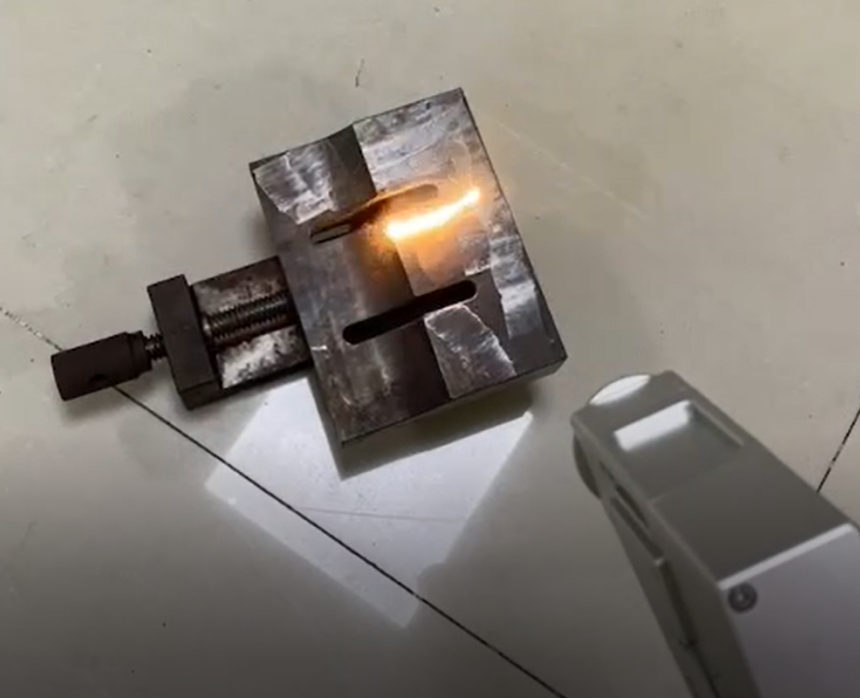
Traditional mold cleaning methods often scratch or damage expensive mold surfaces. Laser cleaning allows manufacturers to remove carbon deposits, oil residues, and contaminants without disassembling molds or damaging fine textures.
Suitable Mold Types:
- Injection molds
- Tire molds
- Rubber molds
- Die-casting molds
- Electronics molds
Key Benefits:
- Reduced mold downtime
- Improved product quality
- Extended mold lifespan
- No abrasive wear
Laser mold cleaning is increasingly important in industries requiring ultra-high precision production.
Weld Seam Cleaning
Better Welding Quality and Appearance
Laser cleaning is widely used before and after welding processes.
Before Welding:
Laser cleaning removes oil, oxide layers, rust, and contaminants to improve weld penetration and stability.
After Welding:
Laser systems can remove:
- Weld discoloration
- Oxide layers
- Welding residue
- Surface contamination
This improves final weld appearance and reduces additional polishing work.
Oxide Layer Removal
High-Precision Surface Treatment
Metal oxide layers can reduce conductivity, coating adhesion, and welding performance. Laser cleaning can selectively remove oxide layers while preserving the base material.
Common Materials:
- Stainless steel
- Aluminum alloys
- Copper
- Titanium alloys
Typical Industries:
- Electronics manufacturing
- Battery production
- Aerospace components
- Precision machining
Pulse laser cleaning systems are particularly effective for delicate oxide removal applications.

Laser Cleaning in the Automotive Industry
Faster Maintenance and Restoration
Automotive manufacturers increasingly use laser cleaning for both production and repair.
Automotive Applications:
- Rust removal from car frames
- Brake component cleaning
- Engine part cleaning
- Tire mold cleaning
- Paint stripping
- Battery welding preparation
Laser cleaning improves production consistency while reducing chemical waste and labor intensity.
Aerospace and Aviation Applications
Precision Cleaning for Critical Components
Aircraft components require extremely high surface cleanliness standards. Laser cleaning provides non-contact, highly controlled cleaning for sensitive aerospace materials.
Aerospace Uses:
- Turbine blade cleaning
- Aircraft paint removal
- Oxide layer treatment
- Composite material preparation
- Engine maintenance
Because laser cleaning minimizes substrate damage, it is ideal for expensive aerospace parts.
Electronics Industry Applications
Ultra-Precise Surface Cleaning
Electronics manufacturing demands microscopic precision. Laser cleaning can remove contaminants from delicate components without damaging surrounding materials.
Electronics Applications:
- PCB cleaning
- Connector cleaning
- Semiconductor surface treatment
- Precision mold cleaning
- Battery tab preparation
Pulse laser systems are commonly used because of their extremely low heat impact.
Cultural Heritage and Stone Restoration
Gentle Cleaning for Historical Preservation
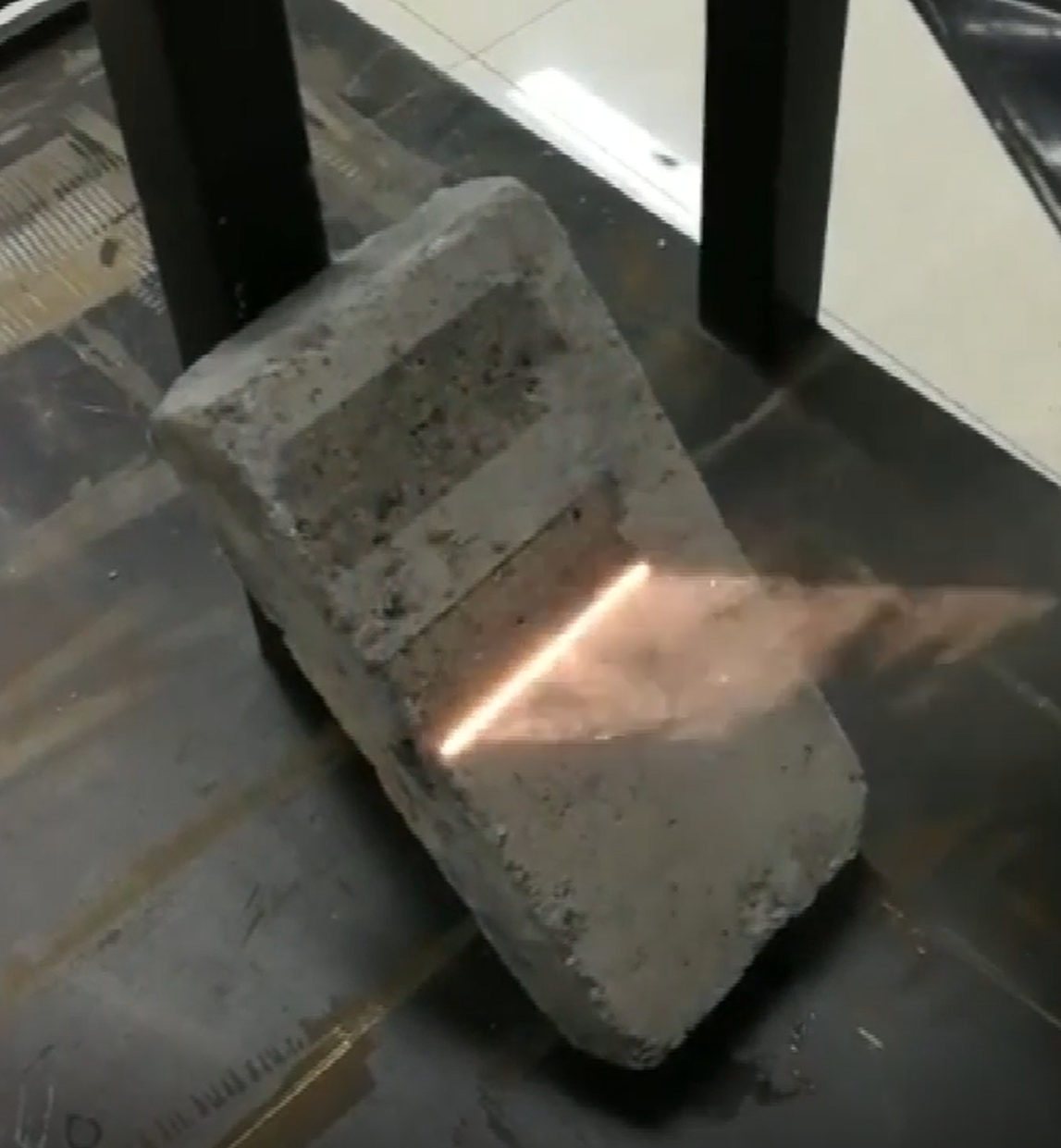
Laser cleaning is increasingly used in restoration projects because it can remove dirt, pollution, and oxidation without harming historical surfaces.
Restoration Applications:
- Historical monuments
- Stone sculptures
- Bronze statues
- Cultural relics
- Architectural restoration
This application demonstrates how laser cleaning combines precision with surface preservation.
Lasers are a versatile tool when working with dust,oil.
For example, in the design industry, the different colors of engraving that can be achieved (brown and white) and dark laser cut lines can help a design stand out from the competition. With wood you can design new products for a variety of industries, whether you are producing laser cut mdf, plywood cutting or engraving solid wood panels.
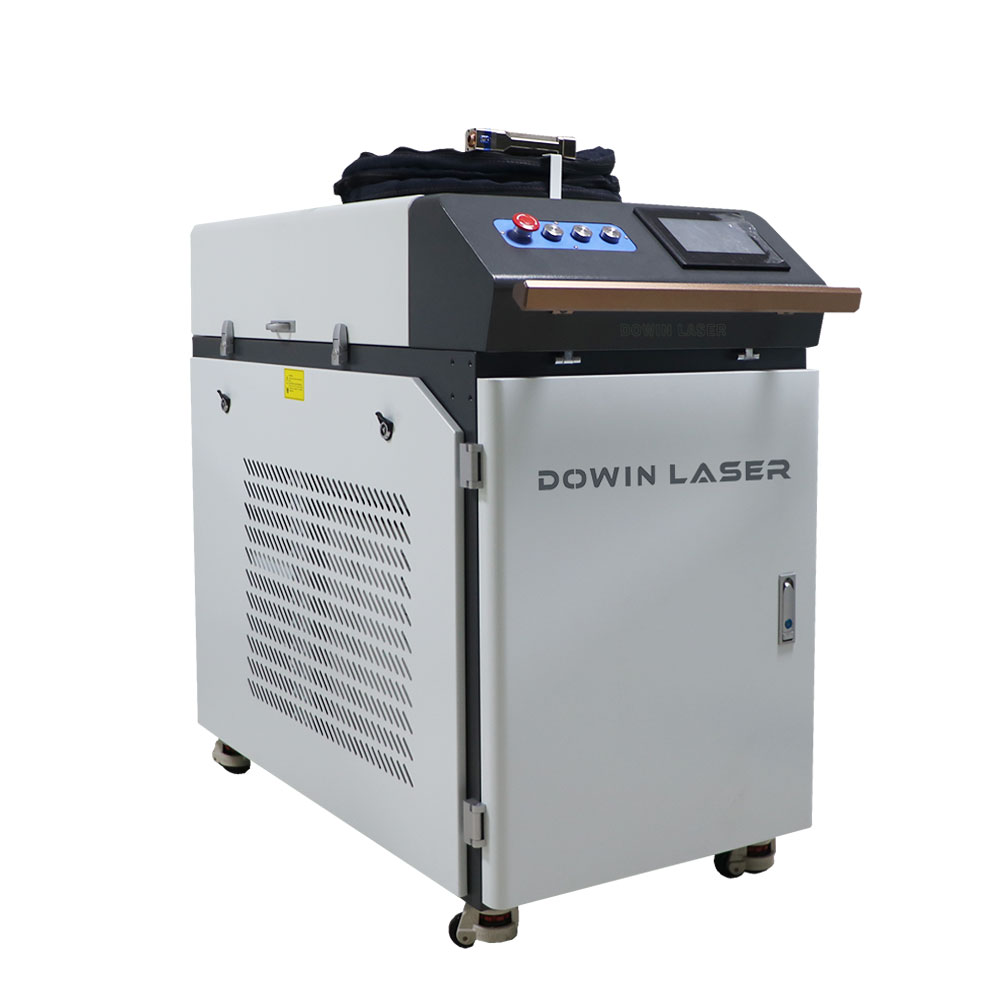
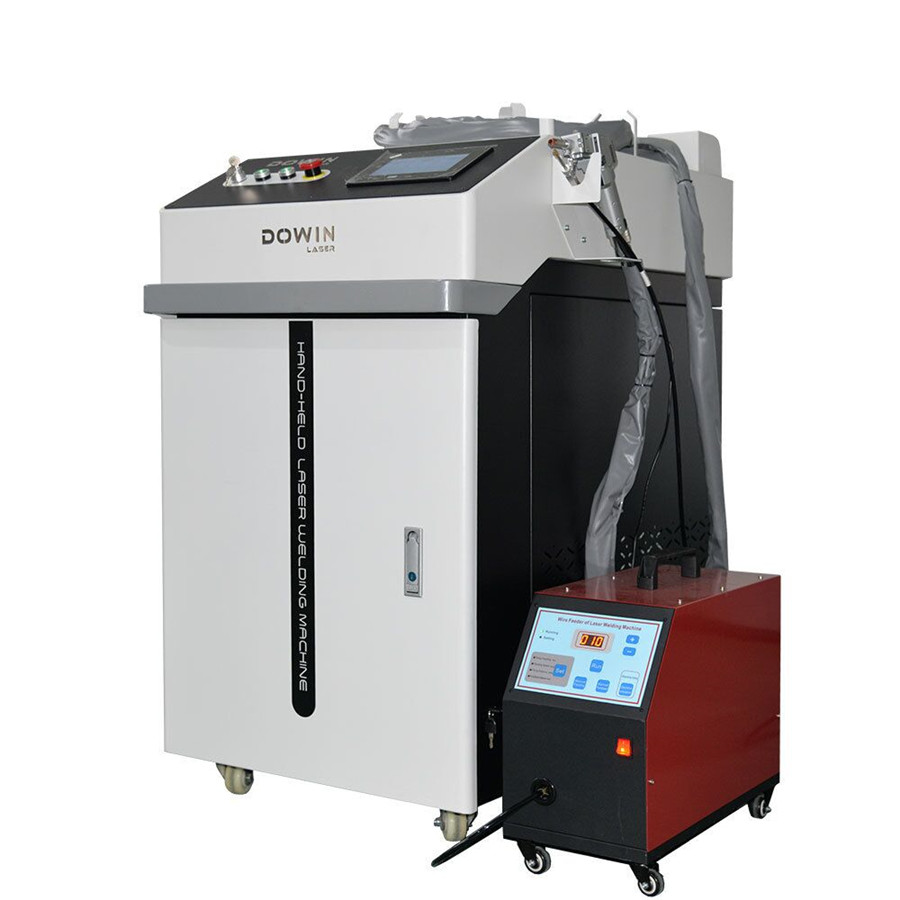
More industry application samples: