
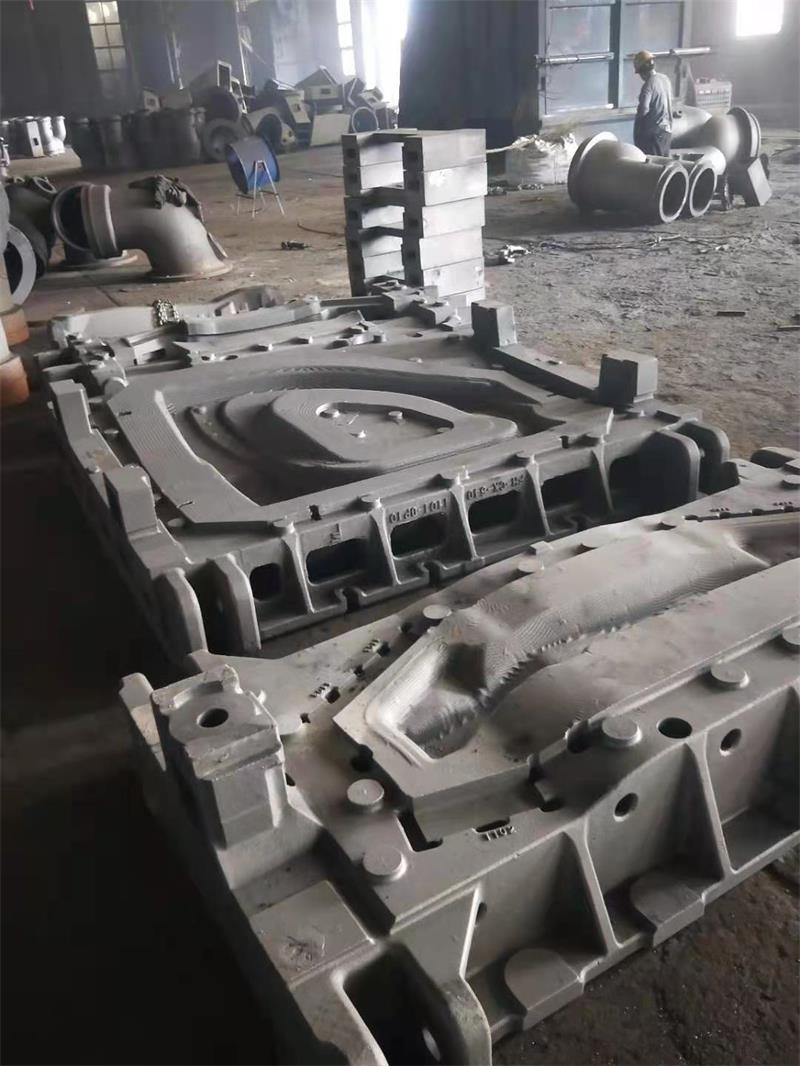
In the competitive world of precision manufacturing, efficiency, product quality, and cost control are critical to success. Molds—used in injection molding, die-casting, stamping, and other high-precision processes—are essential assets for manufacturers. Even minor damage, such as cracks, wear, or surface imperfections, can disrupt production, compromise part quality, and incur significant repair or replacement costs.
To address these challenges, many manufacturers are turning to mold laser welding equipment. Unlike traditional welding or manual repair methods, laser welding provides high-precision repair capabilities, minimizing downtime while maintaining mold integrity. This article explores why precision manufacturers are increasingly investing in mold laser welding equipment and the key benefits that drive this decision.
1. Maintaining Tight Tolerances and High-Quality Production
Precision molds often feature complex geometries and tight tolerances, where even slight deformation can affect part consistency. Traditional repair methods, such as TIG welding, micro-arc welding, or brazing, introduce large heat-affected zones, leading to potential warping and surface irregularities.
Laser welding, by contrast, focuses energy precisely on the damaged area, creating a controlled melt pool and minimal heat spread. This enables the repair of cracks, worn edges, or cavities without altering the mold’s original dimensions. For industries like automotive, medical devices, aerospace, and electronics, where accuracy and surface finish are critical, this capability ensures that repaired molds continue to produce consistent, high-quality parts.
2. Reducing Downtime and Increasing Operational Efficiency
Mold downtime is one of the most costly challenges in manufacturing. Every hour a mold is out of operation reduces output and can impact delivery schedules. Traditional repair processes often require extensive preparation, slow welding, and post-weld finishing, prolonging downtime.
Mold laser welding equipment offers fast, precise repair cycles, minimizing the time molds spend out of production. Automated laser systems, often guided by CNC or robotic arms, complete repairs with consistent quality and minimal human intervention. As a result, manufacturers can return molds to production quickly, maintaining operational efficiency and meeting tight deadlines.
3. Extending Mold Life and Reducing Replacement Costs
Molds are a significant investment, and frequent replacement due to wear or cracks can substantially increase production costs. Laser welding enables repeated repairs without compromising mold integrity, thanks to its precision and controlled heat input.
The process deposits filler material only where needed and avoids overheating surrounding areas. This prevents structural weakening and preserves the hardness and strength of the mold material. For precision manufacturers, extending mold life translates into reduced capital expenditures and better return on investment, allowing molds to deliver more production cycles before replacement becomes necessary.
4. Minimizing Material Waste and Supporting Sustainable Manufacturing
Traditional welding methods often require excess filler material and post-repair machining, which can generate significant scrap. In contrast, mold laser welding allows precise, controlled material deposition, using only what is necessary to restore the mold.
This not only reduces material costs but also aligns with environmentally conscious manufacturing practices. By minimizing waste and energy usage in the repair process, manufacturers can maintain sustainability goals without sacrificing performance or quality.
5. Improving Surface Finish and Reducing Post-Processing
Laser welding produces a smooth, even surface that often requires minimal post-processing. This is particularly valuable for molds used in industries requiring high surface quality, such as consumer electronics, medical devices, or cosmetic packaging.
A smoother mold surface reduces friction during production, decreases wear, and improves the consistency of molded parts. Less grinding, polishing, or machining also saves labor costs and reduces the risk of unintentional deformation, ensuring the mold retains its precise dimensions after repair.
6. Versatility Across Mold Types and Materials
Precision manufacturers work with a wide range of mold types and materials, from injection molds for plastics to die-casting molds for metals. Mold laser welding equipment is highly versatile, capable of repairing:
- Tool steels (H13, P20, NAK80, S136)
- Copper and aluminum alloys
- Complex geometries with fine details
This versatility allows manufacturers to standardize repair procedures across different molds without investing in multiple specialized repair systems. It also enables shops to handle both small, delicate molds and large, heavy-duty molds using the same laser system.
7. Automation and Consistency for Modern Manufacturing
Modern mold laser welding equipment often integrates with CNC control, vision systems, and robotic automation, providing consistent repair quality with minimal human error. This level of automation is especially important in high-volume production environments, where repeatable precision is essential.
Automated laser welding ensures uniform weld depth, accurate material deposition, and consistent surface finish, even on complex molds. This reliability reduces the likelihood of rework and ensures that repaired molds consistently meet quality standards.
Conclusion
Precision manufacturers invest in mold laser welding equipment because it addresses multiple operational challenges simultaneously: maintaining mold accuracy, minimizing downtime, extending mold life, reducing material waste, and improving surface finish. Its versatility across mold types, materials, and complex geometries makes it a cost-effective, long-term solution for modern manufacturing environments.
By adopting laser welding technology, manufacturers not only enhance their production efficiency but also safeguard product quality, reduce repair costs, and support sustainable practices. In today’s highly competitive market, these advantages make mold laser welding equipment an indispensable tool for any precision manufacturing operation.
Post time: May-06-2026
