
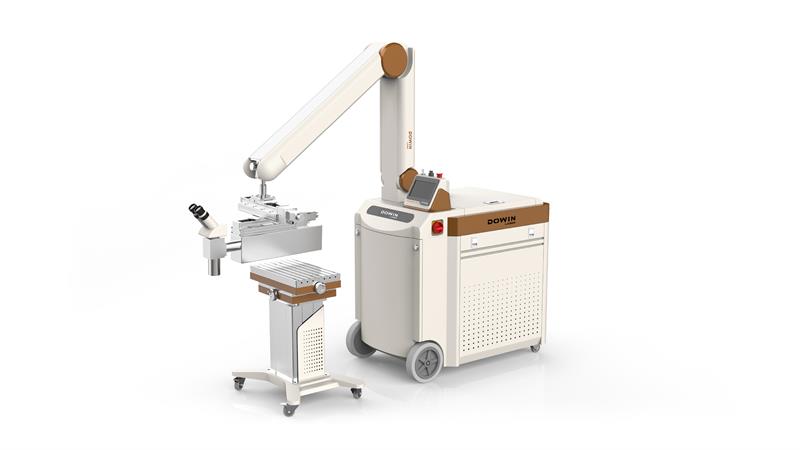
The automotive industry runs on precision, speed, and scale. A damaged mold can stop production lines, delay supplier schedules, and create expensive quality issues within hours. Because of this, automotive factories increasingly rely on mold laser repair welding machines to maintain tooling instead of waiting for full replacement.
These systems combine precision welding, low heat input, and rapid repair turnaround—making them ideal for modern automotive manufacturing.
The High Cost of Mold Failure in Automotive Production
Automotive molds are used to produce large volumes of components such as:
- Interior trim panels
- Dashboard parts
- Bumpers
- Connector housings
- Lighting components
- Battery pack plastic parts
- Clips and fasteners
When a mold fails, factories may face:
- Production downtime
- Missed delivery deadlines
- Overtime labor costs
- Scrap and rework
- Expedited tooling replacement
- Supplier penalty risks
In automotive manufacturing, one damaged mold can affect an entire supply chain.
1. Fast Repair Minimizes Downtime
Automotive plants often operate around the clock. Waiting days or weeks for a replacement insert is rarely acceptable.
Mold laser repair welding machines allow technicians to repair worn edges, chipped corners, cracks, or localized damage quickly, helping molds return to production faster.
Why it matters:
- Keeps production lines moving
- Reduces emergency stoppages
- Protects just-in-time delivery schedules
2. Precision Matters for Tight Tolerances
Automotive components must fit perfectly during assembly. Even small dimensional errors can create rattles, alignment issues, or rejected parts.
Laser welding uses concentrated energy in a tiny area, allowing accurate buildup with minimal distortion.
Ideal for repairing:
- Parting lines
- Shut-off surfaces
- Fine ribs
- Connector features
- Trim alignment zones
3. Low Heat Input Protects Expensive Tooling
Traditional welding can introduce excess heat, causing warping, hardness changes, or secondary cracking.
Laser repair focuses heat only where needed, reducing the heat-affected zone and protecting surrounding mold geometry.
This is especially important for hardened steel molds used in high-volume automotive production.
4. Extends Mold Life and Reduces Capital Costs
Automotive molds can be expensive assets, especially for large bumper molds, multi-cavity connector molds, or battery component tooling.
Instead of replacing tools prematurely, factories use laser welding to rebuild wear zones multiple times over the mold’s service life.
Result:
- Lower annual tooling spend
- Better ROI from existing molds
- Delayed replacement investment
5. Supports Frequent Design Changes
Vehicle models evolve constantly. New clips, revised housings, EV battery layouts, and interior updates often require tooling modifications.
Laser welding can add material to specific mold areas so technicians can re-machine updated dimensions rather than order new tooling.
Useful for:
- Mid-cycle facelifts
- EV component redesigns
- Prototype adjustments
- Supplier engineering changes
6. Improves Surface Quality for Visible Parts
Many automotive plastic parts are customer-facing. Surface defects on dashboards, bezels, lighting trims, or interior panels are unacceptable.
Laser welding enables fine repairs on cavity surfaces that can later be polished or textured back to production condition.
This helps preserve cosmetic standards without replacing major tooling sections.
7. Strong Fit for EV Manufacturing Growth
Electric vehicle production has increased demand for new molds covering battery housings, cable management parts, charging connectors, and lightweight interiors.
Factories scaling EV output need rapid tooling maintenance to avoid bottlenecks. Laser repair welding helps keep new-generation production lines efficient.
Typical Automotive Applications
Mold laser repair welding machines are commonly used for:
- Injection molds for interior plastics
- Connector molds
- Die-casting trim tools
- Prototype tools
- Battery pack plastic component molds
- Lighting lens tooling inserts
What Automotive Buyers Look For
Factories typically prioritize:
- Stable fiber laser source
- Fine spot size adjustment
- Microscope or camera alignment
- Easy parameter recall
- Low maintenance design
- Operator training support
- Reliable after-sales service
Final Thoughts
Automotive factories choose mold laser repair welding machines because downtime is expensive, precision is mandatory, and tooling budgets matter.
These machines help manufacturers repair molds faster, maintain strict tolerances, extend tool life, and adapt to constant product changes. In a competitive automotive market, faster mold recovery often means faster production.
Post time: Apr-28-2026
