
Industrial cleaning used to be invisible—an auxiliary step buried between production stages. Today, it has become a strategic process that directly impacts product quality, compliance, and profitability.
Laser cleaning is not just replacing traditional methods like sandblasting or chemicals. It is redefining what “cleaning” means in modern manufacturing: precision-controlled surface engineering.
The Technology Shift Behind the Applications
Laser cleaning works by directing high-energy beams onto a surface, where contaminants absorb the energy and are vaporized or detached—while the base material remains intact.
This selective interaction is what enables:
- Non-contact processing
- Zero consumables
- High precision even on complex geometries
- Minimal environmental impact
But the real transformation lies not in how it works—
it lies in where it is being applied.
1. Metal Rust Removal: From Maintenance to Lifecycle Control
Rust is not just cosmetic—it directly reduces structural integrity and lifespan.
Laser cleaning enables rapid removal of corrosion from:
- Steel structures
- Pipelines
- Automotive components
Unlike abrasive methods, it preserves the substrate while restoring performance.
Industry insight:
Global infrastructure aging is accelerating demand. Laser cleaning is increasingly used not just for repair—but for preventive maintenance cycles, extending asset life.
2. Paint and Coating Removal: Precision Over Destruction
Traditional coating removal often damages underlying materials. Laser systems allow:
- Selective paint stripping
- Controlled removal of coatings and plating layers
- Surface preparation for repainting or bonding
This is critical in industries like:
- Aerospace
- Automotive refinishing
- Heavy equipment refurbishment
New perspective:
Coating removal is no longer “removal”—it is preparation for the next manufacturing step, integrated into production logic.
3. Mold Cleaning: Efficiency Hidden in Cycles
Molds are the backbone of mass production, yet cleaning them has traditionally been slow and damaging.
Laser cleaning allows:
- Removal of residues, oils, and oxidation
- Cleaning without disassembly
- Preservation of mold precision
Data-driven insight:
In injection molding, even small downtime reductions can increase annual output significantly. Laser cleaning transforms mold maintenance into a non-disruptive process.
4. Surface Preparation for Welding and Bonding
Before welding or coating, surfaces must be perfectly clean. Any contamination reduces bonding strength.
Laser cleaning ensures:
- Removal of oxides and oils
- Improved adhesion quality
- Consistent surface conditions
Industrial shift:
Surface preparation is moving from “acceptable cleanliness” to controlled surface engineering, directly tied to product reliability.
5. Precision Cleaning in Electronics and High-Tech Manufacturing
Electronics demand extreme precision—traditional cleaning methods risk damaging microstructures.
Laser cleaning enables:
- Oxide removal from micro-components
- Cleaning without mechanical stress
- Preservation of delicate structures
Key insight:
As devices shrink, cleaning tolerance approaches zero. Laser technology becomes not optional—but mandatory.
6. Automotive and Aerospace Component Refurbishment
High-value components require cleaning methods that do not compromise integrity.
Laser cleaning is used for:
- Engine parts
- Brake systems
- Aircraft components
Economic perspective:
Refurbishment is growing as a cost-saving strategy. Laser cleaning supports a circular manufacturing model, where components are restored instead of replaced.
7. Shipbuilding and Heavy Industry Maintenance
Marine and heavy industries face extreme corrosion challenges.
Laser cleaning is applied to:
- Ship hulls
- Offshore equipment
- Large steel structures
Macro trend:
As environmental regulations tighten, laser cleaning replaces sandblasting due to zero secondary pollution.
8. Cultural Heritage and Architectural Restoration
Beyond manufacturing, laser cleaning is used in:
- Stone restoration
- Historical artifacts
- Sculptures and monuments
Unexpected insight:
The same technology used in heavy industry is now preserving history—proving its precision and adaptability across extremes.
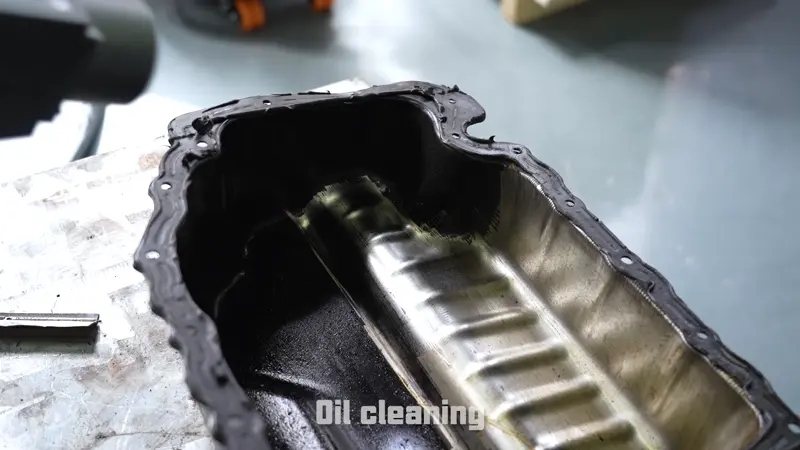
9. Oil, Grease, and Industrial Contamination Removal
Industrial machinery accumulates oils and residues that affect performance.
Laser cleaning offers:
- Dry, chemical-free degreasing
- Fast removal of industrial contaminants
- Reduced maintenance downtime
The Bigger Pattern: Cleaning Becomes a Production Layer
Across all these applications, a pattern emerges:
Traditional cleaning = separate, reactive process
Laser cleaning = integrated, proactive system
It is increasingly embedded into:
- Automated production lines
- Robotic systems
- Smart manufacturing workflows
Final Perspective: The End of “Cleaning” as We Know It
The term “cleaning” is becoming obsolete in industrial contexts.
Laser technology is transforming it into:
A controlled interaction between energy and material, designed to prepare, restore, or optimize surfaces.
This shift matters because:
- It reduces downtime
- Improves product consistency
- Aligns with sustainability goals
- Enables automation at scale
The real takeaway is not that laser cleaning has many applications.
It is that every surface in manufacturing is becoming programmable.
Post time: Apr-15-2026
