
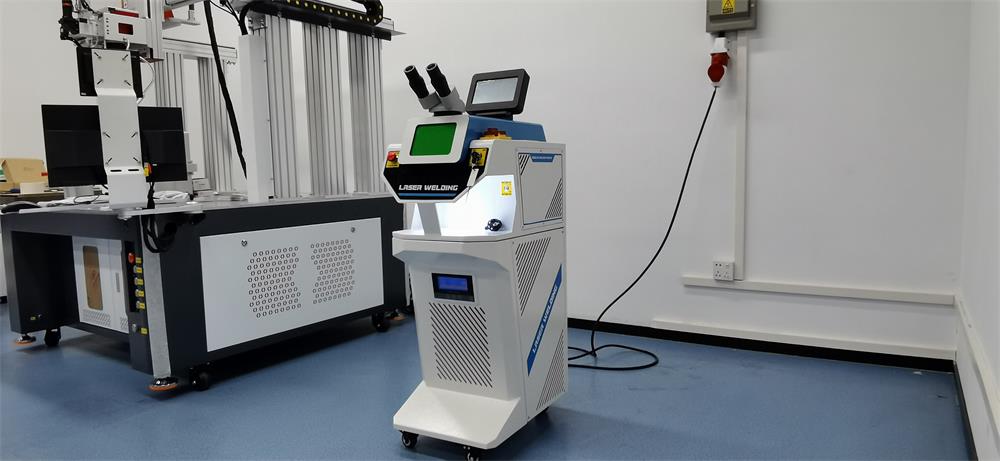
A jewelry laser welding machine is one of the most valuable tools in a modern jewelry workshop. Whether used for gold chain repair, prong rebuilding, ring resizing, or custom jewelry manufacturing, laser welders deliver the precision and efficiency that today’s jewelry industry demands.
However, even the most advanced laser welding equipment requires proper maintenance to ensure stable performance, consistent weld quality, and long service life. Poor maintenance can lead to reduced laser power, unstable welding results, overheating problems, and costly downtime.
By following proper maintenance practices, jewelry workshops can protect their investment, reduce repair costs, and keep production running efficiently.
Why Maintenance Matters for Jewelry Laser Welders
Jewelry laser welders operate with highly precise optical, electrical, and cooling systems. Over time, dust, heat, improper operation, and environmental conditions can affect machine performance.
Regular maintenance helps:
- Extend machine lifespan
- Maintain welding precision
- Prevent unexpected failures
- Improve workplace safety
- Reduce long-term operating costs
For busy jewelry repair businesses, machine downtime can directly impact customer satisfaction and profitability.
1. Keep the Machine Clean
Cleanliness is one of the most important aspects of laser welder maintenance.
Jewelry workshops often contain:
- Metal dust
- Polishing residue
- Smoke particles
- Fine debris
These contaminants can accumulate inside the machine and affect optical components.
Cleaning Tips
- Wipe external surfaces daily
- Keep the work area dust-free
- Avoid placing drinks or chemicals near the machine
- Use clean compressed air carefully when recommended by the manufacturer
A clean environment helps maintain stable machine performance and prevents contamination of sensitive parts.
2. Protect the Optical Components
The optical system is the core of a jewelry laser welding machine.
Components such as:
- Protective lenses
- Mirrors
- Microscope optics
- Laser windows
must remain clean and undamaged for accurate welding.
Best Practices
- Never touch lenses directly with fingers
- Use professional optical cleaning materials
- Inspect optics regularly for dust or burn marks
- Replace damaged protective lenses immediately
Dirty or damaged optics can reduce laser efficiency and negatively affect weld quality.
3. Maintain the Cooling System
Laser welding generates significant heat. A stable cooling system is essential for reliable operation.
Most jewelry laser welders use water cooling systems to regulate temperature.
Cooling System Maintenance
- Check coolant levels regularly
- Use recommended cooling liquid only
- Replace coolant according to manufacturer guidelines
- Inspect hoses for leaks or blockages
- Keep ventilation areas unobstructed
Poor cooling can cause:
- Overheating
- Reduced laser power
- System shutdowns
- Premature component failure
Consistent temperature control greatly improves machine lifespan.
4. Monitor Laser Performance Regularly
Changes in welding quality may indicate maintenance issues.
Warning signs include:
- Inconsistent weld penetration
- Weak laser output
- Irregular sparks
- Increased spatter
- Difficulty focusing
Regular performance checks help identify problems early before they become serious.
Many modern laser welders include diagnostic systems that monitor:
- Temperature
- Laser stability
- Electrical status
- Error codes
Paying attention to these indicators can prevent expensive repairs.
5. Calibrate the Machine Properly
Precision is critical in jewelry laser welding.
Over time, vibration and long-term usage may affect:
- Beam alignment
- Focus position
- Microscope accuracy
Proper calibration ensures:
- Accurate targeting
- Consistent weld quality
- Efficient energy delivery
If calibration problems appear, professional technical support may be necessary.
6. Use Proper Power Supply Protection
Electrical instability can damage sensitive laser components.
Jewelry workshops should protect laser welders from:
- Voltage fluctuations
- Power surges
- Electrical interruptions
Recommended Solutions
- Install voltage stabilizers
- Use surge protection devices
- Ensure proper grounding
- Avoid overloaded electrical circuits
Stable electrical supply improves both safety and machine reliability.
7. Train Operators Correctly
Even high-quality machines can suffer damage from improper operation.
Common operator mistakes include:
- Incorrect parameter settings
- Excessive continuous operation
- Poor cooling management
- Improper cleaning methods
Proper operator training improves:
- Machine safety
- Repair quality
- Equipment lifespan
- Workplace efficiency
Workshops should ensure all operators understand basic maintenance procedures and safe operating practices.
8. Replace Consumable Parts on Time
Some laser welder components naturally wear over time.
Common consumable parts include:
- Protective lenses
- Filters
- Cooling fluids
- Flash lamps (for some YAG systems)
Ignoring worn components may reduce welding performance and damage other machine parts.
Preventive replacement is usually far less expensive than major repairs.
9. Maintain a Stable Working Environment
Environmental conditions affect laser welder reliability.
Ideal workshop conditions include:
- Moderate temperature
- Low humidity
- Clean air
- Minimal vibration
Avoid exposing the machine to:
- Excessive dust
- High moisture
- Direct sunlight
- Extreme temperature changes
A stable environment improves both electronics performance and optical stability.
10. Schedule Professional Maintenance
Even with daily care, professional servicing remains important.
Routine inspections by qualified technicians help:
- Detect hidden problems
- Optimize machine performance
- Update software systems
- Ensure safe operation
Professional maintenance intervals depend on:
- Machine usage frequency
- Laser type
- Working environment
- Manufacturer recommendations
Regular servicing can significantly extend equipment lifespan.
Common Mistakes to Avoid
Many jewelry workshops unintentionally shorten machine lifespan through poor maintenance habits.
Common Errors
- Ignoring cooling system maintenance
- Using incorrect cleaning materials
- Delaying lens replacement
- Operating in dusty environments
- Skipping calibration checks
- Running the machine continuously without rest
Avoiding these mistakes helps maintain stable and efficient operation.
Fiber Laser vs YAG Maintenance Requirements
Maintenance needs vary depending on laser technology.
YAG Laser Welders
Typically require:
- Flash lamp replacement
- More frequent optical maintenance
- Cooling system attention
Fiber Laser Welders
Generally offer:
- Lower maintenance
- Longer service life
- Higher energy efficiency
- Fewer consumable components
As fiber technology becomes more popular, many jewelry workshops appreciate its reduced maintenance requirements.
The Business Value of Proper Maintenance
Maintaining jewelry laser welding equipment is not just a technical issue—it is also a business strategy.
Well-maintained machines help workshops:
- Deliver consistent repair quality
- Reduce downtime
- Improve customer trust
- Lower operating costs
- Increase long-term profitability
In competitive jewelry markets, reliable equipment directly affects business reputation.
Final Thoughts
Jewelry laser welding machines are precision tools that require regular care to operate at their best. Proper cleaning, cooling system management, optical maintenance, calibration, and operator training all play critical roles in maintaining stable performance.
By investing time in preventive maintenance, jewelry workshops can maximize machine lifespan, improve repair quality, and reduce costly interruptions.
As laser welding technology becomes increasingly important in modern jewelry repair and manufacturing, proper equipment maintenance will remain essential for achieving long-term success and professional craftsmanship.
Post time: May-26-2026
