
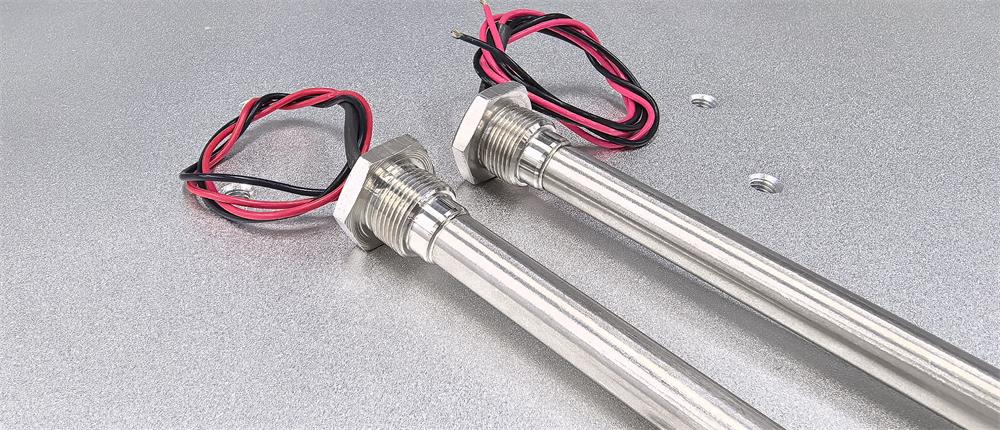
In the fast-paced world of sensor manufacturing, precision and reliability are paramount. Whether it’s for automotive sensors, medical devices, or industrial sensors, the demand for high-quality and durable components is ever-growing. Enter mold laser welding machines – a revolutionary technology that is transforming the way sensors are manufactured and assembled. In this article, we will explore how mold laser welding machines are changing the game in sensor production and why they are becoming an essential tool for manufacturers worldwide.
What Are Mold Laser Welding Machines?
Before diving into their applications, it’s essential to understand what mold laser welding machines are. These machines use high-powered lasers to melt and fuse materials, creating strong, precise welds without the need for traditional mechanical joining methods. They are particularly useful in industries where high precision, minimal thermal distortion, and a clean, fast process are required.
In sensor manufacturing, where the components must meet stringent quality and durability standards, mold laser welding offers several advantages over conventional welding techniques.
Precision and Accuracy: Key to Sensor Performance
Sensors, by their nature, are incredibly sensitive devices. Even the smallest imperfection in their construction can affect their performance, reliability, and longevity. Mold laser welding machines provide unmatched precision, ensuring that components such as housings, pins, or wires are welded with an accuracy of microns. This high level of precision is crucial in sensor assemblies where the functionality depends on tight tolerances.
For instance, in automotive sensors, laser welding ensures that the sensor housing is securely sealed without introducing contaminants or misalignments. This results in sensors that are not only highly accurate but also resistant to environmental factors like vibration, temperature changes, and moisture.
Faster Production Time and Higher Throughput
Another significant advantage of mold laser welding machines in sensor manufacturing is speed. Traditional welding methods, such as ultrasonic welding or manual soldering, can be slow and labor-intensive. In contrast, laser welding is a high-speed process that can quickly join materials, making it ideal for mass production environments.
In industries like automotive and consumer electronics, where large volumes of sensors are needed, the ability to produce sensors quickly and efficiently without sacrificing quality is essential. Laser welding machines help manufacturers reduce cycle times and increase throughput, thus lowering production costs and improving the overall efficiency of the production line.
No Need for Additional Materials: Cleaner and More Sustainable
Traditional welding processes often require fillers, flux, or adhesives, which can lead to contamination or unnecessary waste. Mold laser welding, however, does not require any additional materials. This means cleaner joints, less waste, and a more sustainable production process.
In sensor manufacturing, where the risk of contamination is high due to the sensitive nature of the components, laser welding ensures that the weld is clean and free from debris. This is crucial for maintaining the integrity of the sensor’s functionality and ensuring its long-term performance.
Minimized Thermal Distortion: Preserving Sensor Integrity
Sensors, especially those used in precision applications like medical devices or aerospace, often have delicate components that could be damaged by excessive heat. Traditional welding methods can introduce significant thermal distortion – the heat from the weld can warp or deform sensitive components, compromising the sensor’s accuracy.
Laser welding, however, minimizes thermal distortion because the laser beam is highly focused, applying heat only to the area being welded. This results in minimal heat-affected zones, preventing damage to surrounding components and ensuring that the sensor maintains its integrity.
Applications of Mold Laser Welding Machines in Sensor Manufacturing
Mold laser welding machines are being used in a variety of sensor applications. Here are some examples where they shine:
1. Automotive Sensors
In the automotive industry, sensors play a crucial role in systems like airbag deployment, engine management, and safety sensors. Mold laser welding ensures that these sensors are assembled with high precision and can withstand harsh conditions, including extreme temperatures and vibrations.
For example, laser welding is used to seal the sensor housings, ensuring that they are air-tight and capable of functioning in the challenging environments within a vehicle.
2. Medical Sensors
Medical sensors, such as those used in wearable devices, need to be highly accurate and biocompatible. Laser welding machines are perfect for joining tiny components like sensor chips and housing without introducing impurities or damaging sensitive electronic parts. Moreover, the minimal thermal impact ensures that the components remain intact and fully functional for extended periods.
3. Industrial Sensors
Industrial sensors are used in factories, manufacturing lines, and heavy machinery to monitor conditions like pressure, temperature, and humidity. Laser welding ensures that these sensors are durable and resistant to harsh industrial environments. The precision offered by laser welding machines makes them ideal for creating the intricate parts required for these sensors, ensuring they function reliably over time.
Why Manufacturers Should Invest in Mold Laser Welding Machines
With all these advantages, it’s clear why more and more sensor manufacturers are turning to mold laser welding machines. Here’s why it’s a smart investment:
- Cost Efficiency: Although mold laser welding machines may have a higher initial investment cost, they significantly reduce production costs by improving efficiency and minimizing defects. The reduction in scrap material and faster production cycles make it a cost-effective option in the long run.
- Enhanced Product Quality: The precision, cleanliness, and strength of the welds ensure that sensors are built to last and meet the required standards. This not only improves customer satisfaction but also reduces warranty costs due to fewer defects.
- Sustainability: With minimal waste, no additional materials, and faster production times, mold laser welding is a more sustainable manufacturing process, aligning with the growing emphasis on eco-friendly production.
Breaking the Mold: Embracing Innovation in Sensor Manufacturing
In the competitive world of sensor manufacturing, staying ahead of the curve is essential. Mold laser welding machines are not just a luxury; they are a necessity for companies looking to meet the growing demand for high-precision, reliable, and cost-effective sensors. By embracing this technology, manufacturers can achieve faster production, superior quality, and more sustainable processes – all while meeting the ever-increasing demands of the market.
The future of sensor manufacturing is laser-focused, and those who adopt these cutting-edge technologies will be the ones leading the way. It’s time for the industry to break away from conventional methods and embrace the power of innovation – because the next generation of sensors demands nothing less than perfection.
Post time: Apr-30-2026
