
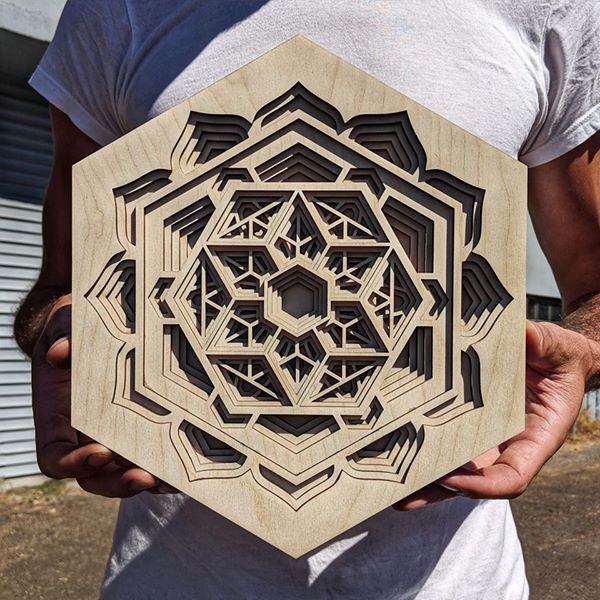
The Hidden Step That Separates Amateur Laser Work from Premium Craftsmanship
Laser engraving on wood has exploded in popularity over the past five years. What was once limited to industrial workshops is now everywhere — Etsy businesses, furniture studios, personalized gift shops, interior decoration brands, and even home-based side hustles.
But there is one uncomfortable truth most beginners discover too late:
Laser engraving is only half the process.
Cleaning the wood afterward determines whether the final product looks premium or cheap.
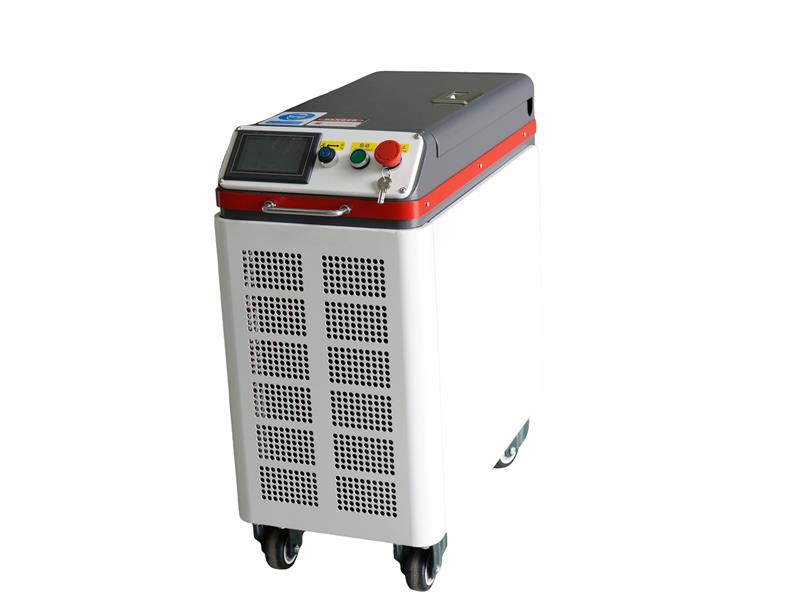
A perfectly engraved design can still look terrible if soot, smoke residue, burn marks, or ash remain trapped on the wood surface. In fact, many experienced laser engraving businesses argue that post-processing quality now matters more than engraving itself because market competition has become so intense.
Today’s buyers no longer pay simply for “custom engraving.”
They pay for finish quality.
And that changes everything.
Why Laser Engraved Wood Gets Dirty
Laser engraving works by burning or vaporizing the wood surface using concentrated thermal energy. During this process, smoke, carbon particles, resin vapor, and microscopic debris are generated continuously.
Much of that contamination settles back onto the wood surface.
The result:
- Smoke stains
- Sticky resin buildup
- Black soot
- Burn marks
- Dust inside engraved grooves
- Uneven surface discoloration
This issue becomes significantly worse with:
- Softwoods
- Resin-heavy woods
- High laser power settings
- Poor air assist systems
- Weak exhaust ventilation
Many beginners wrongly believe dirt after engraving is unavoidable.
It is not.
In reality, heavy residue often signals poor process optimization. Reddit laser engraving communities repeatedly point out that proper airflow, masking, and laser parameter tuning dramatically reduce cleanup requirements.
The Wood Type Changes Everything
Not all woods behave the same under laser engraving.
This is one of the biggest mistakes inexperienced operators make.
Hardwoods like:
- Maple
- Walnut
- Cherry
usually engrave cleaner because of their density and tighter grain structure. Softer woods often contain higher resin or moisture content, creating heavier smoke residue and sticky edges during engraving.
MDF and plywood also behave differently.
MDF typically produces cleaner engraving consistency because of its uniform density. Plywood, however, may contain glue pockets, uneven layers, or voids that create unpredictable burning patterns.
This is why professional engraving shops often select wood specifically for cleanup efficiency — not just appearance.
That’s an industry detail many tutorials ignore.
The Biggest Mistake: Cleaning Too Aggressively
Most beginners panic when they see soot and immediately attack the wood with excessive sanding or heavy scrubbing.
That often destroys the engraving quality.
Over-cleaning can:
- Blur fine details
- Damage grain texture
- Reduce engraving contrast
- Create uneven coloration
- Flatten intricate patterns
Professional workshops understand an important principle:
The goal is not to erase all burn effects.
The goal is controlled contrast.
Some of the best laser-engraved wood products intentionally preserve slight darkening because it enhances visual depth and creates a richer handcrafted appearance.
Trying to make every engraving “perfectly clean” often removes character from the piece.
The Most Effective Ways to Clean Laser Engraved Wood
1. Soft Brush and Air Cleaning
This should always be the first step.
Loose ash and dust should be removed before using any liquid or abrasive method.
Professional shops commonly use:
- Soft brushes
- Compressed air
- Vacuum brush attachments
- Microfiber cloths
Compressed air systems are especially effective because they prevent soot from settling deeply into engraved areas. Multiple Reddit discussions from laser cutting communities highlight that strong air assist dramatically reduces post-processing work.
Ironically, many users spend hours cleaning problems that better airflow could have prevented entirely.
2. Mild Soap and Water
Simple soap and water remain one of the most underrated cleaning methods.
But moderation matters.
Excessive moisture can warp wood, especially thinner materials or unfinished plywood.
A lightly damp microfiber cloth is usually enough for:
- Smoke residue
- Surface ash
- Minor stains
The key is immediate drying afterward.
Professional woodworkers understand moisture is often more dangerous than soot.
3. White Vinegar Cleaning
White vinegar has become increasingly popular because its mild acidity helps break down smoke residue and resin buildup.
Diluted vinegar solutions are particularly effective for:
- Sticky burn residue
- Smoke stains
- Dark surface discoloration
The advantage is that vinegar cleans aggressively without introducing harsh industrial chemicals.
But ventilation matters.
Strong vinegar fumes become unpleasant quickly in enclosed workshops.
4. Light Sanding
Sanding remains one of the most effective finishing techniques — when done correctly.
Fine-grit sanding can:
- Remove smoke haze
- Smooth rough engraving edges
- Improve tactile finish
- Enhance wood grain visibility
However, aggressive sanding destroys engraving depth.
This is why experienced shops often use:
- Ultra-fine sandpaper
- Orbital sanders
- Precision hand sanding
instead of heavy abrasive methods.
Some professional makers even sand before engraving to create smoother burn consistency afterward.
That reverses the traditional workflow entirely.
Prevention Is More Important Than Cleaning
This is the real industry secret.
The best laser engraving businesses focus more on preventing residue than removing it afterward.
Use Masking Tape
Masking tape dramatically reduces smoke staining on wood surfaces.
The tape absorbs much of the residue during engraving and can simply be peeled away afterward.
For detailed engraving projects, this method can save enormous cleanup time.
Optimize Laser Settings
Overpowered engraving creates excessive charring.
Professional operators constantly balance:
- Power
- Speed
- Frequency
- Focus distance
- Air assist pressure
Many beginners wrongly believe darker engraving equals better engraving.
In reality, excessive burning usually signals poor parameter control.
Several experienced laser users on Reddit emphasize that reducing power while increasing speed often produces cleaner results with less cleanup time.
That advice sounds counterintuitive — but it works.
Air Assist Is More Important Than Most Machines
Here is the uncomfortable truth many equipment sellers rarely explain:
A strong air assist system often improves engraving cleanliness more than upgrading the laser itself.
High-pressure airflow:
- Pushes smoke away
- Reduces flashback burns
- Minimizes soot buildup
- Improves edge quality
Many experienced users eventually invest more into airflow optimization than into higher laser power.
That says a lot about where real engraving quality comes from.
Sealing Wood After Cleaning
Cleaning is not the final step.
Sealing protects the engraving from:
- Moisture
- Dirt
- UV exposure
- Finger oils
- Surface wear
Common finishes include:
- Shellac
- Mineral oil
- Polyurethane
- Wax finishes
- Water-based sealers
Some advanced makers even seal wood before engraving to reduce soot absorption during the engraving process itself. Reddit discussions increasingly show professionals experimenting with pre-coating workflows to improve consistency.
This is where laser engraving is evolving:
from simple burning technology into controlled surface engineering.
The Future of Laser Wood Engraving
The laser engraving market is changing rapidly.
Cheap machines are everywhere now.
What separates businesses is no longer engraving capability.
It is finishing quality.
Customers increasingly expect:
- Cleaner surfaces
- Sharper contrast
- Better texture preservation
- Premium presentation
- Furniture-grade finishing
The future winners in laser engraving will not necessarily be the shops with the strongest lasers.
They will be the ones that understand process control, airflow engineering, finishing science, and material behavior better than everyone else.
Because in modern laser engraving, the engraving itself is no longer the hardest part.
Post time: May-09-2026
