
Fine jewelry chains are among the most delicate pieces to repair. Their links are small, thin, and closely connected, so excessive heat can easily affect surrounding metal or decorative details. For jewelers, the challenge is not simply reconnecting a broken link—it is restoring the chain while preserving its original appearance and flexibility.
A 200W jewelry laser welder provides a precise solution for many fine chain repair applications. By concentrating laser energy on a small area, it allows the jeweler to repair localized breaks with better heat control than many conventional torch-based methods.
Why Are Fine Jewelry Chains Difficult to Repair?
A fine chain may contain dozens or hundreds of small links. When one link breaks, the surrounding links can be only fractions of a millimeter away from the repair area.
Traditional torch soldering can introduce heat to a relatively large area. This may create several problems:
-
Nearby links can become overheated
-
Thin metal may deform
-
Solder can flow into unwanted areas
-
The repaired section may become visible
-
Delicate finishes can be affected
-
Additional cleanup may be required
For valuable gold, platinum, or silver chains, minimizing unnecessary heat is particularly important.
This is where laser welding can provide an advantage.
How Does a 200W Laser Welder Repair a Jewelry Chain?
The repair process starts with precise positioning.
The jeweler first identifies the broken section and aligns the two pieces of metal under magnification. Once the link is correctly positioned, the laser is focused on the joint.
Instead of heating the entire surrounding area, the laser delivers controlled energy directly to the repair point. Small amounts of compatible filler metal can then be added when necessary.
The jeweler gradually builds the joint until sufficient material has been restored.
This controlled approach is particularly useful for small jewelry components where conventional welding or soldering can be difficult to manage.
Step-by-Step Fine Chain Laser Repair
1. Inspect the Broken Link
Before welding, inspect the chain under a microscope or magnifying system.
Check:
-
The location of the break
-
Metal thickness
-
Existing solder
-
Signs of previous repairs
-
The condition of neighboring links
-
Whether the link has been stretched or deformed
A clean break is generally easier to repair than a severely worn or distorted link.
2. Clean the Repair Area
The joint should be free from dirt, oil, polishing compound, and other contamination.
Cleaning is important because surface contamination can interfere with the welding process and affect the appearance of the finished repair.
3. Align the Chain Link
The broken sections must be positioned accurately before applying the laser.
For a fine chain, even a small alignment error can make the repaired link look different from the surrounding links.
The goal is to restore not only the connection but also the original geometry of the chain.
4. Apply Controlled Laser Pulses
The jeweler then uses the 200W laser welder to fuse the metal at the damaged location.
The appropriate settings depend on:
-
Jewelry metal
-
Alloy composition
-
Link thickness
-
Joint design
-
Required penetration
-
Filler wire diameter
The operator can apply multiple controlled pulses rather than attempting to complete the repair with excessive energy in a single pass.
5. Add Filler Metal if Required
If material has been lost from the broken link, a small amount of matching filler wire can be used.
This is particularly useful when repairing worn chain links where simply closing the crack would leave the section structurally weak.
The filler should be compatible with the original jewelry metal and selected to achieve both strength and an acceptable visual match.
6. Finish the Repair
After welding, the joint can be carefully filed, polished, or otherwise finished.
For fine jewelry chains, finishing should be minimal and controlled. Excessive grinding or polishing can reduce the thickness of the repaired link and potentially weaken it.
The final goal is a smooth connection that blends naturally with the surrounding chain.
Why Use a 200W Laser Welder for Fine Jewelry?
A 200W laser welder can offer a useful balance between precision and practical welding capability for jewelry workshops.
Its advantages can include:
Precise Heat Input
Laser energy can be concentrated on a small repair area, helping reduce unnecessary heating of adjacent links.
Better Access to Small Repair Areas
A microscope-guided laser system allows the jeweler to target very small joints that can be difficult to reach accurately with a torch.
Controlled Filler Deposition
Small-diameter filler wire can be added gradually to rebuild worn or damaged sections.
Suitable for Delicate Jewelry
Fine chains, small links, thin components, and intricate jewelry can benefit from localized welding when appropriate parameters are used.
Reduced Post-Repair Work
Because the repair can be highly localized, there may be less excess solder or heat-affected material to clean up compared with some conventional repair methods.
Can a 200W Laser Welder Repair Gold Chains?
Yes. A 200W jewelry laser welder can be used for many gold chain repair applications.
Common examples include:
-
14K gold chains
-
18K gold chains
-
Fine gold necklaces
-
Gold bracelets
-
Broken jump rings
-
Chain clasp connections
-
Worn chain links
However, laser parameters should always be adjusted according to the specific alloy and thickness.
Different gold alloys can behave differently during welding, so using the same settings for every chain is not recommended.
Can It Repair Silver or Platinum Chains?
Laser welding is also used for other precious metals, including silver and platinum.
Silver can require careful parameter control because of its thermal and optical characteristics. Platinum has different melting and welding behavior and may require a different parameter setup.
For this reason, experienced operators normally establish suitable settings through testing and adjust them according to the material being repaired.
Laser Welding vs. Soldering a Fine Jewelry Chain
Both techniques remain useful in jewelry repair.
| Feature | 200W Laser Welding | Traditional Soldering |
|---|---|---|
| Heat concentration | Highly localized | Broader |
| Fine chain repair | Excellent for many localized repairs | Commonly used |
| Small repair area | Very precise | Depends on operator |
| Filler material | Fine welding wire | Solder |
| Heat-affected area | Can be minimized | Generally larger |
| Intricate jewelry | Well suited | Requires careful heat control |
| Rebuilding missing metal | Possible | Possible |
| Operator skill | Requires laser welding expertise | Requires soldering expertise |
The important consideration is not whether laser welding completely replaces soldering. Rather, a jewelry laser welder gives repair professionals an additional precision tool for jobs where localized heat and accurate metal control are important.
Common Fine Chain Repairs Using a Jewelry Laser Welder
A 200W laser welder can be used for more than a simple broken link.
Broken Chain Links
The most obvious application is reconnecting a broken link while maintaining its original shape.
Worn Links
Repeated movement can gradually thin chain links. Laser welding can be used to add compatible metal and reinforce a worn section.
Broken Clasps
Small clasp components can often be repaired or rebuilt using controlled laser welding.
Jump Ring Repair
Small jump rings can be welded at their opening to create a stronger permanent connection.
Chain-to-Clasp Connections
The connection between a chain and clasp can experience significant repeated stress. Localized laser welding can reinforce these attachment points.
How to Avoid Weak Jewelry Chain Repairs
A visually attractive weld is not necessarily a strong repair.
The operator should pay attention to the condition of the surrounding metal. If the chain link has become extremely thin from years of wear, simply welding the original pieces together may not provide sufficient strength.
In such cases, adding compatible filler metal can help restore the missing material.
The repaired section should also be inspected for:
-
Cracks
-
Porosity
-
Incomplete fusion
-
Excessive material buildup
-
Misalignment
-
Sharp edges
The chain should move naturally after finishing. A rigid or visibly enlarged link may indicate that too much material was added.
Is 200W Enough for Fine Jewelry Chain Repair?
For many fine jewelry repair applications, a 200W laser welding machine can provide sufficient power while maintaining the fine control required for small components.
However, laser power alone does not determine repair quality.
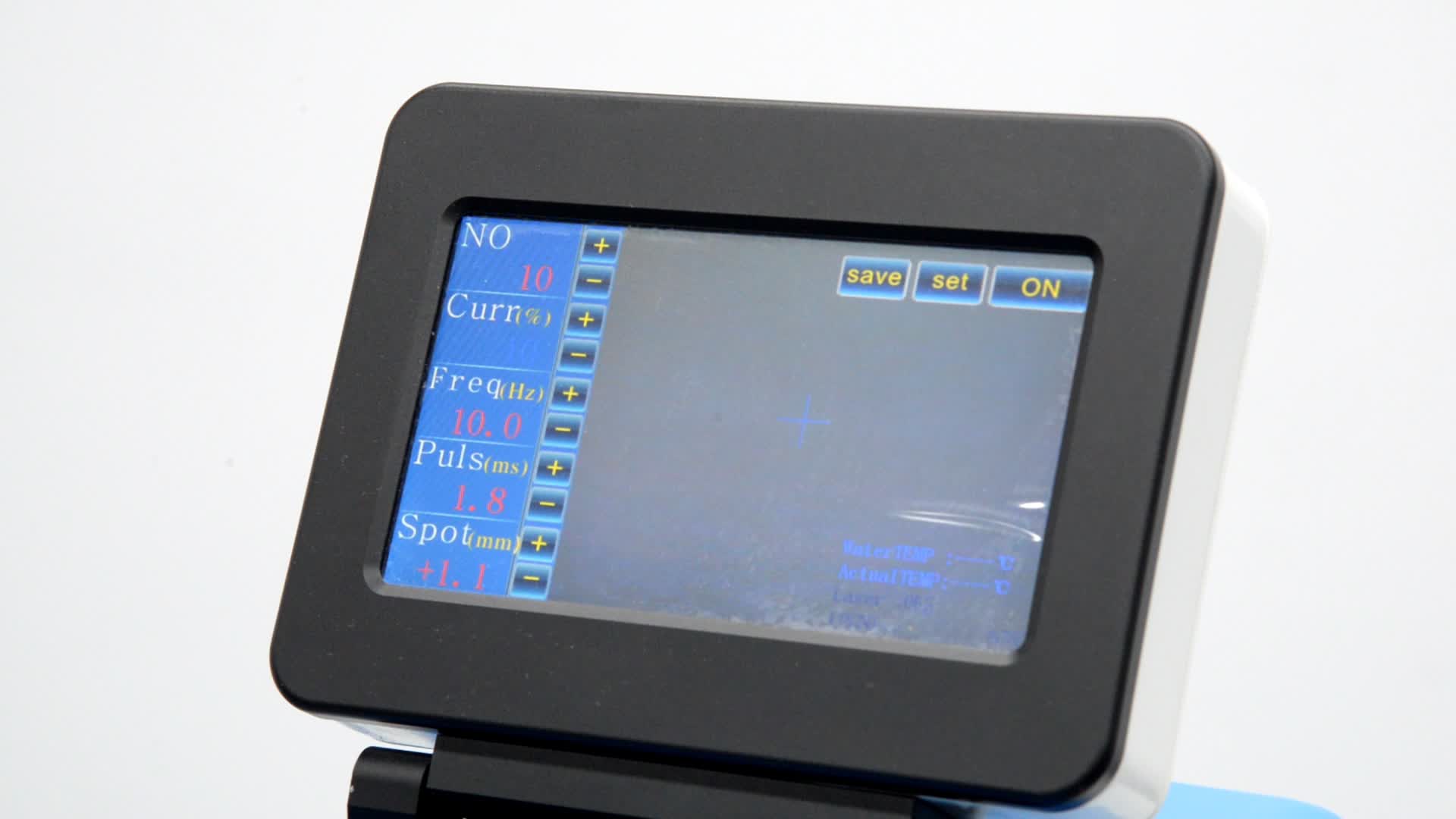
Pulse energy, pulse duration, spot size, frequency, focal position, filler wire, alloy composition, and operator technique all affect the result.
For extremely delicate chains, the ability to precisely control the laser parameters can be more important than simply choosing a higher-power machine.
Frequently Asked Questions
Can a 200W laser welder repair a thin gold chain?
Yes. A 200W jewelry laser welder can be used for many thin gold chain repairs when the laser parameters are properly matched to the chain’s alloy and thickness.
Is laser welding better than soldering for jewelry chains?
Laser welding can be advantageous for localized repairs because the energy can be concentrated in a small area. However, soldering remains an effective technique for many chain repairs.
Can laser welding repair a chain without damaging nearby links?
When performed correctly, localized laser welding can significantly limit heat exposure around the repair area. The actual result depends on the material, machine settings, and operator skill.
Can a laser welder add metal to a worn chain link?
Yes. Compatible filler wire can be used to rebuild missing material and reinforce worn sections.
What power laser is suitable for jewelry chain repair?
The appropriate power depends on the jewelry and the repair requirements. A 200W pulsed laser welder is a practical option for many fine jewelry repair applications, provided it offers sufficiently precise pulse and spot-size control.
Conclusion
Repairing a fine jewelry chain requires precision, patience, and careful heat management. A 200W laser welder for jewelry repair gives jewelers the ability to concentrate welding energy on small damaged areas while gradually rebuilding metal when necessary.
For broken gold chains, worn links, jump rings, clasps, and delicate chain connections, laser welding can provide a precise alternative or complement to traditional soldering.
The machine itself is only part of the equation. The best results come from combining accurate inspection, correct laser parameters, compatible filler metal, microscopic positioning, and experienced jewelry repair techniques.
For jewelry workshops handling fine chains and other delicate precious-metal pieces, a 200W jewelry laser welder can therefore be a valuable addition to the repair bench.
Post time: Aug-26-2026
