
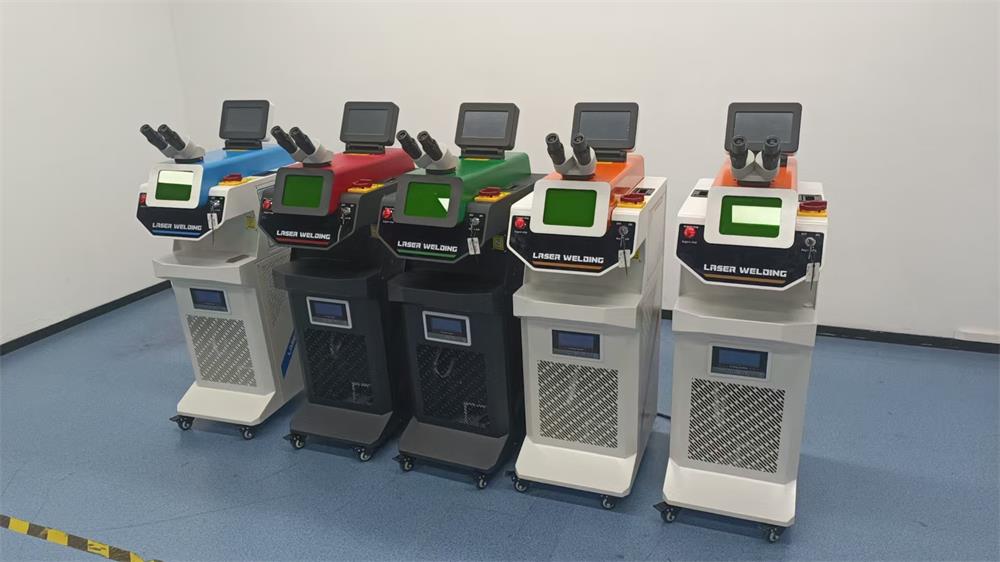
In today’s highly competitive jewelry industry, manufacturers and repair workshops face constant pressure to improve quality while controlling operational expenses. Rising labor costs, expensive precious metals, increasing customer expectations, and faster delivery demands are forcing jewelry businesses to rethink traditional production methods.
One technology that is helping workshops significantly improve efficiency and reduce expenses is the jewelry laser welding machine. Once considered a luxury tool reserved for large manufacturers, laser welding has now become an increasingly practical investment for small and medium-sized jewelry businesses.
By improving precision, minimizing material waste, reducing labor intensity, and accelerating production speed, jewelry laser welding technology is helping businesses lower production costs while maintaining premium craftsmanship.
Why Production Costs Matter in the Jewelry Industry
Jewelry manufacturing involves expensive materials and labor-intensive processes.
Production costs typically include:
- Precious metal consumption
- Skilled labor
- Repair rework
- Equipment maintenance
- Polishing and finishing
- Stone setting risks
- Production downtime
Even small inefficiencies can greatly affect profitability, especially when working with gold, platinum, and luxury custom jewelry.
Modern workshops need solutions that improve both productivity and precision.
What Is Jewelry Laser Welding?
Jewelry laser welding uses a focused laser beam to fuse metal precisely at a targeted point.
Unlike traditional torch soldering, laser welding:
- Minimizes heat spread
- Reduces oxidation
- Creates cleaner seams
- Allows micro-level precision
- Protects surrounding materials
Modern laser welders are widely used for:
- Gold chain repair
- Ring resizing
- Prong rebuilding
- Custom jewelry assembly
- Porosity filling
- Fine jewelry manufacturing
The technology is especially valuable for high-precision and luxury jewelry production.
1. Reducing Precious Metal Waste
One of the largest costs in jewelry production is raw material consumption.
Traditional soldering often wastes material through:
- Excess solder usage
- Overheating
- Grinding loss
- Rework damage
Laser welding greatly reduces these issues.
Because the laser targets only a tiny area:
- Less filler material is needed
- Welds are more accurate
- Excess polishing is minimized
- Metal removal decreases
This is especially important when working with:
- Gold
- Platinum
- Palladium
- High-value custom alloys
Over time, reducing material waste can generate substantial savings for jewelry businesses.
2. Lower Labor Costs
Traditional jewelry repair and assembly often require multiple time-consuming steps:
- Stone removal
- Surface preparation
- Torch soldering
- Cleaning
- Pickling
- Re-polishing
- Stone resetting
Laser welding simplifies many of these procedures.
Benefits include:
- Faster repairs
- Less finishing work
- Reduced polishing time
- Fewer assembly steps
As a result, jewelers can complete more work in less time.
Higher productivity means:
- Reduced labor costs per piece
- Increased daily production capacity
- Improved profitability
3. Reducing Rework and Repair Failures
Repair mistakes are expensive in jewelry production.
Traditional soldering may cause:
- Heat damage
- Stone cracking
- Metal distortion
- Weak joints
- Surface discoloration
Laser welding provides much greater precision and heat control.
This significantly lowers the risk of:
- Customer returns
- Production defects
- Warranty repairs
- Scrap losses
Reducing rework improves both efficiency and customer satisfaction.
4. Faster Production Workflow
Production speed directly impacts manufacturing profitability.
Jewelry laser welding improves workflow by:
- Reducing setup time
- Eliminating unnecessary heating steps
- Minimizing cleanup requirements
- Accelerating repairs
Many jobs that previously required lengthy preparation can now be completed much faster.
This is particularly beneficial for:
- High-volume repair shops
- Custom jewelry studios
- Luxury jewelry manufacturers
Faster workflow allows businesses to handle more orders without increasing staffing levels.
5. Minimizing Gemstone Handling Risks
Traditional soldering often requires gemstone removal before repair because excessive heat may damage stones.
Stone removal increases:
- Labor time
- Resetting costs
- Risk of accidental damage
Laser welding minimizes heat transfer, allowing many repairs to be completed with stones still in place.
This reduces:
- Repair complexity
- Labor expenses
- Gemstone handling risks
For high-value jewelry, this advantage is extremely important.
6. Lower Consumable Costs
Traditional repair methods depend heavily on consumables such as:
- Solder materials
- Gas fuel
- Flux
- Polishing compounds
- Abrasive tools
Laser welding systems use fewer consumables overall.
Although electricity and maintenance are still required, long-term operating costs are often lower.
Modern fiber laser systems especially offer:
- High energy efficiency
- Long service life
- Minimal consumable replacement
This contributes to reduced long-term operational expenses.
7. Improving Precision for Luxury Jewelry
Luxury jewelry customers demand:
- Invisible repairs
- Seamless finishes
- Fine detail preservation
Poor-quality repairs can damage brand reputation and increase remake costs.
Laser welding produces:
- Cleaner seams
- Minimal oxidation
- Better structural strength
- Precision micro welding
This improves overall product quality while reducing costly refinishing work.
8. Supporting Small Workshop Growth
Compact desktop laser welders have made advanced technology accessible to smaller jewelry businesses.
Small workshops can now:
- Offer premium repair services
- Compete with larger companies
- Increase service capabilities
- Expand into custom manufacturing
Improved efficiency helps small businesses grow without dramatically increasing operating costs.
9. Reduced Downtime and Maintenance
Modern jewelry laser welders are designed for stable long-term operation.
Compared with older traditional equipment, many modern systems offer:
- Intelligent cooling
- Stable power output
- Lower maintenance requirements
- Longer component lifespan
Fiber laser systems especially reduce downtime due to:
- Fewer consumable parts
- Higher energy efficiency
- More reliable operation
Consistent machine performance improves production planning and operational stability.
10. Increasing Long-Term Profitability
Although laser welding machines require an initial investment, the long-term financial benefits are often significant.
Savings accumulate through:
- Reduced labor
- Lower material waste
- Faster production
- Fewer repair failures
- Improved customer retention
Many jewelry workshops recover their investment through increased productivity and expanded service capabilities.
Over time, laser welding becomes not only a production tool but also a competitive business advantage.
Industry Trends Driving Laser Welding Adoption
Several market trends are accelerating the adoption of jewelry laser welding technology:
- Rising precious metal prices
- Increased labor costs
- Demand for custom jewelry
- Growth of luxury repair services
- Higher customer quality expectations
As competition intensifies, workshops that improve efficiency gain stronger market positioning.
Fiber Laser vs Traditional YAG Systems
Modern jewelry workshops increasingly compare:
- Traditional YAG laser welders
- Fiber laser welding systems
Fiber Laser Advantages
- Lower energy consumption
- Reduced maintenance
- Longer lifespan
- Faster operation
YAG Laser Advantages
- Proven jewelry repair reliability
- Excellent precision
- Familiar technology for many jewelers
Both technologies can reduce production costs when properly integrated into workflow systems.
Final Thoughts
Jewelry laser welding technology is transforming the economics of modern jewelry production. By reducing precious metal waste, lowering labor costs, minimizing repair failures, and improving workflow efficiency, laser welders help businesses produce higher-quality jewelry at lower operational cost.
For both small workshops and large manufacturers, investing in jewelry laser welding equipment is increasingly becoming a strategic decision for long-term profitability and competitiveness.
As the jewelry industry continues evolving toward precision craftsmanship and customized luxury products, laser welding will remain one of the most effective technologies for reducing production costs while improving overall quality and efficiency.
Post time: May-27-2026
