
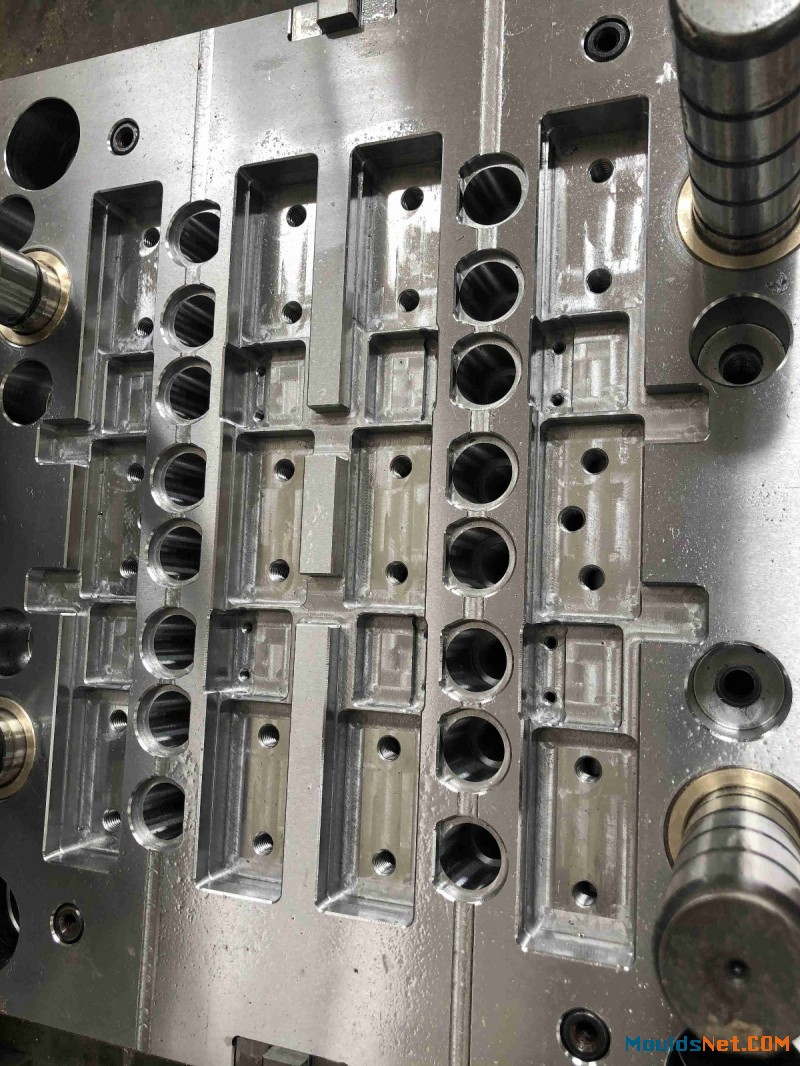
In modern mold maintenance, laser welding has become a cornerstone technology for precision repair, particularly in industries such as electronics, automotive, and tooling. Among laser welding technologies, pulse lasers and fiber lasers are two of the most widely used systems. While both can repair molds efficiently, their operational principles, performance characteristics, and ideal applications differ significantly. Understanding these differences is critical for manufacturers seeking to optimize mold repair quality, speed, and cost.
Operational Principles
Pulse Laser Welding Machines generate high-energy laser pulses of very short duration, typically in the millisecond or microsecond range. These pulses deliver concentrated bursts of energy, allowing the material to melt and fuse locally without significant heat diffusion. The intermittent energy output minimizes the heat-affected zone, making pulse lasers ideal for fine, delicate mold repairs.
Fiber Laser Welding Machines, in contrast, use a continuous or quasi-continuous laser beam delivered through an optical fiber. Fiber lasers maintain a high average power over extended periods, allowing them to weld larger areas or thicker sections of mold material efficiently. The continuous nature of the beam provides consistent penetration and smooth surface fusion, which is especially suitable for heavy-duty mold repairs and high-volume production environments.
Precision vs. Power
Pulse lasers excel in precision welding. Their short bursts of energy allow operators to repair micro-cracks, fine cavities, or detailed mold patterns without deforming surrounding material. For electronics molds or micro-injection tooling, this precision is critical, as even slight distortions can affect component quality. Studies show that pulse laser welding can reduce thermal distortion by up to 90% compared to conventional welding, preserving mold dimensions and surface integrity.
Fiber lasers, on the other hand, are designed for high-power applications. They can repair thicker mold plates, deep cracks, or heavily worn areas faster than pulse lasers. While fiber lasers may introduce slightly larger heat-affected zones, modern systems with adjustable power settings and scanning control still maintain sufficient precision for most mold repair tasks. In manufacturing environments with larger molds or higher throughput requirements, fiber lasers are often the preferred solution.
Efficiency and Speed
Efficiency is a critical consideration in mold repair, where downtime can directly impact production costs. Fiber laser machines typically offer faster welding speeds, especially for extensive repairs, due to their continuous energy delivery and higher average power. In contrast, pulse laser machines are slower for large areas but excel when precise, controlled deposition is required. For intricate electronics molds, the slower pace of pulse welding ensures meticulous repair with minimal risk of micro-deformation.
Material Compatibility
Both pulse and fiber lasers are compatible with a wide range of mold materials, including stainless steel, tool steel, and copper alloys. However, the choice of laser type often depends on the hardness and thickness of the material. Pulse lasers are particularly effective for high-hardness, thin, or delicate molds where localized energy is essential. Fiber lasers are better suited for thick, heavily stressed molds, where consistent penetration and strong weld strength are priorities.
Maintenance and Cost Considerations
Pulse laser machines are often more specialized and may involve higher upfront costs due to their advanced pulse control systems. Their consumables and optical components require careful maintenance to sustain precision. Fiber lasers, by contrast, have fewer moving parts, are easier to maintain, and generally offer lower long-term operational costs. Their modular design allows easy integration with automated mold handling and vision systems, which further enhances efficiency.
Application Scenarios
- Pulse Laser Welding Machines: Ideal for electronics mold repair, micro-injection molds, and precision tooling where high accuracy and minimal thermal distortion are essential. They are especially suited for repairing fine cracks, small cavities, or delicate mold features.
- Fiber Laser Welding Machines: Suitable for automotive molds, large industrial tooling, and high-volume repair environments. They are preferred when speed, power, and penetration depth are critical, such as in thick steel molds or heavily worn components.
Integration with Automation and Industry 4.0
Modern mold repair workflows increasingly involve automated scanning, vision systems, and robotic handling. Fiber lasers, due to their continuous operation and higher power, integrate easily into automated production lines, allowing real-time defect detection and repair. Pulse lasers can also be automated but require precise programming and careful calibration for intricate repair tasks. Combining laser welding with Industry 4.0 technologies allows manufacturers to implement predictive maintenance, reduce human error, and optimize mold lifecycle management.
Conclusion
Pulse and fiber laser welding machines each bring distinct advantages to mold repair. Pulse lasers provide unmatched precision for delicate or micro-scale mold repairs, minimizing thermal distortion and preserving fine details. Fiber lasers offer high power, speed, and adaptability for larger molds, thicker materials, and high-throughput environments. Selecting the right system depends on mold complexity, material characteristics, repair volume, and production efficiency goals.
By understanding the key differences between pulse and fiber laser welding machines, manufacturers can optimize mold repair processes, reduce downtime, extend mold lifespan, and maintain consistent product quality. For industries where precision and reliability are paramount, integrating the appropriate laser technology is a strategic investment that directly impacts operational efficiency and profitability.
Post time: May-07-2026
