
Choosing between a MOPA fiber laser and a standard fiber laser marking machine can significantly affect marking quality, production flexibility, and the range of metal applications a manufacturer can handle. Although both technologies use a 1064 nm fiber laser source, they differ in pulse control, marking characteristics, and their ability to produce specialized surface effects. For manufacturers comparing different configurations, Dowin Laser’s marking machine collection provides a starting point for evaluating fiber laser marking solutions for industrial applications.
1. What Is a Standard Fiber Laser Marking Machine?
A standard fiber laser marking machine generally uses a Q-switched fiber laser source. It generates laser pulses with relatively fixed pulse characteristics, although frequency and other operating parameters can be adjusted within the source’s available range.
The laser beam is directed through a galvanometer scanning system and focused onto the metal surface. The concentrated energy changes the surface through localized heating, oxidation, or material removal, depending on the material and processing parameters.
Standard fiber laser marking machines are widely used for:
-
Stainless steel nameplates and identification plates
-
Aluminum components and industrial parts
-
Carbon steel tools and hardware
-
Metal product serial numbers and QR codes
-
Electronic components and automotive parts
-
Logos, text, and production traceability information
For most conventional metal marking applications, standard fiber laser technology offers a practical combination of processing speed, reliability, and operating simplicity.
2. What Is a MOPA Fiber Laser Marking Machine?
MOPA stands for Master Oscillator Power Amplifier. It is a fiber laser architecture that uses a master oscillator to generate the seed pulses and a power amplifier to increase their energy.
Its main distinguishing feature is the ability to adjust pulse duration over a defined range, depending on the laser source model.
Compared with a conventional Q-switched fiber laser, a MOPA source provides greater flexibility in controlling how laser energy interacts with the material surface.
This makes it particularly useful for applications requiring:
-
Black marking on anodized aluminum
-
Color marking on stainless steel
-
Fine marking on sensitive electronic components
-
Controlled surface texturing
-
Specialized marking effects on selected metal surfaces
MOPA technology does not automatically produce better results in every application. Its advantage is greater control over the marking process when the application benefits from adjustable pulse duration.
3. MOPA vs Standard Fiber Laser: Key Differences
The main difference is not the laser wavelength or the basic marking principle. Both typically operate at approximately 1064 nm. The important distinction is how the laser generates and controls its pulses.
|
Comparison |
Standard Fiber Laser |
MOPA Fiber Laser |
|---|---|---|
|
Laser technology |
Q-switched |
Master Oscillator Power Amplifier |
|
Wavelength |
Approximately 1064 nm |
Approximately 1064 nm |
|
Pulse duration |
Generally fixed or less adjustable |
Adjustable |
|
Frequency range |
Relatively limited |
Generally wider |
|
Pulse control |
More limited |
More flexible |
|
Stainless steel color marking |
Limited and less flexible |
Suitable |
|
Black marking on anodized aluminum |
Limited process flexibility |
Better process control |
|
Conventional metal marking |
Excellent |
Excellent |
|
Deep metal engraving |
Suitable |
Suitable |
|
Fine surface marking |
Good |
Greater parameter flexibility |
|
Equipment cost |
Generally lower |
Generally higher |
Actual pulse duration and frequency ranges depend on the specific laser source model. Not every MOPA source offers the same adjustment range.
Why Does Pulse Duration Matter?
Pulse duration refers to how long each laser pulse lasts. It directly affects the way laser energy interacts with the metal surface.
A standard Q-switched fiber laser operates with a relatively fixed pulse duration. Although operators can adjust frequency and power, their ability to independently control the pulse characteristics is limited.
A MOPA laser allows operators to adjust pulse duration over a wider range.
This flexibility helps manufacturers control heat input, surface oxidation, and material removal more precisely.
For example:
-
Shorter pulses can help reduce unwanted heat accumulation in certain applications.
-
Longer pulses can provide different material interaction characteristics.
-
Frequency adjustments change the energy delivered by each pulse.
-
Different combinations of pulse duration and frequency can produce different surface finishes.
This is why MOPA technology is particularly valuable for specialized metal marking applications.
4. What Is the Difference in Actual Marking Results?
The technical differences become more apparent when comparing the results on specific metal materials.
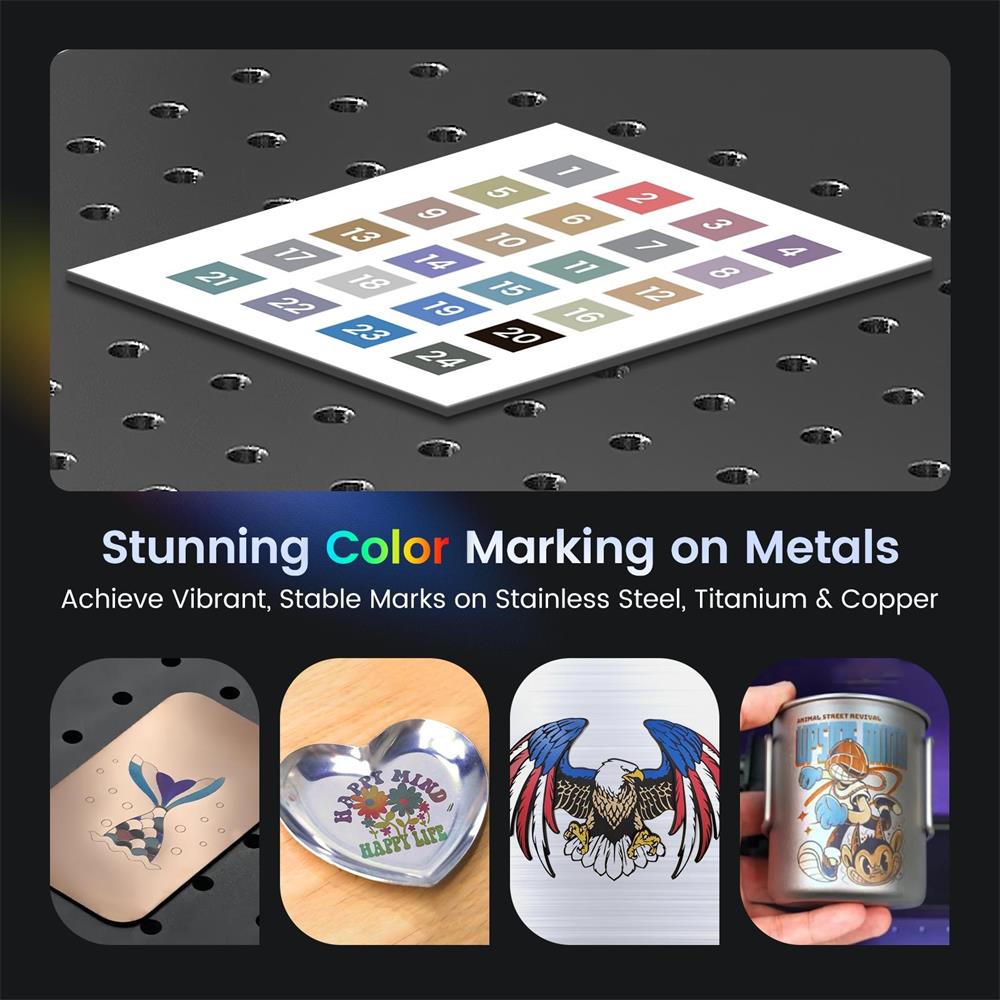
Color Marking on Stainless Steel
This is one of the most recognizable applications of MOPA fiber laser technology.
Color marking is achieved by controlling the formation of a thin oxide layer on the stainless steel surface. Different oxide thicknesses and surface conditions can produce different colors.
Depending on the material and processing parameters, possible colors include:
-
Gold
-
Blue
-
Purple
-
Green
-
Red
-
Various shades of gray
MOPA provides more flexibility in adjusting pulse characteristics, making it better suited to developing different color effects.
A standard Q-switched fiber laser may produce some thermal discoloration on stainless steel, but achieving a broad range of controlled and repeatable colors is much more difficult.
It is important to understand that laser color marking is not equivalent to printing. The achievable colors depend on the stainless steel grade, surface finish, laser parameters, and environmental conditions.
Black Marking on Anodized Aluminum
Anodized aluminum is widely used in electronics, automotive components, nameplates, and industrial equipment.
MOPA lasers offer greater flexibility in producing dark, high-contrast marks on suitable anodized aluminum surfaces without simply removing the anodized layer.
This is useful when manufacturers want to preserve the protective anodized coating while creating clear identification marks.
Standard fiber lasers can also mark anodized aluminum, particularly by removing the surface coating to expose the underlying aluminum. However, producing certain dark marking effects without substantial coating removal is more challenging.
Deep Engraving on Metal
Both technologies can perform metal engraving.
For conventional deep engraving on stainless steel, aluminum, brass, and other metals, a standard fiber laser is often sufficient.
MOPA can also perform deep engraving, but its advantage is not automatically greater engraving depth or speed.
The actual result depends on:
-
Average laser power
-
Pulse energy
-
Peak power
-
Pulse duration
-
Marking frequency
-
Scanning speed
-
Number of passes
For manufacturers primarily producing deep engraved metal parts, a suitable standard fiber laser may provide better value.
Fine Marking on Sensitive Components
MOPA technology offers additional control when marking thin metal components, electronic parts, and products with sensitive surface finishes.
By adjusting pulse duration and frequency, operators can develop processing parameters that limit unwanted thermal effects.
However, a MOPA source does not guarantee damage-free marking. Material thickness, surface coatings, fixture design, and actual laser settings still matter.
5. Which Materials Are Suitable for MOPA and Standard Fiber Lasers?
Both technologies can process many of the same metal materials. The difference is mainly in the marking effects and process flexibility they can achieve.
|
Material |
Standard Fiber |
MOPA Fiber |
|---|---|---|
|
Stainless steel |
Excellent |
Excellent |
|
Aluminum |
Excellent |
Excellent |
|
Anodized aluminum |
Excellent for coating removal |
Better control of dark marking |
|
Carbon steel |
Excellent |
Excellent |
|
Brass |
Excellent |
Excellent |
|
Copper |
Suitable |
Suitable |
|
Titanium |
Suitable |
Greater color-marking flexibility |
|
Gold |
Suitable |
Suitable |
|
Silver |
Suitable |
Suitable |
|
Nickel alloys |
Suitable |
Suitable |
For ordinary logos, serial numbers, and identification marks, both technologies are suitable for many metal materials.
For color marking, specialized black marking, or applications requiring precise control of surface heating, MOPA is generally the more flexible choice.
6. MOPA vs Standard Fiber Laser for Different Industries
The right technology depends on the actual production requirements.
Electronics Manufacturing
Electronics manufacturers frequently mark aluminum housings, stainless steel components, connectors, and product identification plates.
MOPA is useful when fine details, dark marks on anodized aluminum, or controlled surface effects are required.
Standard fiber lasers remain a practical choice for ordinary serial numbers, barcodes, and product identification.
Jewelry Manufacturing
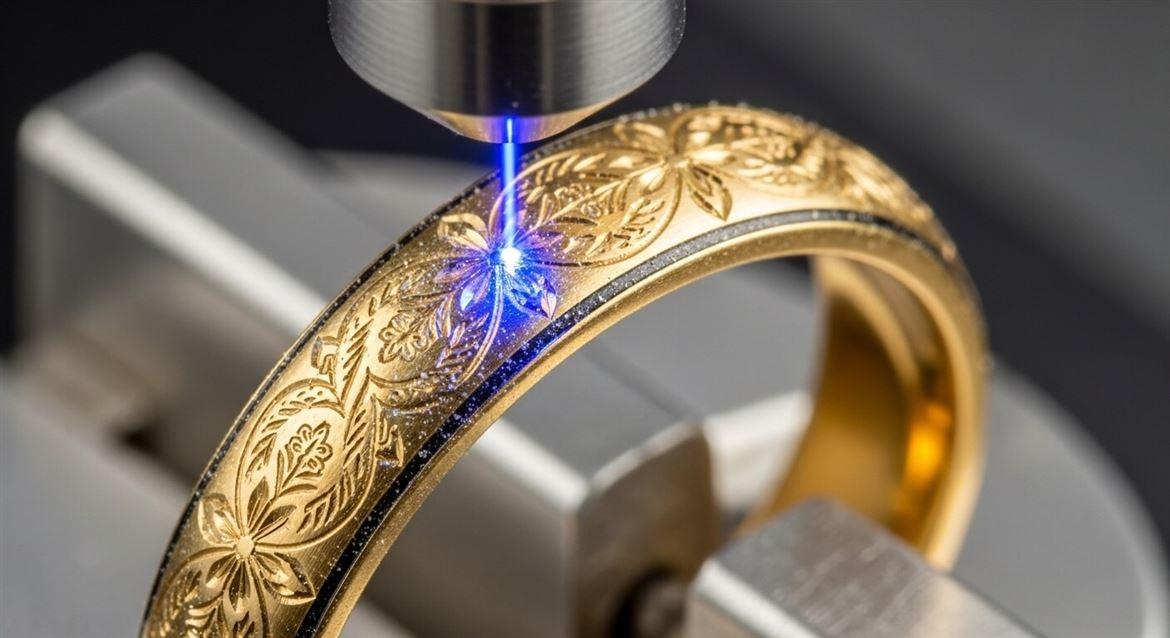
Jewelry manufacturers use fiber laser marking machines for engraving names, logos, serial numbers, and decorative details on metal jewelry.
Both standard fiber and MOPA systems can handle many jewelry marking applications.
MOPA is worth considering when the production process requires specialized surface effects or more flexible pulse control.
Automotive Parts Manufacturing
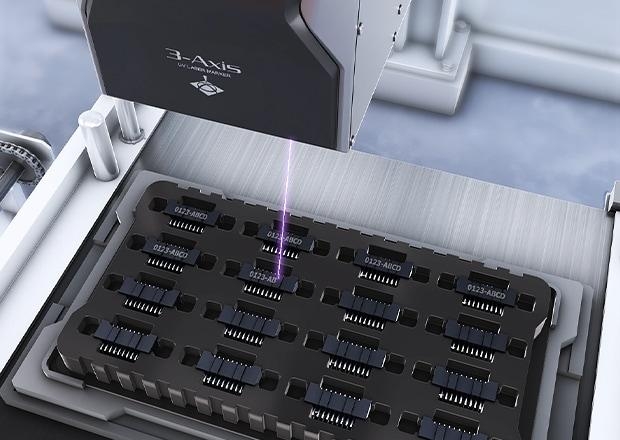
Automotive suppliers often need permanent identification marks on metal components.
Typical applications include:
-
Part numbers
-
QR codes
-
Data Matrix codes
-
Production dates
-
Serial numbers
-
Component traceability
Standard fiber lasers are generally sufficient for conventional identification marking. MOPA becomes more attractive when manufacturers require additional contrast control or specialized marking effects.
Stainless Steel Products
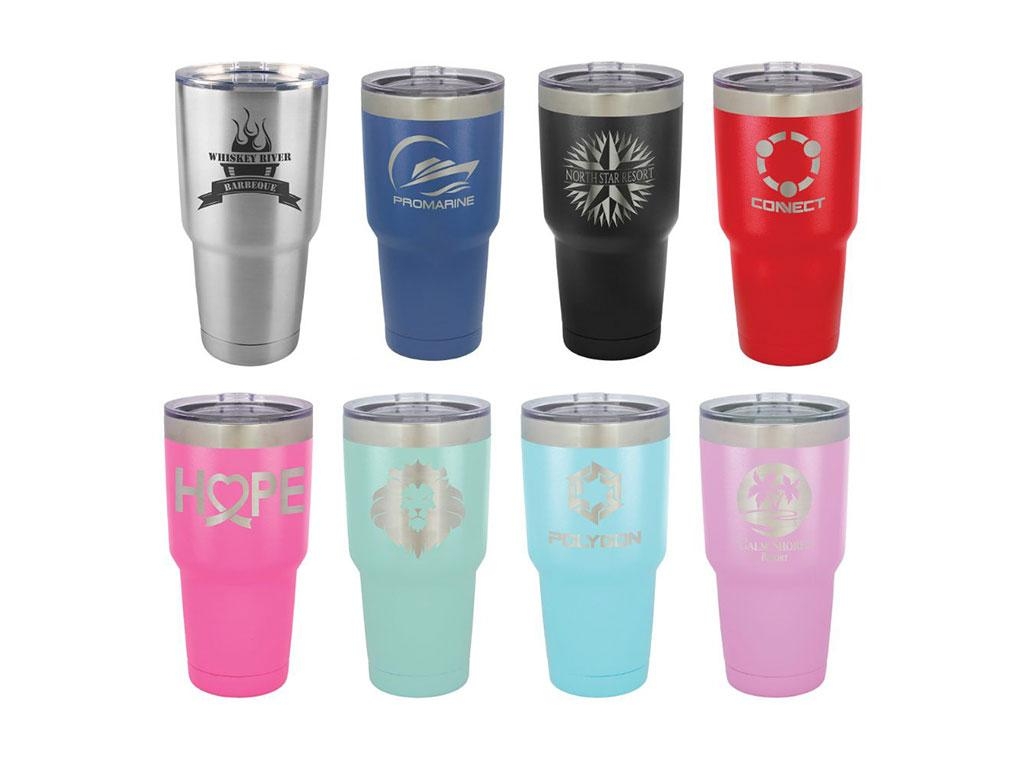
Manufacturers of stainless steel products may use laser marking for logos, decorative patterns, product identification, and customized designs.
MOPA is particularly suitable when color marking is part of the product design.
Standard fiber lasers are more economical when the requirement is limited to conventional monochrome marking.
7. Which One Is More Cost-Effective?
The purchasing decision should consider more than the initial machine price.
|
Cost consideration |
Standard Fiber |
MOPA Fiber |
|---|---|---|
|
Initial investment |
Generally lower |
Generally higher |
|
Conventional marking |
Cost-effective |
Cost-effective |
|
Color marking capability |
Limited |
Strong |
|
Parameter flexibility |
Lower |
Higher |
|
Application range |
General metal marking |
General and specialized marking |
|
Operator adjustment |
Relatively straightforward |
More parameter development may be needed |
If your factory mainly marks serial numbers, logos, barcodes, and simple graphics on metal, investing in a MOPA laser may not provide enough additional value.
However, if your customers regularly request color stainless steel marking, black anodized aluminum marking, or specialized surface effects, MOPA can reduce the need for alternative processing methods.
The most economical machine is the one that consistently produces the required marking result at the expected production volume.
8. How to Choose Between MOPA and Standard Fiber Laser?
Before purchasing a machine, manufacturers should identify the marking effects their customers actually require.
Here is a practical selection guide:
Your production requirements:
-
Ordinary metal logos and text
-
Serial numbers and QR codes
-
Conventional metal engraving
-
Industrial component identification
-
Cost-effective mass production
Your production requirements:
-
Color marking on stainless steel
-
Dark marking on anodized aluminum
-
Specialized surface effects
-
Fine marking on sensitive components
-
Greater flexibility in pulse control
What Should You Check Before Ordering?
Do not select a machine simply because its specification says MOPA or 30W, 50W, or 100W.
Ask the supplier about:
-
Laser source model: Confirm whether the source is MOPA or conventional Q-switched.
-
Pulse duration range: Check the actual adjustable range in nanoseconds.
-
Frequency range: Confirm the available repetition frequency.
-
Laser power: Select appropriate output power for your production requirements.
-
Marking lens: Check whether the working area and spot size meet your requirements.
-
Sample testing: Request marking samples using your actual materials and target designs.
For color marking, request samples showing different colors and repeatability. For conventional engraving, evaluate marking depth, edge quality, and production speed.
9. Frequently Asked Questions
Is MOPA better than a standard fiber laser?
MOPA is more versatile because it offers adjustable pulse duration and wider process flexibility. However, a standard fiber laser is often more economical for conventional metal marking and engraving.
Can a standard fiber laser mark colors on stainless steel?
A standard Q-switched fiber laser can produce certain thermal discoloration effects, but its limited pulse control makes it difficult to achieve a wide range of consistent colors. MOPA is generally the preferred technology for this application.
Can a MOPA laser perform deep engraving?
Yes. MOPA fiber lasers can engrave metals, including stainless steel, aluminum, brass, and other suitable materials. Actual engraving performance depends on power, pulse energy, pulse duration, and processing parameters.
Is MOPA suitable for aluminum marking?
Yes. MOPA can perform conventional aluminum marking and offers additional flexibility for producing dark marks on suitable anodized aluminum surfaces.
What is the difference between MOPA and Q-switched laser sources?
MOPA uses a master oscillator and power amplifier architecture, allowing adjustable pulse duration on suitable sources. Conventional Q-switched sources generally have a relatively fixed pulse duration, with a more limited operating range.
Does MOPA consume more electricity?
Not necessarily. Electricity consumption mainly depends on laser output power, source efficiency, cooling requirements, and the machine’s overall configuration. MOPA technology itself does not automatically mean higher electricity consumption.
Is a 30W MOPA laser enough for metal marking?
A 30W MOPA laser can handle many applications, including stainless steel color marking, anodized aluminum marking, and fine metal identification. Higher power may be preferable for faster production or deeper engraving, depending on the application.
Is MOPA more expensive than standard fiber laser marking machines?
Generally, yes. MOPA sources usually cost more because of their additional pulse-control capabilities. The price difference depends on the laser source manufacturer, power, machine configuration, and accessories.
Conclusion
The comparison between MOPA and standard fiber laser marking machines ultimately comes down to pulse control and the marking results required.
Standard fiber lasers remain an excellent choice for conventional metal marking, industrial identification, and engraving. MOPA technology provides additional flexibility for color marking, dark anodized aluminum marking, and specialized surface processing.
For manufacturers purchasing laser marking equipment, the best approach is to identify the required marking effects first, then select the laser source and power configuration accordingly.
Explore Dowin Laser Marking Machines to compare available fiber laser marking solutions, or contact Dowin for machine recommendations and sample testing based on your metal materials.
Post time: Nov-03-2026
