
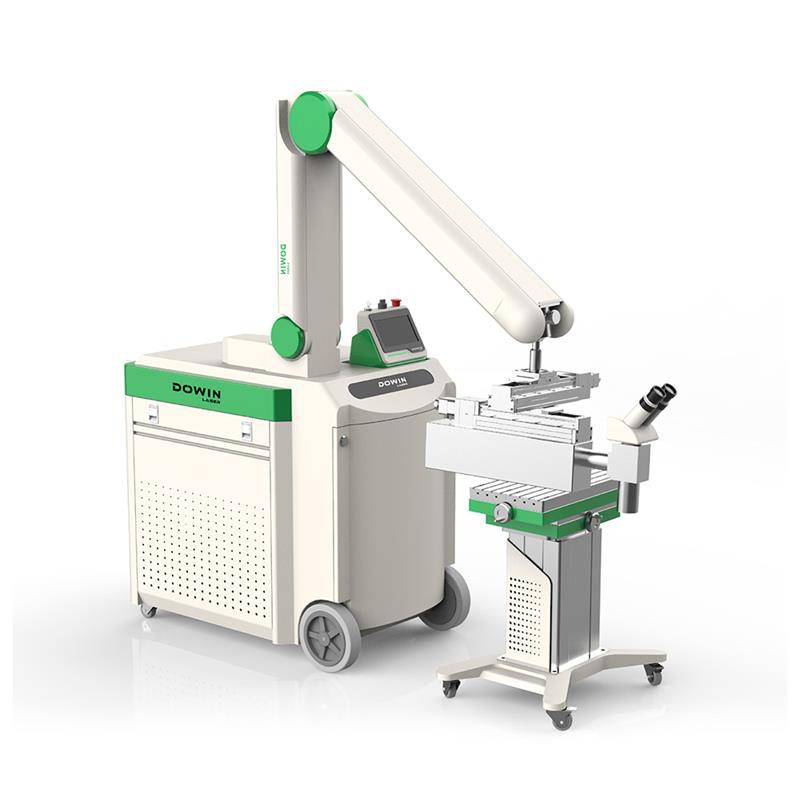
When it comes to mold repair, both laser welding and TIG welding are widely used—but they solve different problems. The better choice depends on repair size, required precision, mold value, and downtime cost.
Quick Verdict
If you repair high-precision molds, injection molds, optical molds, textured surfaces, or expensive tooling, a mold laser welding machine is usually better.
If you repair large cracks, deep structural damage, or need lower upfront equipment cost, TIG welding may be the better option.
Side-by-Side Comparison
| Factor | Mold Laser Welding Machine | TIG Welding |
|---|---|---|
| Precision | Excellent | Good |
| Heat Affected Zone | Very small | Larger |
| Risk of Distortion | Low | Higher |
| Surface Finish | Cleaner, less polishing | More post-processing |
| Best for Small Repairs | Excellent | Fair |
| Best for Large Repairs | Moderate | Excellent |
| Operator Skill Dependence | Lower to moderate | High |
| Repair Speed (micro repair) | Fast | Slower |
| Repair Speed (large fill) | Slower | Faster |
| Equipment Cost | Higher | Lower |
Why Laser Welding Wins for Mold Repair
1. Minimal Heat Damage
Molds require dimensional accuracy. Laser welding concentrates heat into a tiny area, helping preserve surrounding steel hardness and geometry. This is especially important for cavity edges and shutoff surfaces.
2. Better for Precision Areas
Laser welders are commonly used for:
- Micro-cracks
- Chipped corners
- Worn edges
- Fine engraving restoration
- Thin ribs and narrow slots
- Optical mold surfaces
3. Less Secondary Work
Because the weld bead is small and controlled, shops often spend less time grinding, polishing, and re-machining after repair.
Where TIG Welding Still Wins
1. Large Structural Repairs
If a mold has:
- Deep cracks
- Large missing sections
- Heavy buildup needs
- Thick steel sections
TIG is often faster and more economical. TIG can deposit more filler material quickly.
2. Lower Initial Investment
TIG machines cost much less than industrial mold laser welders, making them attractive for smaller workshops.
3. Flexible General Repair Tool
Many maintenance shops keep TIG because it can handle brackets, fixtures, frames, and non-mold jobs too.
Real Industry Trend in 2026
Many modern toolrooms do not choose one or the other. They use both:
- Laser welding for precision mold repair
- TIG welding for rough buildup and heavy repair
Industry users often describe laser as ideal for speed and clean thin work, while TIG remains the versatile all-rounder.
Which Is Better for Your Shop?
Choose Mold Laser Welding If You Need:
- Plastic injection mold repair
- High-value molds
- Tight tolerances
- Minimal distortion
- Faster finishing work
- Premium repair quality
Choose TIG If You Need:
- Budget-friendly setup
- Large crack repair
- Heavy filler deposition
- General-purpose welding tasks
- Lower machine cost
Final Answer
For mold repair specifically, a mold laser welding machine is usually better than TIG welding because precision matters more than raw deposition speed. It reduces distortion, protects mold geometry, and cuts finishing labor.
However, for large damage or budget-limited shops, TIG still has strong value.
Strongest Buying Strategy
If possible, use laser for fine repair and TIG for heavy rebuilds. That combination gives the lowest total repair cost and highest mold recovery rate.
Post time: Apr-29-2026
