
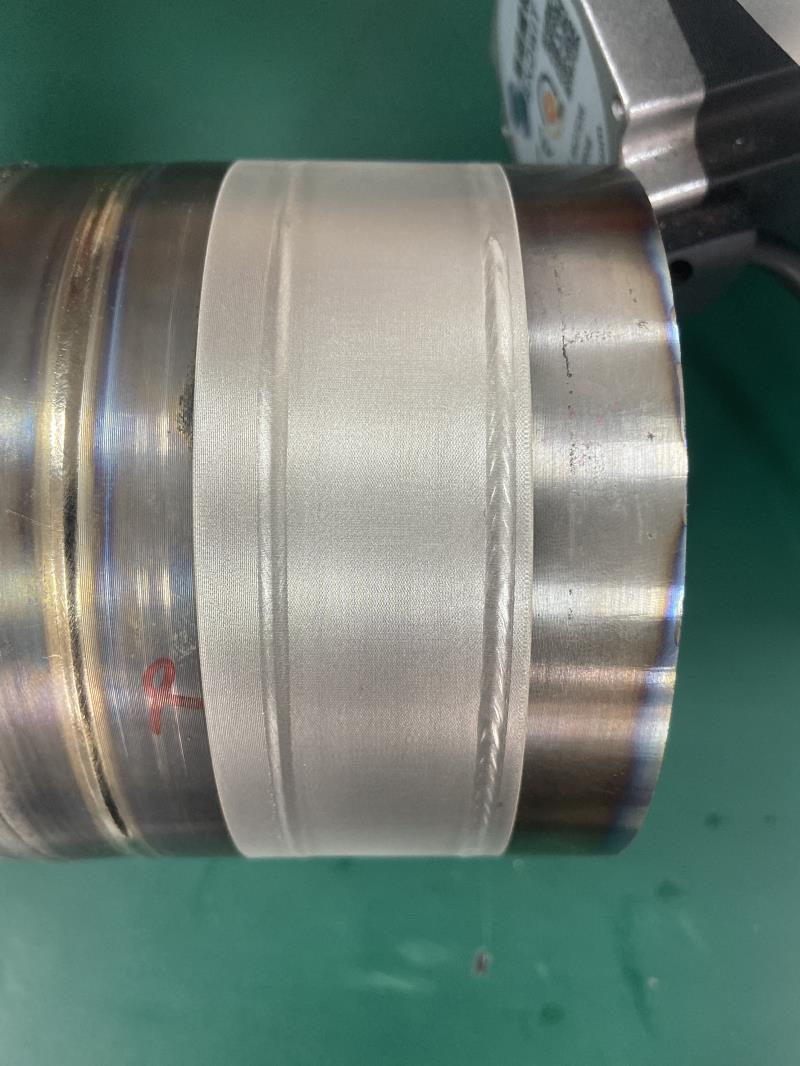
Why Oxide Removal Is a Critical Industrial Step
Oxide layers form naturally when metals react with oxygen. In controlled cases, they protect the material. In most industrial scenarios, they become a hidden risk.
Across sectors—automotive, aerospace, energy, and fabrication—oxide layers can cause:
- Weak weld penetration
- Poor coating adhesion
- Electrical conductivity issues
- Reduced component lifespan
Despite this, oxide removal is often treated as a routine step rather than a precision-critical process. That mindset is outdated.
The Problem with Traditional Oxide Removal Methods
Conventional techniques rely on mechanical force or chemical reactions:
- Grinding and blasting → remove oxides but damage base material
- Acid pickling → effective but hazardous and difficult to control
- Wire brushing → inconsistent and labor-intensive
These methods share one flaw:
They cannot distinguish between oxide and substrate.
The result is over-cleaning, material loss, and inconsistent quality.
Laser Cleaning: A Shift from Removal to Control
Laser cleaning machines approach oxide removal differently.
Instead of force, they use high-energy pulsed laser beams to:
- Break the bond between oxide and substrate
- Vaporize or detach the oxide layer
- Preserve the underlying metal
This works because oxide layers often have different absorption characteristics compared to the base material.
Key advantage:
Selective removal with minimal thermal and mechanical impact.
How Laser Cleaning Removes Oxide Layers
1. Energy Absorption Difference
Oxides typically absorb laser energy more efficiently than polished metals.
- Oxide layer heats rapidly
- Base metal reflects or dissipates energy
This creates a natural separation mechanism.
2. Micro-Ablation Process
Short laser pulses generate:
- Rapid thermal expansion
- Micro-fracturing of the oxide layer
- Ejection of particles as dust
No physical contact is required.
3. Controlled Depth Removal
Operators can precisely adjust:
- Pulse energy
- Frequency
- Scanning speed
This allows layer-by-layer cleaning, stopping exactly at the metal surface.
Key Applications of Laser Oxide Removal
1. Pre-Welding Surface Preparation
Oxides interfere with weld quality by:
- Preventing proper fusion
- Causing porosity
- Reducing joint strength
Laser cleaning ensures:
- Clean metal exposure
- Stable weld penetration
- Reduced defect rates
2. Aluminum Oxide Removal
Aluminum forms a thin but stubborn oxide layer (Al₂O₃).
This layer:
- Has a much higher melting point than aluminum
- Blocks welding and bonding processes
Laser cleaning can remove it without damaging the softer base metal, making it ideal for:
- Automotive lightweight structures
- Aerospace components
3. Steel Oxide and Scale Removal
In hot-rolled steel, oxide scale forms during processing.
Laser cleaning:
- Removes mill scale efficiently
- Prepares surfaces for coating or painting
- Reduces reliance on abrasive blasting
4. Battery and Electronics Manufacturing
Oxide layers affect:
- Conductivity
- Bonding reliability
Laser cleaning enables precision cleaning at micro-scale, critical for:
- Battery tabs
- Electrical contacts
- Precision connectors
5. Mold and Tool Maintenance
Oxide buildup on molds reduces:
- Surface quality
- Production consistency
Laser cleaning removes oxides without:
- Altering mold geometry
- Causing wear
Power Selection: Matching Technology to Application
Different oxide removal tasks require different power levels:
- Low power (100W–300W):
Thin oxide layers, precision components - Mid power (500W–1000W):
General industrial oxide removal - High power (1000W+):
Thick scale and heavy-duty applications
Important insight:
More power increases speed—but reduces control.
For oxide removal, precision often outweighs speed.
Advantages Over Traditional Methods
1. Non-Contact and Non-Abrasive
No tool wear, no surface damage, no mechanical stress.
2. No Chemicals Required
Eliminates hazardous waste and simplifies compliance.
3. High Repeatability
Programmable parameters ensure consistent results across batches.
4. Minimal Material Loss
Only the oxide layer is removed, preserving structural integrity.
Limitations You Should Consider
Laser cleaning is not without constraints:
- Thick oxide layers may require multiple passes
- Initial equipment investment is higher
- Process optimization requires expertise
- Not always the fastest option for large, heavily scaled surfaces
Ignoring these factors leads to poor ROI.
A Contrarian Perspective: Oxide Is Not Always the Enemy
Industry often treats oxide layers as defects.
This is simplistic.
In some cases, controlled oxide layers provide:
- Corrosion resistance
- Functional surface properties
The real goal is not to eliminate oxide—but to manage it precisely.
Laser cleaning supports this philosophy by enabling selective and controlled removal, rather than total destruction.
Future Trends: Intelligent Surface Preparation
Laser cleaning is evolving toward:
- Automated parameter adjustment
- Integration with robotic systems
- Real-time surface monitoring
This will transform oxide removal from a manual process into a data-driven, adaptive operation.
Conclusion: Precision Is the New Standard
Laser cleaning machines redefine how oxide layers are treated in modern industry.
They offer:
- Selective removal
- Surface preservation
- Process consistency
- Environmental advantages
Final Insight:
The future of oxide removal is not about removing more material—it is about removing exactly what is necessary, and nothing more.
Post time: Apr-22-2026
