
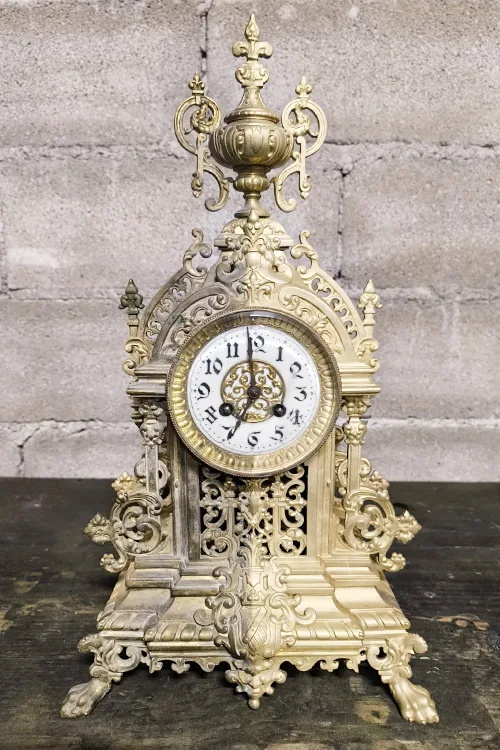
Laser Cleaning for Historical Artifact Restoration: The Future of Preservation and Conservation
In the world of historical artifact restoration, the challenge has always been balancing preservation with progress. How can we restore the past without destroying it? Enter laser cleaning technology, a cutting-edge method that’s transforming the conservation of cultural heritage. With the power to clean artifacts without compromising their delicate surfaces, laser cleaning is rapidly becoming the preferred choice for conservators, archaeologists, and museums worldwide. But how exactly is laser cleaning revolutionizing historical artifact restoration? And what does this mean for the future of conservation?
The History of Artifact Restoration: A Tenuous Balance
Historical artifact restoration has traditionally been a delicate dance of cleaning, repairing, and preserving artifacts without damaging their authenticity. From manuscripts to sculptures, ancient relics to intricate jewelry, every restoration project presents its own unique challenge. Many traditional methods, such as abrasive cleaning or chemical treatments, often risk leaving permanent marks, tarnishing the artifact’s original state, or even causing irreversible damage.
In the past, conservators have resorted to scraping, washing, or sanding artifacts, all of which require physical contact with the material. While these methods may have been effective in certain situations, they carry significant risks—especially for sensitive, centuries-old items. The need for a cleaner, safer, and more efficient approach to artifact restoration has never been greater. This is where laser cleaning steps in as a game-changer.
What is Laser Cleaning and How Does It Work?
Laser cleaning involves directing focused laser beams at an artifact’s surface to remove dirt, rust, corrosion, or old coatings without physically touching the object. The laser energy interacts with the contaminants, causing them to evaporate or break away in a controlled manner, while leaving the underlying material untouched. This process allows for precise removal of unwanted layers from delicate surfaces, offering a non-invasive, non-abrasive solution to conservation efforts.
The power of laser cleaning lies in its selectivity. Lasers can target contaminants like dirt, oil, corrosion, or paint without affecting the substrate, making them ideal for restoring metals, stone, ceramics, wood, and even fragile paper materials. This ability to clean in a highly controlled manner without damaging the artifact is precisely why laser cleaning is gaining momentum in conservation circles.
Industry Background: Why the Shift Toward Laser Technology?
Historically, conservation was grounded in physical touch—cleaning methods that involved scrubbing, chiseling, or using chemicals. While these methods were functional at the time, the understanding of their long-term impact on artifacts has led many to rethink their use. Traditional cleaning processes often result in abrasion, fading, and chemical residues that can erode the artifact’s integrity over time.
With advancements in laser technology, the conservation world is now seeing a paradigm shift. Lasers offer a precision that physical methods could never achieve. Whether it’s an ancient bronze sculpture or a delicate manuscript, lasers provide an effective way to remove contaminants without causing structural damage.
But what’s driving the shift toward lasers in heritage conservation?
-
Precision and Control: Laser cleaning allows conservators to control the depth, intensity, and focus of the cleaning process. This level of precision ensures that only the contaminants are removed, leaving the underlying material undisturbed.
-
Eco-Friendly: Unlike chemical cleaning methods, laser cleaning produces no hazardous waste or byproducts. There’s no need for harmful chemicals that might leave residues behind or affect the artifact’s material properties.
-
Efficiency: Laser cleaning is not only faster but also highly effective in removing layers of dirt or corrosion without extensive reworking. This makes the entire restoration process more cost-effective and time-efficient.
-
Non-Abrasive: Lasers work without physical contact, significantly reducing the risk of mechanical damage, which is a common concern when restoring delicate artifacts.
-
Safety: For conservators, the safety aspect of laser cleaning is a major advantage. There’s less risk of exposure to harmful chemicals or abrasive dust, which can be a concern in traditional restoration methods.
Applications of Laser Cleaning in Artifact Restoration
Laser cleaning is already being used to restore a wide range of historical artifacts, including sculptures, paintings, manuscripts, and more. Some of the most notable applications include:
1. Metal Restoration:
Laser cleaning is highly effective for restoring metals, such as copper, bronze, and iron. These materials often suffer from rust, corrosion, and tarnishing over time. Traditional cleaning methods, such as abrasive brushing or chemical treatment, could compromise the artifact. Laser cleaning removes rust and corrosion without harming the metal, preserving the object’s original appearance.
2. Stone Conservation:
Stone sculptures and monuments often accumulate dirt, grime, and soot, especially those in urban environments. Laser cleaning can remove these contaminants without damaging the stone or altering its texture. It has been particularly effective in the restoration of historical buildings, churches, and monuments.
3. Wood and Paper Artifacts:
Wooden sculptures, manuscripts, and historical furniture pieces can benefit from laser cleaning as well. Traditional methods of cleaning these delicate materials can cause irreparable damage, but lasers can carefully clean the surface, removing dirt or old varnish while keeping the integrity of the wood intact.
4. Ceramics and Pottery:
Ceramic and pottery items, often fragile and irreplaceable, are highly sensitive to abrasion. Laser cleaning is a non-invasive technique that helps to remove layers of dirt, dust, or old glazes, preserving the pottery’s intricate details and color.
The Future of Laser Cleaning in Artifact Restoration
As technology evolves, the potential for laser cleaning in heritage conservation only grows. The integration of artificial intelligence (AI) with laser systems could enable even more precise and automated cleaning methods, reducing human error and increasing efficiency. Additionally, advancements in laser beam intensity and focus could allow for the restoration of even more delicate materials that were once deemed too fragile for laser cleaning.
Furthermore, laser cleaning is becoming a more environmentally sustainable option for artifact conservation. With increasing awareness of climate change and environmental impact, the push for greener conservation methods has accelerated. Laser cleaning, which produces no chemical waste, aligns perfectly with this movement towards eco-friendly restoration techniques.
Breaking the Mold: A New Era in Conservation
It’s time to break free from outdated and potentially harmful restoration methods. Laser cleaning offers a fresh perspective on how we approach artifact conservation. It’s not just about restoring artifacts; it’s about preserving our history in the most advanced, safe, and environmentally responsible way possible. By embracing this technology, conservators can protect our cultural heritage for generations to come, ensuring that the stories of the past live on, undisturbed.
Laser cleaning is not just a tool; it’s a revolution in artifact preservation. The industry is shifting, and this shift represents the future of conservation—a future where we respect the past and preserve it for the future. Now is the time to explore laser technology in artifact restoration and embrace the potential it offers in safeguarding history.
Conclusion
Laser cleaning technology is at the forefront of a new era in historical artifact restoration. With its precision, eco-friendliness, and non-invasive nature, it’s rapidly becoming the go-to method for conservators around the world. As more institutions embrace this groundbreaking technology, the future of artifact conservation looks brighter than ever. Laser cleaning is no longer just a trend—it’s the future of preserving the past.
Post time: Apr-23-2026
