
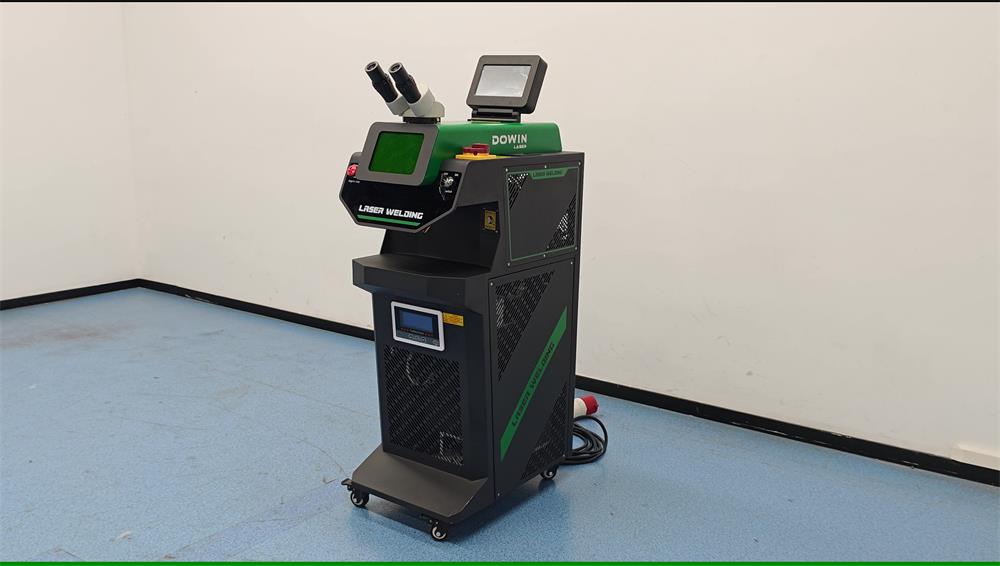
The modern jewelry industry is no longer limited to simple metal repair and traditional craftsmanship. Today’s customers demand highly personalized jewelry, intricate detailing, seamless assembly, and premium finishing quality. To meet these growing expectations, jewelers increasingly rely on advanced laser technology for both engraving and joining applications.
Among the most valuable tools in modern jewelry workshops are jewelry laser welding machines. These systems provide exceptional precision for joining delicate metal components while also supporting detailed engraving and customization processes in integrated production environments.
From luxury jewelry manufacturing to small repair workshops, laser technology is transforming how jewelry is designed, assembled, repaired, and personalized.
The Growing Role of Laser Technology in Jewelry Manufacturing
The global jewelry market is rapidly evolving toward:
- Personalized jewelry
- Custom engraving
- Precision craftsmanship
- Complex design structures
- Faster production cycles
Traditional soldering and mechanical engraving methods often struggle to achieve the precision required for modern luxury jewelry.
Laser technology offers a more advanced solution by combining:
- High precision
- Minimal material damage
- Cleaner processing
- Greater design flexibility
As a result, laser welding and engraving systems are becoming essential equipment for jewelry manufacturers and repair businesses.
What Is a Jewelry Laser Welding Machine?
A jewelry laser welding machine uses a highly focused laser beam to fuse metal components together with extreme accuracy.
Unlike traditional soldering methods, laser welding:
- Targets only the repair area
- Minimizes heat spread
- Protects surrounding materials
- Creates cleaner weld seams
Modern jewelry laser welders are commonly used for:
- Gold jewelry repair
- Silver chain joining
- Platinum ring resizing
- Prong rebuilding
- Micro welding
- Custom jewelry assembly
Some advanced laser systems also integrate engraving capabilities, creating multifunctional production solutions.
How Laser Technology Supports Jewelry Engraving
Laser engraving has become increasingly popular in jewelry customization because it allows permanent, highly detailed marking on metal surfaces.
Jewelry engraving applications include:
- Names
- Initials
- Logos
- Serial numbers
- Decorative patterns
- Personalized messages
Compared with traditional engraving methods, laser engraving offers:
- Higher precision
- Faster processing
- Cleaner detail
- Greater consistency
Laser systems can engrave on:
- Gold
- Silver
- Platinum
- Stainless steel
- Titanium
This versatility makes laser technology ideal for both luxury and commercial jewelry production.
Advantages of Laser Welding for Jewelry Joining
1. Precision Joining for Delicate Jewelry
Jewelry often contains extremely small and fragile components.
Laser welding enables jewelers to join:
- Thin chains
- Tiny jump rings
- Fine prongs
- Intricate filigree
- Lightweight structures
The concentrated laser beam creates highly accurate welds without damaging surrounding areas.
This precision is difficult to achieve with traditional torch soldering.
2. Minimal Heat Damage
One of the biggest advantages of laser welding is localized heat control.
Traditional soldering can:
- Warp delicate metals
- Crack gemstones
- Cause discoloration
- Damage fine details
Laser welding minimizes these risks by concentrating heat only where needed.
This allows repairs and joining work near:
- Diamonds
- Sapphires
- Rubies
- Heat-sensitive settings
Many repairs can be completed without removing stones.
3. Cleaner and More Invisible Welds
Luxury jewelry customers expect flawless finishing.
Laser welding creates:
- Smooth seams
- Minimal oxidation
- Reduced polishing work
- Nearly invisible joints
This is especially important for:
- High-end engagement rings
- Designer jewelry
- Luxury custom pieces
- Antique restoration
Invisible joining enhances overall product value and appearance.
Benefits of Laser Engraving in Jewelry Production
High-Speed Personalization
Modern consumers increasingly prefer customized jewelry.
Laser engraving allows workshops to quickly produce:
- Personalized gifts
- Wedding jewelry
- Corporate jewelry
- Luxury branded products
Fast customization helps businesses improve customer satisfaction and increase order volume.
Permanent and Precise Marking
Laser engraving creates highly durable markings resistant to:
- Wear
- Fading
- Corrosion
The precision of laser technology allows even tiny details and complex fonts to remain sharp and readable.
This is particularly important for luxury and commemorative jewelry.
Contact-Free Processing
Laser engraving is a non-contact process.
Unlike mechanical engraving tools, the laser does not physically touch the jewelry surface.
Benefits include:
- Reduced mechanical stress
- Lower risk of scratching
- Better consistency
- Improved precision
This is especially valuable for delicate and polished jewelry surfaces.
Combining Engraving and Joining in Modern Workshops
Many jewelry businesses now combine laser engraving and laser welding technologies within integrated workflows.
This creates major production advantages:
- Faster manufacturing
- Reduced equipment switching
- Better workflow efficiency
- Higher production flexibility
For example:
- A ring may first be laser welded during assembly.
- The finished product can then receive personalized laser engraving.
- Final polishing completes the luxury customization process.
Integrated laser production systems support both creativity and efficiency.
Applications Across the Jewelry Industry
Jewelry Repair Shops
Laser welding improves repair quality while engraving services add customer value.
Custom Jewelry Studios
Designers benefit from flexible joining and precision customization.
Luxury Jewelry Manufacturers
High-end brands rely on laser technology for flawless finishing and detailed personalization.
Watch and Accessory Production
Laser systems are widely used for micro welding and precision engraving on watches and metal accessories.
Fiber Laser vs YAG Technology
Modern jewelry laser systems generally use either:
- Fiber laser technology
- YAG laser technology
Fiber Laser Advantages
- Higher efficiency
- Lower maintenance
- Faster engraving speed
- Longer service life
YAG Laser Advantages
- Proven jewelry repair performance
- Excellent welding precision
- Widely used in traditional workshops
Fiber laser systems are becoming increasingly popular due to improved efficiency and lower operating costs.
Why Laser Technology Is Becoming Essential
Several industry trends are accelerating laser adoption:
- Rising demand for personalized jewelry
- Growth of luxury customization
- Need for invisible repairs
- Expansion of independent jewelry brands
- Increased focus on production efficiency
Jewelry businesses that invest in laser technology gain significant competitive advantages in craftsmanship and service capability.
Choosing the Right Jewelry Laser Welding Machine
When selecting a laser system for engraving and joining, important factors include:
Laser Power
Different applications require different power levels.
Precision Control
Fine parameter adjustment improves engraving and welding quality.
Cooling System
Reliable cooling ensures stable long-term operation.
Microscope and Viewing System
Precision visualization improves repair accuracy.
Software Compatibility
Advanced control software improves engraving flexibility and workflow management.
The Future of Laser Jewelry Manufacturing
As jewelry trends continue evolving toward customization and precision, laser technology will play an even larger role in:
- Smart manufacturing
- Digital jewelry design
- Automated production
- High-end craftsmanship
The combination of laser welding and engraving allows workshops to produce jewelry with greater creativity, efficiency, and quality than ever before.
Final Thoughts
Jewelry laser welding machines for engraving and joining are transforming modern jewelry production. By combining precision welding with advanced engraving capabilities, these systems allow jewelers to create cleaner joints, safer repairs, intricate personalization, and highly customized luxury pieces.
From delicate gold chain repair to personalized wedding rings and complex designer jewelry, laser technology offers the flexibility and precision required in today’s competitive jewelry market.
As customer expectations for customization and craftsmanship continue rising, laser welding and engraving systems will remain essential tools for the future of jewelry manufacturing and repair.
Post time: May-27-2026
