
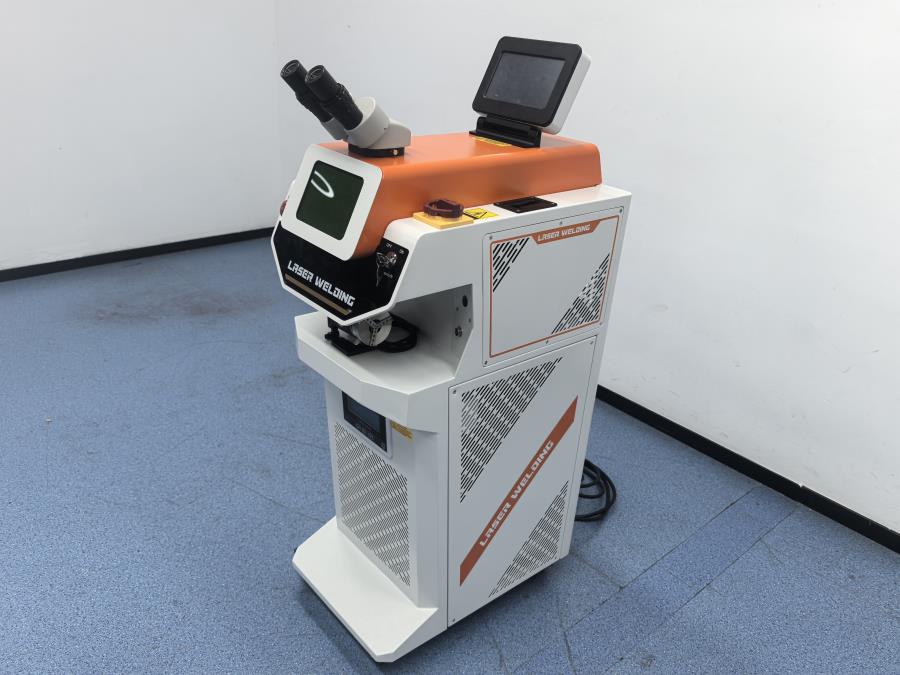
In the jewelry industry, prongs play a critical role in securing valuable gemstones. Whether holding a diamond in an engagement ring or supporting a precious colored stone in a luxury pendant, prongs must remain strong and properly shaped to ensure long-term security. Over time, however, prongs can wear down, bend, crack, or break due to daily wear. Traditionally, repairing these delicate components often required removing stones and exposing the jewelry to significant heat. Today, jewelry laser welding technology offers a more precise and safer solution.
Laser welding has become a preferred repair method for jewelers worldwide because it enables accurate prong restoration while providing superior protection for gemstones and delicate jewelry settings.
Why Prong Repair Is Essential
Prongs are constantly exposed to friction, impacts, and environmental factors. Even precious metals such as gold and platinum gradually wear away over years of use.
Common signs that prongs require repair include:
- Loose gemstones
- Bent or worn prongs
- Cracked prongs
- Missing prong tips
- Uneven stone positioning
- Excessive metal thinning
Ignoring these issues can result in gemstones becoming loose or even falling out, potentially leading to significant financial loss for jewelry owners.
Regular inspection and timely repair are essential for maintaining jewelry safety and value.
Challenges of Traditional Prong Repair
For decades, jewelers relied on torch soldering to repair damaged prongs. While effective in many situations, traditional methods present several challenges.
Heat Damage Risks
Torch soldering generates high temperatures that spread throughout the jewelry piece. This heat can damage nearby gemstones, especially heat-sensitive stones such as:
- Emeralds
- Opals
- Pearls
- Tanzanite
- Turquoise
- Certain sapphires
In many cases, stones must be removed before repair, increasing labor costs and the risk of accidental damage.
Reduced Precision
Traditional soldering can be difficult when working with extremely small prongs and intricate settings. Excess solder may affect the appearance of the finished piece.
Increased Repair Time
Stone removal, soldering, cleaning, resetting, and polishing often make conventional repairs time-consuming.
Laser welding addresses these limitations through highly localized energy delivery.
How Jewelry Laser Welding Works
Jewelry laser welders use concentrated laser pulses to generate intense heat within a tiny target area. The surrounding metal remains largely unaffected, creating an extremely small heat-affected zone.
The process typically involves:
- Inspecting the damaged prong under magnification.
- Positioning the jewelry beneath a microscope.
- Adjusting laser energy settings.
- Adding filler wire if additional metal is needed.
- Applying precise laser pulses.
- Shaping and polishing the repaired prong.
Because the laser targets only the repair location, nearby gemstones are exposed to minimal heat.
Advantages of Laser Welding for Prong Repair
Exceptional Precision
One of the biggest benefits of laser welding is its ability to perform microscopic repairs.
Jewelers can:
- Rebuild individual prong tips
- Repair tiny cracks
- Reinforce weak areas
- Restore worn metal sections
This level of control is particularly important for high-end jewelry and intricate settings.
Enhanced Stone Protection
Gemstone protection is often the primary reason jewelers choose laser welding.
Unlike traditional soldering, laser welding:
- Minimizes heat transfer
- Reduces thermal shock
- Protects gemstone integrity
- Often eliminates the need for stone removal
This advantage significantly lowers repair risks and preserves the original setting.
Strong and Durable Repairs
Laser welds create metallurgical bonds that provide excellent strength.
Properly repaired prongs offer:
- Long-term durability
- Improved gemstone security
- Resistance to everyday wear
- Reliable structural support
Customers gain confidence knowing their valuable stones are securely held in place.
Improved Aesthetics
Laser welding produces clean and precise repairs with minimal excess material.
Benefits include:
- Nearly invisible weld seams
- Better surface finish
- Reduced polishing requirements
- Preservation of original design details
The repaired jewelry often looks almost identical to its original condition.
Common Prong Repair Applications
Diamond Engagement Rings
Diamond rings are among the most common items requiring prong maintenance.
Laser welding allows jewelers to:
- Re-tip worn prongs
- Rebuild damaged settings
- Tighten loose stones
- Extend ring lifespan
Halo Settings
Modern halo rings contain multiple small diamonds positioned closely together.
Laser welding offers the precision needed to repair individual prongs without affecting neighboring stones.
Vintage and Antique Jewelry
Older jewelry often features delicate craftsmanship that cannot tolerate excessive heat.
Laser welding enables restoration while preserving:
- Filigree details
- Milgrain edges
- Antique settings
- Historical design elements
Luxury Designer Jewelry
High-value branded jewelry demands flawless repairs.
Laser welding provides the quality and precision required for luxury restoration work.
Metals Suitable for Laser Prong Repair
Modern jewelry laser welding machines can effectively repair prongs made from:
- Platinum
- White gold
- Yellow gold
- Rose gold
- Silver
- Palladium
This versatility allows jewelers to handle a wide variety of repair projects using a single machine.
Why Jewelry Repair Shops Invest in Laser Welders
The growing popularity of laser welding is driven by both technical and business advantages.
Benefits include:
Increased Service Capabilities
Shops can perform repairs previously considered difficult or risky.
Faster Turnaround Times
Fewer stone removals and simplified workflows improve productivity.
Higher Customer Satisfaction
Customers appreciate safer repairs and better aesthetic results.
Greater Profitability
Laser welding enables premium repair services and expands business opportunities.
Features to Look for in a Jewelry Laser Welding Machine
When selecting equipment for prong repair applications, consider the following:
Adjustable Pulse Parameters
Precise energy control allows safe repair of delicate settings.
High-Resolution Microscope
Accurate visual positioning improves repair quality.
Stable Laser Output
Consistent performance ensures repeatable results.
Fine Spot Size Adjustment
Small spot sizes are essential for intricate prong work.
User-Friendly Controls
Easy operation reduces training requirements and improves efficiency.
Future Trends in Jewelry Repair
As jewelry designs become increasingly complex and customers demand higher-quality repairs, laser welding technology continues to gain adoption across the industry.
Advancements in laser sources, microscope systems, and automation are making repairs even more precise and efficient. Many modern jewelry workshops now view laser welders as essential equipment rather than optional tools.
The ability to protect gemstones while performing highly accurate metal repairs will continue to drive demand for laser welding solutions.
Conclusion
Prong repair is one of the most important services offered by jewelry repair professionals because damaged prongs directly threaten gemstone security. Jewelry laser welding technology provides an advanced solution that combines precision, strength, and superior stone protection.
By minimizing heat exposure, reducing repair risks, and delivering nearly invisible welds, laser welders enable jewelers to restore damaged settings with confidence. Whether repairing diamond engagement rings, antique heirlooms, or luxury designer jewelry, laser welding has become the industry standard for high-quality prong repair and gemstone protection.
Post time: Jun-11-2026
