
Repairing a thin gold chain without traditional soldering is possible with a jewelry laser welding machine. For delicate chains, laser welding offers a more precise way to reconnect broken links while minimizing heat transfer to the surrounding metal.
This is especially useful for fine gold chains where a traditional torch can heat a larger area than necessary and make it difficult to control the repair.
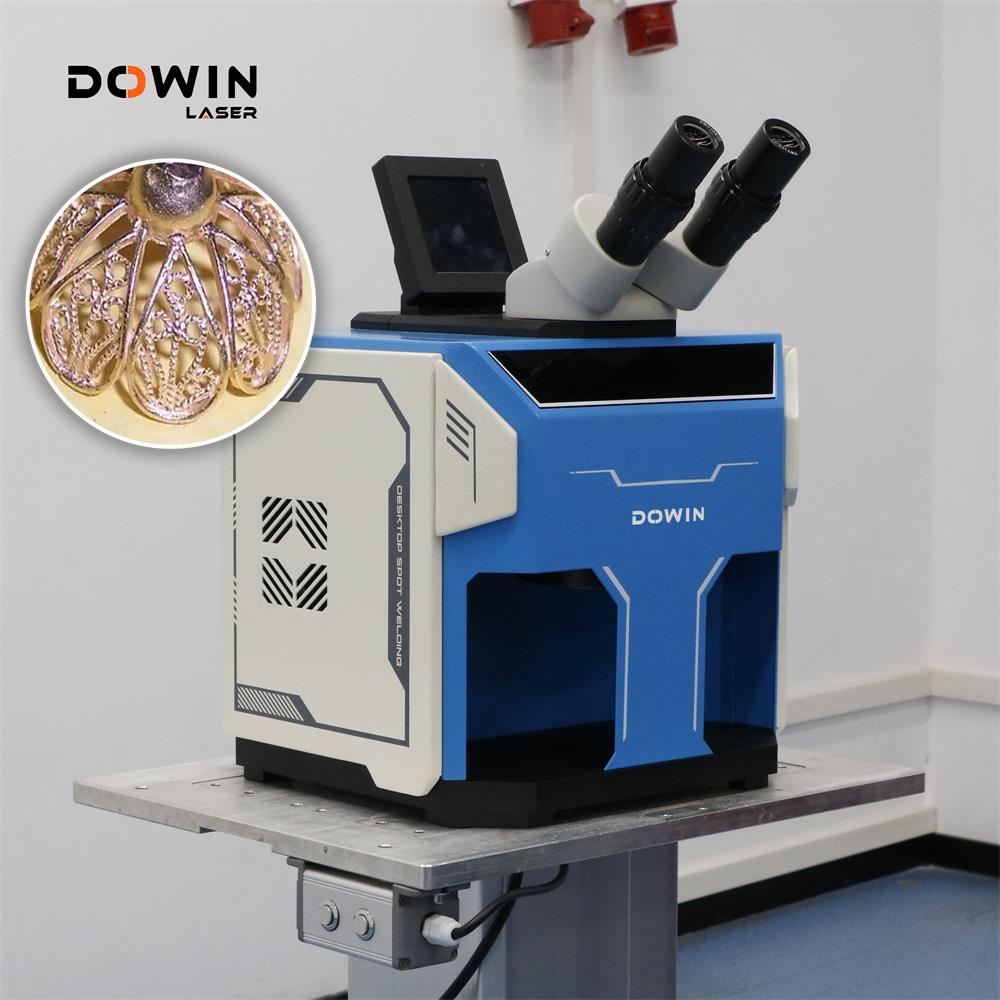
Can You Repair a Gold Chain Without Soldering?
Yes. Laser welding can repair many thin gold chains without using conventional solder.
Instead of heating the entire joint with a torch, a focused laser pulse melts a small area of the gold and creates a fusion weld. Depending on the chain design and the size of the break, the repair may be completed without filler wire, or a very small amount of matching gold wire can be added.
Laser welding is commonly suited to:
-
Thin gold chains
-
Broken chain links
-
Fine necklaces
-
Bracelets
-
Jump rings
-
Clasps
-
Small connecting components
Why Is Laser Welding Better for Thin Gold Chains?
Thin chains require careful heat management. Excessive heat can deform small links, weaken adjacent sections, or create unnecessary finishing work.
A laser welder provides several advantages.
1. Highly Localized Heat
The laser can concentrate energy directly on the broken section instead of heating the entire chain.
2. Precise Welding
The operator can use small laser pulses to reconnect very small areas of metal.
3. Minimal Distortion
Because the surrounding material receives less heat, delicate links are less likely to deform during repair.
4. Less Finishing Work
A controlled laser weld can reduce the amount of filing and polishing required after the repair.
5. No Conventional Solder Joint
The gold itself can be fused, allowing the repaired area to maintain a more consistent appearance when the correct alloy is used.
How to Repair a Thin Gold Chain With a Laser Welder
Step 1: Inspect the Chain
Identify the gold alloy, chain thickness, broken link, and condition of the surrounding links.
Very thin or heavily worn chains may require reinforcement rather than simply reconnecting the original break.
Step 2: Clean the Repair Area
Remove dirt, oil, polishing compounds, and other contaminants. A clean surface helps produce a more consistent weld.
Step 3: Align the Broken Link
Position the two sections precisely under the microscope. Proper alignment is particularly important for fine chains because even a small offset can affect flexibility.
Step 4: Select Low Initial Laser Energy
Start with conservative parameters suitable for the chain thickness and gold alloy.
Laser welding parameters should not be copied blindly from another repair. Gold alloys, link thickness, spot diameter, and joint geometry all affect the required energy.
Step 5: Tack Weld
Use small pulses to hold the two sides together before completing the joint.
Step 6: Complete the Weld
Apply controlled pulses around the joint. If material is missing, a small amount of compatible gold filler wire can be introduced.
Step 7: Inspect the Link
Check the repaired area under magnification. The link should remain properly aligned and retain its required flexibility.
Step 8: Polish the Repair
Once the weld is confirmed, lightly finish and polish the repaired area to restore the chain’s original appearance.
Can You Laser Weld a Very Thin Gold Chain?
Yes, but chain thickness matters.
The thinner the gold link, the smaller the margin for error. Excessive laser energy can create a hole rather than a clean weld.
For extremely fine chains, the operator needs precise control over:
-
Pulse energy
-
Pulse duration
-
Spot size
-
Frequency
-
Welding position
-
Filler wire diameter
This is one reason jewelry-specific laser welders are useful for delicate chain repair. Their optical magnification and fine parameter adjustment allow the operator to work on very small components.
Laser Welding vs. Soldering a Thin Gold Chain
| Feature | Laser Welding | Traditional Soldering |
|---|---|---|
| Heat concentration | Very localized | Broad |
| Fine chain repair | Excellent | More difficult |
| Distortion risk | Lower with proper settings | Higher |
| Precision | Very high | Moderate |
| Solder required | Not always | Yes |
| Finishing work | Often minimal | May require more |
| Initial equipment cost | Higher | Lower |
| Suitable for high-volume repairs | Excellent | Good |
The biggest advantage of laser welding is control. Instead of applying broad heat to the chain, the operator can gradually build the repair with precisely controlled laser pulses.
Can You Repair Gold Chains Without Removing Gemstones?
If the chain is part of a gemstone jewelry piece, laser welding may allow certain repairs to be performed without removing the stones.
However, gemstone safety depends on the type and condition of the stone and how close it is to the repair area. Diamonds may tolerate some laser-assisted repairs better than heat-sensitive or treated gemstones.
The jewelry should always be inspected before welding rather than assuming that every stone can safely remain in place.
What Gold Can Be Laser Welded?
Jewelry laser welders can be used with many common gold alloys, including:
-
24K gold
-
22K gold
-
18K gold
-
14K gold
-
10K gold
-
Yellow gold
-
White gold
-
Rose gold
However, different alloys behave differently during welding. White gold, for example, may require different parameter settings from yellow gold because of its alloy composition.
Whenever possible, identify the exact alloy before selecting welding parameters.
Common Problems When Laser Welding Thin Gold Chains
Burning Through the Link
If the laser energy is too high or the spot is too concentrated, the thin gold can melt through.
Solution: Reduce pulse energy, adjust the spot size, and use controlled overlapping pulses.
Weak Weld
Insufficient penetration can result in a joint that looks acceptable but is mechanically weak.
Solution: Gradually increase energy or adjust pulse duration while testing on representative material.
Misaligned Link
If the chain is not correctly positioned before welding, the repaired link may become stiff or distorted.
Solution: Carefully align and secure the link before tack welding.
Visible Weld Mark
An improperly matched filler or excessive weld material can make the repair visible.
Solution: Use compatible gold filler and apply only the material required for the repair.
Frequently Asked Questions
Can a broken gold chain be repaired without solder?
Yes. Laser welding can fuse the gold directly and can eliminate the need for conventional solder in many repairs.
Is laser welding strong enough for gold chains?
When the correct parameters and joint preparation are used, laser welding can produce strong repairs suitable for many jewelry applications.
Can you laser weld a 14K gold chain?
Yes. 14K gold is commonly used in jewelry and can be laser welded. The correct settings depend on the specific alloy and chain thickness.
Can you laser weld an 18K gold chain?
Yes. 18K gold can be laser welded, although the parameters should be adjusted according to the alloy composition and thickness.
Is laser welding better than soldering for fine chains?
For very delicate chains, laser welding can offer better heat control and precision. Traditional soldering can still be effective for simpler or larger repairs.
Conclusion
Thin gold chains can often be repaired without traditional soldering by using a jewelry laser welding machine.
The focused laser beam allows the operator to target the broken link with minimal heat spreading, making it particularly useful for fine chains and other delicate jewelry components.
The key to a successful repair is not maximum laser power but precise control of pulse energy, duration, spot size, and welding position. With the right parameters and technique, laser welding can create clean, strong repairs while preserving the delicate structure of the gold chain.
For jewelry repair shops handling a high volume of fine gold chains, investing in a precision jewelry laser welding machine can expand repair capabilities and provide a more controlled alternative to traditional soldering.
Post time: Aug-19-2026
