
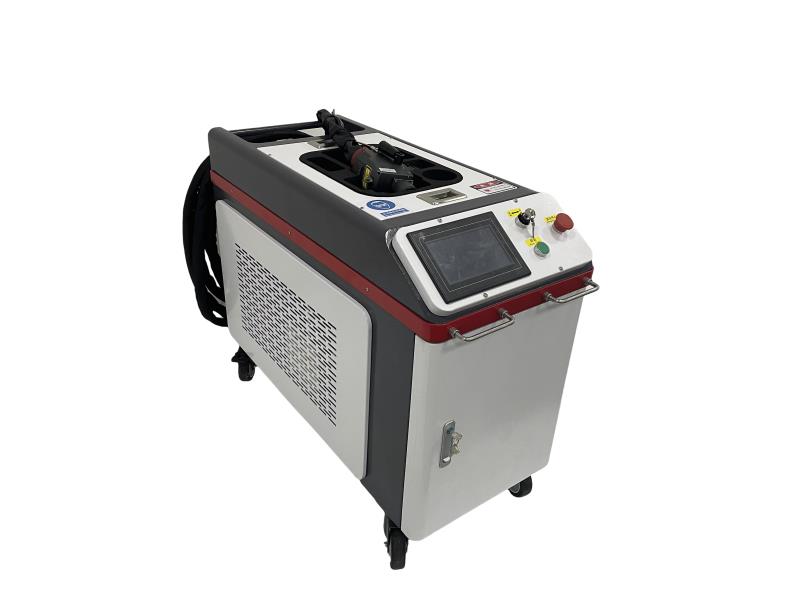
Why Laser Cleaning Is a High-Growth Opportunity
Laser cleaning is moving from niche technology to mainstream industrial tool. Three forces are driving this shift:
- Rising labor costs → demand for automation and efficiency
- Environmental regulations → reduced tolerance for chemicals and abrasives
- Precision manufacturing → need for controlled, repeatable surface preparation
This creates a gap in the market:
Many industries need laser cleaning—but lack in-house capability.
That gap is where profitable service businesses emerge.
Step 1: Choose the Right Market (Not Just the Technology)
Most beginners focus on machines first. This is a mistake.
Profitability depends on who you serve, not what you buy.
High-demand segments in 2026:
- Automotive restoration (rust, paint removal)
- Industrial maintenance (equipment, pipelines)
- Mold cleaning (manufacturing)
- Graffiti removal (cities, property management)
- Pre-welding surface preparation
Insight:
B2B clients (factories, contractors) generate more stable revenue than one-off consumer jobs.
Step 2: Select the Right Laser Cleaning Machine
Your machine determines your service capability.
Recommended starting setup:
- Power range: 200W–500W pulsed laser
- Why:
- Covers ~70% of real-world applications
- Balances precision and efficiency
- Lower risk of damaging client materials
Avoid common mistakes:
- Buying too high power → unnecessary cost + higher risk
- Buying too cheap → unstable performance, lost clients
Rule:
Match machine capability to your target market—not the other way around.
Step 3: Define Your Service Model
There are three viable business models:
1. Mobile Service (Most Popular)
- Go to client locations
- Ideal for factories, construction sites
- Low overhead, fast market entry
2. Workshop-Based Service
- Clients send parts to you
- Better control, higher precision
- Requires facility investment
3. Hybrid Model
- Combine both
- Most scalable long-term
Step 4: Pricing Strategy (Where Profit Is Made)
Typical pricing models:
- Hourly: $150 – $350/hour
- Per project: based on size and complexity
- Per area: $10 – $50 per square meter
Key pricing insight:
Do NOT price based on your cost.
Price based on:
- Value delivered (time saved vs traditional methods)
- Risk reduction (no damage to parts)
- Client alternatives (blasting, chemicals)
Step 5: Understand Your Real Costs
Initial investment:
- Machine: $8,000 – $20,000
- Safety gear: $500 – $2,000
- Transport/setup: $1,000 – $5,000
Operating costs:
- Electricity: low
- Maintenance: minimal
- Labor: main variable
Break-even estimate:
- ~50–150 working hours
After that, most revenue becomes profit.
Step 6: Acquire Your First Clients (Practical Strategy)
Start with direct outreach:
- Local factories
- Auto repair shops
- Metal fabrication companies
Use before/after demonstrations:
Laser cleaning is visual. Show results.
Leverage digital channels:
- Google SEO (service pages)
- YouTube / TikTok demos
- LinkedIn for B2B outreach
Reality:
Clients don’t buy technology. They buy visible results.
Step 7: Build a Competitive Advantage
Most laser cleaning businesses fail because they look identical.
Differentiate by:
- Specializing in one niche (e.g., mold cleaning)
- Offering faster turnaround
- Providing guaranteed results
- Integrating with client production workflows
Step 8: Scale the Business
Once stable, scale through:
- Hiring operators
- Adding more machines
- Expanding into new industries
- Offering complementary services (coating, welding prep)
A Contrarian Perspective: The Machine Is Not the Business
Many people believe:
“Buy a laser cleaner → start making money”
This is wrong.
The machine is just a tool.
The real business is:
- Solving specific industrial problems
- Delivering consistent results
- Building long-term client relationships
Common Mistakes to Avoid
- Choosing technology before market
- Underpricing services
- Ignoring operator training
- Targeting low-value customers
- Competing only on price
Conclusion: From Tool to Profit System
A profitable laser cleaning business is not built on equipment—it is built on strategy.
When done correctly, it offers:
- High margins
- Low recurring costs
- Strong demand growth
Final Insight:
The opportunity is not in owning a laser cleaner.
It is in becoming the solution provider that industries cannot easily replace.
Post time: Apr-23-2026
