
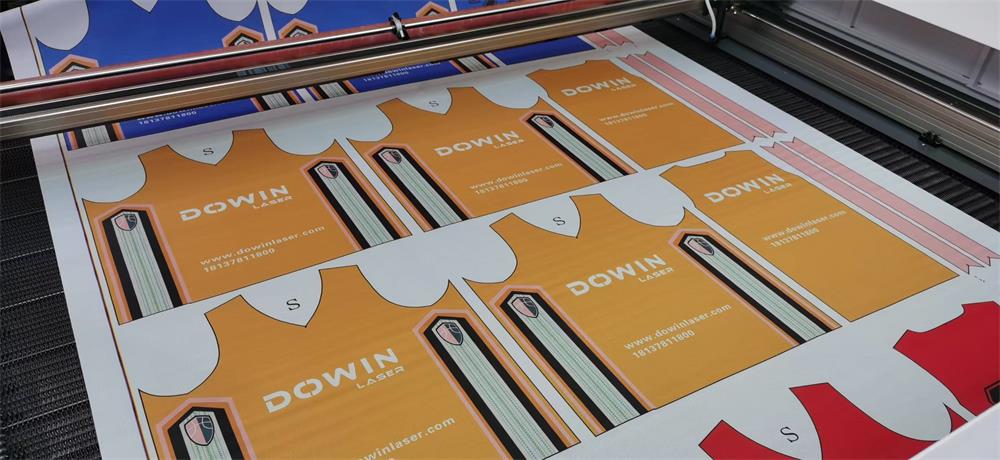
Synthetic fabrics are widely used in industries such as apparel, sportswear, automotive textiles, home decoration, and technical textiles due to their durability, flexibility, and excellent performance. However, cutting synthetic materials can be challenging because many fabrics are prone to fraying, stretching, or deformation during traditional cutting processes.
A CO2 laser cutting machine provides an efficient solution for processing synthetic fabrics. With high precision, non-contact cutting, and thermal edge sealing, laser technology helps manufacturers achieve clean edges and consistent production quality.
Why Use a CO2 Laser for Synthetic Fabric Cutting?
Synthetic fabrics such as polyester, nylon, acrylic, and microfiber respond well to CO2 laser cutting because they contain thermoplastic fibers. When exposed to the laser beam, the material melts and vaporizes along the cutting path.
Compared with traditional cutting methods, CO2 laser cutting offers:
- High cutting accuracy
- Smooth and sealed edges
- No mechanical pressure on fabrics
- Fast processing speed
- Reduced material waste
- Ability to cut complex patterns
These advantages make CO2 laser cutting an ideal technology for modern textile manufacturing.
1. Understanding Synthetic Fabrics Suitable for CO2 Laser Cutting
Before cutting, it is important to understand the characteristics of different synthetic materials.
Common laser-cuttable synthetic fabrics include:
Polyester Fabric
Polyester is one of the most commonly used synthetic textiles in clothing and industrial applications.
Laser cutting advantages:
- Clean cutting edges
- Minimal fraying
- High production efficiency
Applications:
- Sportswear
- Uniforms
- Outdoor clothing
Nylon Fabric
Nylon is lightweight, strong, and flexible.
Laser cutting is suitable for:
- Bags
- Protective covers
- Functional textiles
- Outdoor products
Acrylic Fabric
Acrylic fibers react well with laser heat and can achieve smooth edges.
Applications:
- Decorative textiles
- Upholstery materials
- Industrial fabrics
Microfiber Materials
Laser cutting provides precise processing for microfiber products requiring detailed shapes.
2. Prepare Synthetic Fabric Before Laser Cutting
Proper preparation ensures better cutting quality.
Before starting:
- Check fabric thickness and composition
- Remove dust or contaminants
- Ensure the fabric is flat and wrinkle-free
- Confirm the fabric is suitable for laser processing
For roll materials, an automatic feeding system can help maintain stable tension and improve continuous production.
3. Set the Correct CO2 Laser Parameters
Laser settings directly affect cutting results. Important parameters include:
Laser Power
Higher power may be required for:
- Thick synthetic fabrics
- Multi-layer materials
Lower power is suitable for:
- Thin textiles
- Detailed patterns
Cutting Speed
The correct speed ensures complete cutting without excessive melting.
- Too fast: incomplete cutting
- Too slow: excessive heat accumulation
Air Assist
Compressed air helps:
- Remove smoke
- Improve cutting quality
- Reduce material discoloration
Proper parameter adjustment is essential for achieving clean and precise results.
4. Benefits of Laser Edge Sealing
One of the biggest advantages of CO2 laser cutting synthetic fabrics is edge sealing.
During cutting, the laser heat melts the synthetic fibers along the cutting line, creating a sealed edge.
Benefits include:
- Preventing fabric fraying
- Improving product durability
- Reducing additional finishing processes
- Creating a professional appearance
This is especially valuable for sportswear and technical textile applications.
5. Cutting Complex Designs with High Precision
Synthetic fabrics are often used in products requiring detailed shapes and patterns.
A CO2 laser cutter can produce:
- Small holes
- Decorative patterns
- Curved lines
- Intricate textile designs
- Custom shapes
Because laser cutting is controlled by digital files, manufacturers can quickly change designs without producing physical cutting tools.
6. Improving Production Efficiency with Automatic Feeding
For large-scale textile manufacturing, manual fabric handling can limit productivity.
A CO2 laser fabric cutting machine with automatic feeding offers:
- Continuous roll processing
- Reduced labor requirements
- Higher production speed
- Consistent cutting quality
This is especially beneficial for garment factories producing large quantities of synthetic clothing and textile products.
7. Applications of CO2 Laser Cutting Synthetic Fabrics
CO2 laser cutting technology is widely used in many industries.
Apparel Manufacturing
- Sportswear
- Jackets
- Fashion clothing
- Performance garments
Automotive Textiles
- Seat covers
- Interior fabrics
- Decorative textile components
Outdoor Products
- Tents
- Backpacks
- Waterproof gear
Industrial Textiles
- Filters
- Protective fabrics
- Composite materials
8. Tips for Better Synthetic Fabric Laser Cutting Results
To achieve optimal performance:
- Select the correct CO2 laser power for the material
- Test cutting parameters before production
- Maintain clean laser optics
- Use proper ventilation systems
- Keep fabric tension stable
- Optimize cutting paths through nesting software
Regular machine maintenance ensures stable output and longer equipment life.
CO2 Laser Cutting vs Traditional Fabric Cutting
| Feature | CO2 Laser Cutting | Traditional Cutting |
|---|---|---|
| Cutting accuracy | Very high | Depends on tools |
| Edge quality | Sealed and clean | May require finishing |
| Material contact | Non-contact | Mechanical pressure |
| Complex patterns | Excellent | Limited |
| Tool replacement | Not required | Required |
| Automation | Easy integration | More difficult |
Conclusion
Cutting synthetic fabrics with a CO2 laser cutting machine provides manufacturers with a precise, efficient, and reliable processing method. The ability to create sealed edges, reduce waste, and handle complex designs makes laser technology highly valuable for modern textile production.
For industries such as sportswear, outdoor products, automotive textiles, and technical fabrics, CO2 laser cutting offers an advanced solution to improve product quality and manufacturing efficiency. As textile production continues to move toward automation and customization, laser cutting technology will play an increasingly important role in the future of fabric processing.
Post time: Jul-08-2026
