
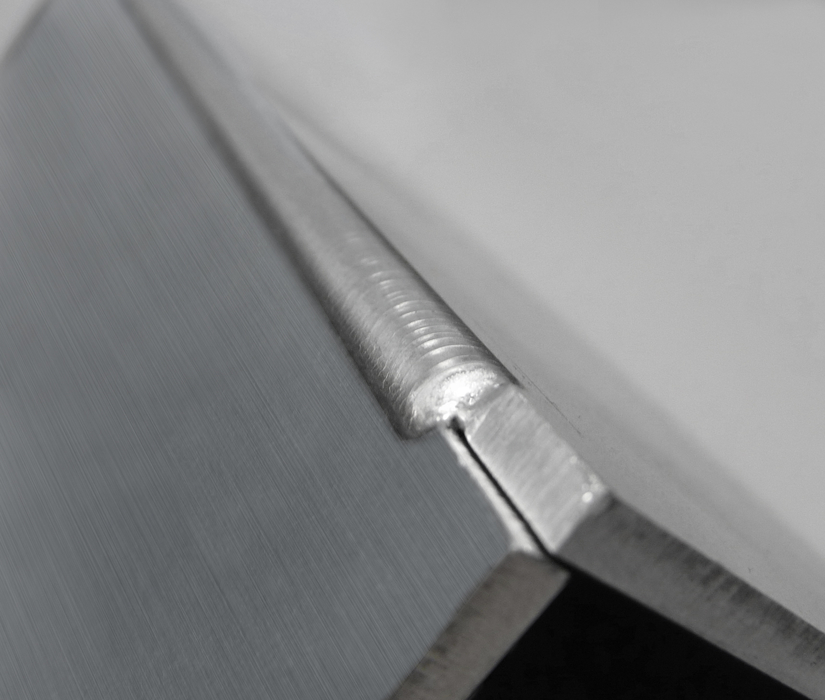
Investing in a mold laser welding machine is a strategic decision for precision manufacturers. These systems offer high‑accuracy repair, minimal heat distortion, and improved production uptime when dealing with cracked, worn, or damaged molds. However, not all laser welding machines are equal—choosing the right one requires an understanding of your factory’s specific needs, materials, production volume, automation strategy, and total cost of ownership.
This guide outlines the core factors that precision manufacturers should evaluate when selecting a mold laser welding machine. Whether you are upgrading existing equipment or purchasing your first system, these criteria help ensure you make a well‑informed choice that supports long‑term efficiency and quality.
1. Understand Your Repair Requirements
Before evaluating machines, define the types of mold repair work your factory performs:
- Mold materials: Are you repairing tool steels (e.g., H13, P20), stainless steels, copper alloys, aluminum, or other metals? Different lasers (fiber, CO₂, etc.) and power levels are better suited for specific materials.
- Crack types and size: Are most damages small surface cracks, deep structural cracks, or complex geometry wear?
- Mold size and complexity: Large molds require larger work envelopes and potentially stronger beam delivery systems.
Understanding these requirements early helps narrow down machines with the right specifications.
2. Laser Type and Wavelength
Laser welding machines differ by laser source type and wavelength, which affects energy absorption and performance:
- Fiber Lasers: Compact, efficient, and widely used for metal welding. Excellent for tool steels, stainless steels, and high‑reflectivity materials.
- CO₂ Lasers: Longer wavelength, effective for some industrial applications but less common in mold repair due to lower absorption in metals compared to fiber lasers.
- Nd:YAG Lasers: Pulsed lasers with good control for fine detail work; often used in traditional laser welding setups.
Key consideration: Fiber lasers generally offer better efficiency, lower maintenance, and higher beam quality for most mold materials.
3. Power and Welding Capacity
Laser welding power determines how thick and hard the material you can effectively weld:
- Low‑power systems (up to ~1.5 kW): Suitable for surface crack repair and thin‑section molds.
- Mid‑range systems (1.5–3 kW): Versatile choice for most industrial mold repair work.
- High‑power systems (above ~3 kW): Required for deep penetration welding on thick or hardened steel molds.
Select a machine with adequate power for your heaviest repair tasks, while keeping efficiency in mind for smaller repairs.
4. Beam Delivery and Focus Control
Precision in mold welding comes from how the laser beam is delivered and focused:
- Beam quality and stability: High beam quality means a tighter focus spot and more precise energy delivery.
- Dynamic focus control: Enables automatic adjustment of focal length during welding, especially useful for uneven surfaces or layered repair work.
- Optical delivery: Fiber delivery systems are more flexible and easier to maintain compared to articulated arms on other laser types.
Machines with advanced beam control provide better weld consistency and reduce thermal impact on the surrounding mold.
5. Automation and Integration
Consider the level of automation your factory requires:
- Manual systems: Suitable for shops doing occasional repairs or smaller molds. Operators position parts and control the machine directly.
- Semi‑automated systems: Provide motorized axes, pre‑programmed paths, and guided welding, reducing operator effort.
- Fully automated robotic systems: Ideal for high‑volume repair shops. Robots handle part positioning, alignment, and weld execution, enabling repeatability and higher throughput.
Integration with CNC systems, CAD/CAM weld path programming, and vision/inspection systems further increases precision and reduces operator dependency.
6. Software and User Interface
Software capabilities directly influence ease of use, programming speed, and repeatability:
- Intuitive UI: A clear interface reduces training time and minimizes programming errors.
- CAD import and path planning: Ability to import mold CAD files and generate weld paths accelerates setup for complex geometries.
- Process monitoring: Real‑time monitoring of weld parameters improves quality control and traceability.
Prioritize systems that support programmable workflows and data logging for quality assurance.
7. Safety Features
Laser welding involves high‑intensity beams and requires robust safety features:
- Enclosed workstations: Protect operators from stray laser radiation and fumes.
- Interlocks and shielding: Prevent access during operation and automatically shut down the laser if safety limits are breached.
- Fume extraction: Removes metal vapors and particulate generated during welding, supporting a safer work environment.
Compliance with industrial laser safety standards should be a non‑negotiable requirement.
8. Service, Support, and Training
Purchasing the machine is only part of the investment. Evaluate:
- Manufacturer support: Availability of local service technicians or remote diagnostic support.
- Training programs: Comprehensive training for operators and maintenance staff speeds up deployment.
- Spare parts availability: Ready access to optics, nozzles, and replacement parts reduces downtime.
Good vendor support ensures your machine remains productive over its lifecycle.
9. Total Cost of Ownership
Move beyond the upfront purchase price and calculate total cost of ownership:
- Energy consumption: Efficient lasers (e.g., fiber lasers) reduce operating costs.
- Maintenance needs: Fiber lasers typically require less maintenance than other laser sources.
- Consumables: Optics and protective components have replacement intervals.
- Productivity gains: Reduced downtime, longer mold life, and faster repair cycles contribute to lower overall costs.
A slightly more expensive system with lower operating costs and higher uptime can be more economical long term.
10. Scalability and Future Needs
Choose a system that fits not only your current requirements but also future growth:
- Modular options: Ability to add automation, additional axes, or higher power modules later.
- Flexible work envelopes: Adjustable tables and fixtures for different mold sizes.
- Software upgrades: Support for evolving workflows and new weld strategies.
A scalable solution protects your investment as production demands evolve.
Conclusion
Selecting the right mold laser welding machine involves careful analysis of repair needs, laser source type, power, precision, automation, software capabilities, safety, support, and cost of ownership. Precision manufacturers succeed by choosing machines that not only match their current workload but also support long‑term efficiency, quality, and growth.
Investing wisely in mold laser welding equipment ensures faster repair cycles, reduced downtime, improved mold longevity, and consistent part quality—making it an indispensable asset in modern manufacturing.
Post time: May-06-2026
