
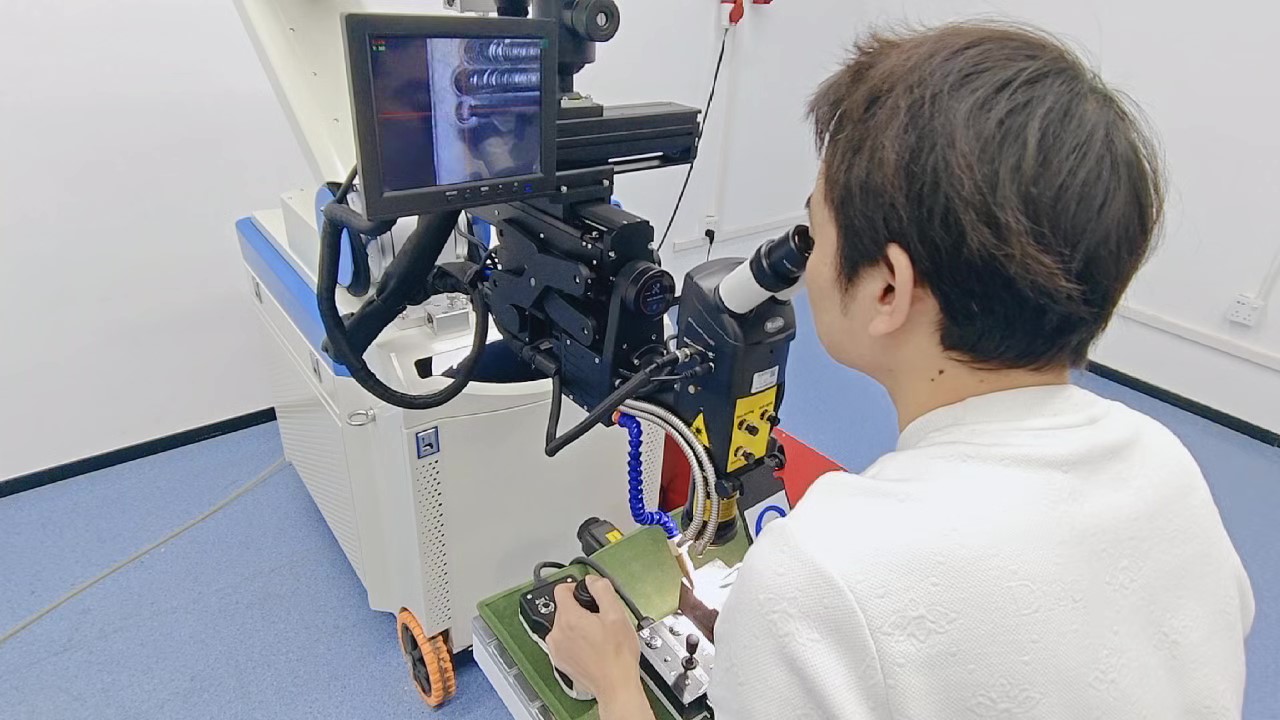
In modern manufacturing, molds are among the most valuable assets in production. Whether used in plastic injection molding, die casting, stamping, or precision tooling, molds experience wear, cracks, edge damage, and dimensional defects over time. Replacing a damaged mold can cost thousands or even tens of thousands of dollars, which is why many manufacturers invest in mold repair technologies.
Among the available repair methods, mold laser welding machines have become one of the most efficient and cost-effective solutions. However, one of the most common questions buyers ask is: How much does a mold laser welding machine cost?
The answer depends on several factors, including laser power, machine configuration, automation level, and intended application. This article explores the typical price range, the factors that influence cost, and how to determine the best investment for your workshop.
Average Mold Laser Welding Machine Price Range
The cost of a mold laser welding machine can vary significantly depending on specifications and manufacturing quality.
Generally speaking:
| Machine Type | Typical Price Range |
|---|---|
| Entry-Level Mold Laser Welder | $4,000 – $8,000 |
| Standard Industrial Mold Laser Welder | $8,000 – $18,000 |
| High-Power Automated Mold Laser Welder | $18,000 – $50,000+ |
For most mold repair workshops, a machine in the $8,000–$15,000 range provides an ideal balance between performance and affordability.
While cheaper options may seem attractive, professional users often prioritize welding stability, laser beam quality, cooling systems, and long-term reliability over the initial purchase price.
Factors That Affect Mold Laser Welding Machine Cost
1. Laser Power
Laser power is one of the biggest price determinants.
Common power options include:
- 200W
- 300W
- 400W
- 600W
- 1000W
Higher power machines can:
- Weld deeper cracks
- Handle larger molds
- Increase repair speed
- Improve productivity
For example, a 200W mold laser welder may be sufficient for small precision repairs, while a 600W system is often preferred for larger industrial molds.
As power increases, the machine price generally rises accordingly.
2. Laser Source Technology
Different laser technologies have different costs.
Traditional systems often use:
- YAG laser technology
- Xenon lamp pumping systems
Newer systems may utilize:
- Fiber laser technology
- Advanced energy management systems
Fiber laser mold welding machines usually offer:
- Lower maintenance costs
- Better energy efficiency
- Longer service life
- More stable performance
Although fiber-based systems typically cost more initially, they often reduce operating expenses over time.
3. Worktable and Motion System
Machine size and movement capability significantly influence price.
Basic systems may feature:
- Manual worktables
- Fixed welding positions
More advanced equipment includes:
- Motorized XYZ worktables
- Precision positioning systems
- Rotary axes
- Automatic movement control
These features improve accuracy and operator efficiency but increase machine cost.
4. Microscope and Monitoring System
Precision mold repair requires excellent visibility.
Most professional mold laser welders include:
- Stereo microscope systems
- CCD camera monitoring
- High-definition displays
Advanced visual systems allow operators to weld tiny cracks, edges, and corners with exceptional precision.
Machines equipped with premium optical systems generally command higher prices.
5. Cooling System Quality
Laser welding generates substantial heat.
Industrial-grade machines use:
- Water chillers
- Intelligent temperature control
- Continuous cooling systems
A reliable cooling system directly impacts:
- Laser lifespan
- Welding consistency
- Equipment stability
Lower-priced machines may use less robust cooling solutions, potentially affecting long-term performance.
6. Automation Features
Automation can significantly increase machine costs.
Examples include:
- Automatic wire feeding
- CNC control
- Programmable welding paths
- Robotic integration
- Intelligent parameter storage
While these features raise the purchase price, they can dramatically improve productivity in high-volume repair environments.
Hidden Costs Buyers Should Consider
Many buyers focus only on the machine’s purchase price, but ownership costs extend beyond the initial investment.
Maintenance Costs
Regular maintenance may include:
- Optical component cleaning
- Cooling system servicing
- Protective lens replacement
- General machine inspection
Choosing a high-quality machine often reduces maintenance frequency and downtime.
Consumables
Common consumables include:
- Welding wire
- Protective lenses
- Shielding gas (when applicable)
Fortunately, laser welding consumable costs are generally much lower than the cost of replacing damaged molds.
Operator Training
Even though modern systems are increasingly user-friendly, operator training remains important.
Proper training improves:
- Repair quality
- Welding efficiency
- Machine safety
- Production consistency
Some suppliers provide free technical training as part of the purchase package.
Is a Mold Laser Welding Machine Worth the Investment?
For many manufacturers, the answer is yes.
Consider a mold worth $15,000–$50,000. A small crack or damaged edge may traditionally require:
- Expensive outsourcing
- Long repair lead times
- Complete mold replacement
A mold laser welding machine allows repairs to be completed in-house, often within hours rather than days or weeks.
Benefits include:
- Reduced mold replacement costs
- Less production downtime
- Higher mold lifespan
- Improved repair precision
- Greater production flexibility
Many mold repair shops report that a quality laser welder can pay for itself after repairing only a handful of high-value molds.
How to Choose the Right Machine for Your Budget
Instead of buying the cheapest machine available, focus on value.
Ask yourself:
- What types of molds do I repair?
- What is the typical crack depth?
- How large are the molds?
- How many repairs are performed monthly?
- Do I need automation?
Small workshops may find a 200W–300W machine sufficient.
Medium-sized manufacturers often benefit from 400W–600W systems.
Large industrial facilities may require automated high-power equipment for maximum productivity.
The best machine is the one that matches your workload rather than simply offering the lowest price.
Conclusion
The cost of a mold laser welding machine typically ranges from $4,000 to over $50,000, depending on power, laser technology, automation features, optics, and overall build quality. For most professional mold repair applications, machines priced between $8,000 and $18,000 offer the best balance of performance and return on investment.
When evaluating costs, manufacturers should consider not only the purchase price but also productivity gains, reduced downtime, mold life extension, and long-term maintenance expenses.
For companies seeking a reliable and cost-effective mold repair solution, Dowin Laser offers industrial-grade mold laser welding machines designed for precision repair, stable operation, and long-term durability. Investing in the right equipment today can save substantial mold replacement costs and improve manufacturing efficiency for years to come.
Post time: Jun-03-2026
