
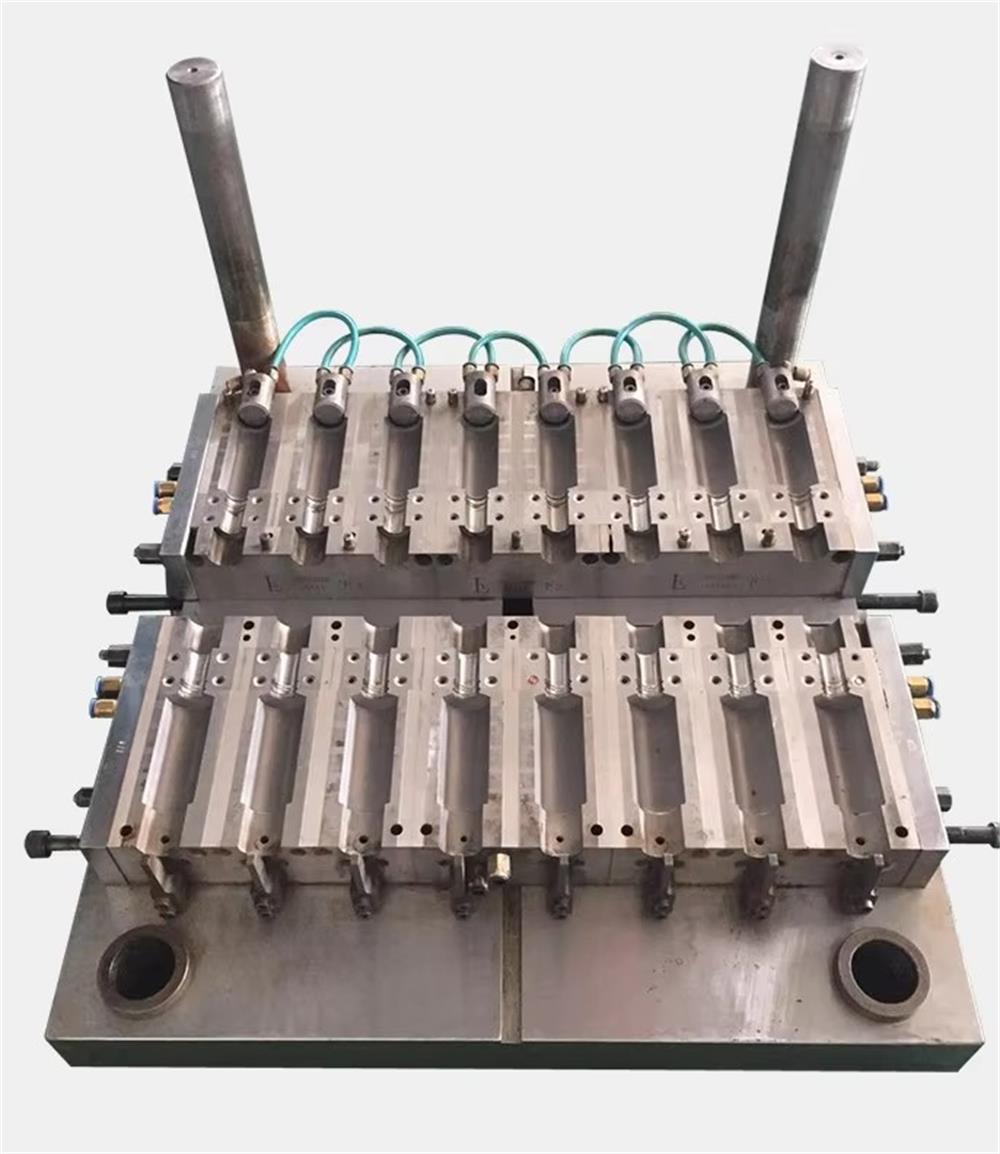
Injection molds are among the most valuable assets in modern manufacturing. Industries such as automotive, electronics, medical devices, packaging, and consumer goods rely heavily on high-precision molds to maintain production quality and efficiency. However, continuous exposure to molten plastic, high temperatures, pressure, and abrasive materials gradually causes mold erosion, leading to dimensional inaccuracies, poor product quality, and costly downtime.
Traditionally, mold erosion damage often required extensive repairs, replacement inserts, or even complete mold replacement. Today, mold laser welding technology offers a more efficient, precise, and cost-effective solution. By restoring worn areas without causing significant thermal distortion, mold laser welding has become a preferred repair method for mold maintenance professionals worldwide.
Understanding Erosion Damage in Injection Molds
Erosion occurs when mold surfaces gradually wear away due to repeated production cycles. Over time, the constant flow of molten materials, especially those containing glass fibers or abrasive fillers, can remove small amounts of metal from critical mold areas.
Common locations where erosion occurs include:
-
Gates and runners
-
Parting lines
-
Core pins
-
Cavities
-
Vent areas
-
Sharp corners and edges
As erosion progresses, manufacturers may experience:
-
Flash formation
-
Dimensional inconsistencies
-
Poor surface finishes
-
Increased rejection rates
-
Reduced mold lifespan
If left untreated, even minor erosion can eventually compromise the entire molding process.
Why Traditional Repair Methods Have Limitations
Conventional mold repair techniques such as TIG welding, brazing, or insert replacement can restore damaged areas, but they often introduce new challenges.
Traditional welding methods generate significant heat, which may cause:
-
Mold deformation
-
Heat stress
-
Cracking
-
Loss of dimensional accuracy
-
Extensive polishing requirements
For high-precision injection molds, even slight distortion can affect production quality and increase repair costs.
This is where mold laser welding provides a significant advantage.
How Mold Laser Welding Works
Mold laser welding machines use a highly focused laser beam to melt filler material and the damaged mold surface simultaneously. The laser deposits metal precisely where restoration is required.
Unlike conventional welding processes, laser welding delivers concentrated energy to a very small area. This creates a tiny heat-affected zone and minimizes thermal stress on the surrounding mold structure.
The process typically involves:
-
Inspecting the damaged area
-
Cleaning the mold surface
-
Selecting compatible welding wire
-
Depositing material layer by layer
-
Finishing and polishing the repaired area
The result is a precise restoration that maintains the original mold geometry.
Key Advantages of Laser Welding for Erosion Repair
Exceptional Precision
One of the biggest advantages of mold laser welding is its ability to repair extremely small damaged areas.
Operators can accurately restore:
-
Fine edges
-
Deep corners
-
Narrow grooves
-
Small cavities
-
Complex mold features
This precision is especially important in molds used for electronic components and medical products.
Minimal Heat Distortion
Laser welding concentrates heat in a highly localized area.
As a result:
-
Adjacent mold surfaces remain unaffected
-
Dimensional stability is preserved
-
Post-repair machining is reduced
-
Mold alignment remains accurate
This allows repairs to be performed without compromising the integrity of the mold.
Extended Mold Service Life
Instead of replacing expensive mold components, manufacturers can restore worn areas multiple times using laser welding.
This significantly extends mold lifespan and reduces capital expenditures.
Reduced Downtime
Fast repair turnaround is critical in modern manufacturing environments.
Laser welding allows maintenance teams to:
-
Perform targeted repairs
-
Minimize machining requirements
-
Return molds to production quickly
Reduced downtime translates directly into higher productivity and profitability.
Industries That Benefit Most
Many industries rely on mold laser welding to repair erosion damage.
Automotive Manufacturing
Automotive molds often process engineering plastics reinforced with glass fibers, which can accelerate wear. Laser welding helps restore precision surfaces without replacing expensive tooling.
Medical Device Production
Medical molds require extremely tight tolerances. Laser welding enables accurate restoration while maintaining strict dimensional requirements.
Consumer Electronics
Small, intricate mold features used in electronic housings can be repaired with exceptional precision using laser technology.
Packaging Industry
High-volume packaging molds experience continuous wear from rapid production cycles. Laser welding helps maintain performance while reducing maintenance costs.
Choosing the Right Filler Material
Successful erosion repair depends on selecting the correct filler wire.
Factors to consider include:
-
Mold steel composition
-
Hardness requirements
-
Wear resistance
-
Corrosion resistance
-
Surface finish requirements
Modern mold laser welding machines support a wide range of filler materials compatible with common mold steels such as P20, H13, NAK80, S136, and other specialty tool steels.
Best Practices for Mold Erosion Repair
To achieve optimal results, mold maintenance professionals should follow several best practices:
-
Inspect molds regularly for early signs of wear
-
Repair damage before it becomes severe
-
Use high-quality filler materials
-
Optimize laser parameters for each application
-
Conduct final polishing and dimensional verification
Preventive maintenance combined with laser welding can dramatically reduce long-term tooling costs.
The Future of Mold Maintenance
As injection molding technology continues to evolve, mold tolerances are becoming increasingly demanding. Manufacturers can no longer afford lengthy downtime or expensive mold replacements.
Mold laser welding has emerged as one of the most effective solutions for restoring erosion damage while preserving precision. Its ability to perform localized repairs with minimal heat input makes it an indispensable tool in modern mold maintenance operations.
Conclusion
Erosion damage is an unavoidable challenge in injection molding, but it does not have to result in costly mold replacement. Mold laser welding provides a highly precise, efficient, and economical method for restoring worn mold surfaces and extending tool life.
By minimizing heat distortion, preserving dimensional accuracy, and reducing downtime, mold laser welding has become the preferred repair technology for manufacturers seeking to maximize the value of their injection molds. For companies focused on productivity, quality, and long-term cost savings, investing in advanced mold laser welding equipment is a smart and strategic decision.
Post time: Jun-09-2026
