
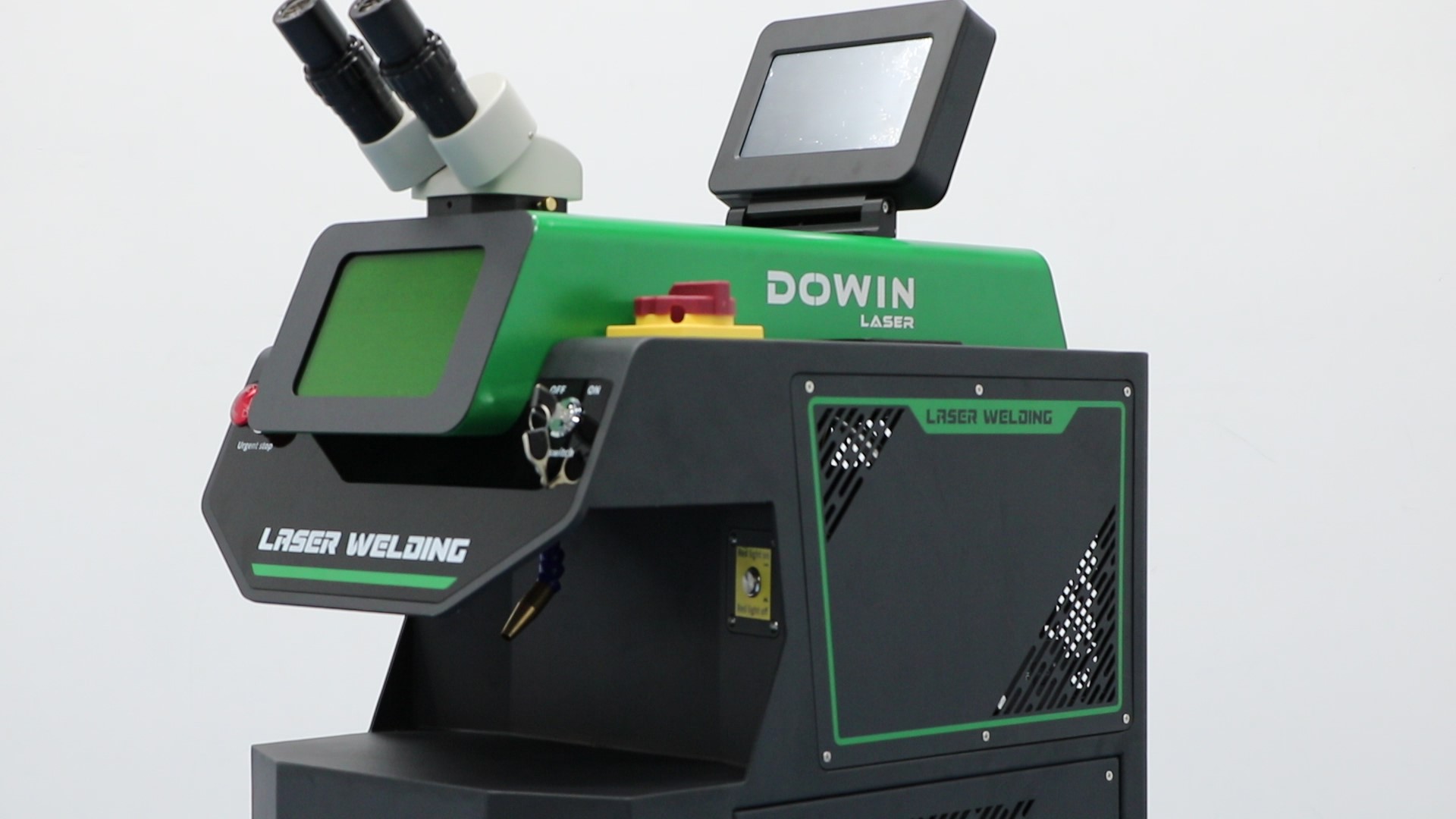
The jewelry industry is experiencing a major transformation driven by customization, precision craftsmanship, and innovative design trends. Modern consumers no longer want only traditional jewelry styles—they increasingly demand personalized pieces, intricate details, mixed materials, and unique artistic expression.
To meet these changing expectations, jewelers need tools that offer greater creative freedom and production precision. This is why laser welding technology has become one of the most important innovations in modern jewelry manufacturing and repair.
Unlike traditional soldering methods, jewelry laser welding provides exceptional control, minimal heat impact, and the ability to work on highly delicate structures. These advantages significantly enhance jewelry design flexibility and open new possibilities for designers and manufacturers alike.
The Growing Demand for Custom Jewelry
The global jewelry market is shifting toward personalization.
Customers increasingly seek:
- Custom engagement rings
- Personalized necklaces
- Unique luxury pieces
- Minimalist modern jewelry
- Mixed-metal designs
- Intricate handmade details
Traditional manufacturing methods often limit creativity because excessive heat and physical handling can damage delicate structures.
Laser welding removes many of these limitations, allowing designers to create more complex and innovative jewelry.
What Is Jewelry Laser Welding?
Jewelry laser welding uses a highly concentrated laser beam to join metal components together with extreme precision.
The laser focuses energy directly on the target area, melting metal locally without affecting surrounding sections.
This process allows jewelers to:
- Weld tiny components
- Minimize distortion
- Protect gemstones
- Create cleaner seams
- Reduce polishing work
Modern jewelry laser welders are commonly used for:
- Gold jewelry
- Silver jewelry
- Platinum jewelry
- Titanium accessories
- Luxury custom pieces
1. Greater Freedom for Complex Designs
Traditional soldering often struggles with highly detailed jewelry structures.
Excessive heat can:
- Warp delicate parts
- Damage nearby elements
- Limit assembly options
Laser welding offers much finer control, making it easier to produce:
- Intricate filigree
- Micro pavé settings
- Ultra-thin structures
- Layered designs
- Geometric modern jewelry
Designers are no longer forced to simplify concepts because of manufacturing limitations.
This dramatically expands creative possibilities.
2. Easier Mixed-Metal Jewelry Production
Mixed-metal jewelry is becoming increasingly popular in luxury markets.
Designers often combine:
- Yellow gold
- White gold
- Rose gold
- Platinum
- Silver
- Titanium
Traditional soldering can create discoloration or uneven heat distribution when joining different metals.
Laser welding provides localized heating, making mixed-metal assembly more precise and visually attractive.
This allows jewelers to experiment with:
- Color contrasts
- Multi-tone wedding bands
- Artistic custom combinations
- Contemporary luxury styles
3. Improved Gemstone Safety During Design Work
Modern jewelry frequently includes delicate gemstone settings placed close to metal joints.
Traditional soldering often requires removing stones before assembly or repair due to excessive heat.
Laser welding greatly reduces this problem.
Because heat is concentrated in a tiny area:
- Many gemstones can remain in place
- Delicate settings are better protected
- Complex assembly becomes easier
This is particularly valuable for:
- Diamond jewelry
- Custom engagement rings
- Luxury gemstone pieces
- Micro setting designs
Designers gain greater flexibility in stone placement and overall structure.
4. Enabling Ultra-Delicate Jewelry Structures
Minimalist jewelry trends continue growing worldwide.
Consumers increasingly favor:
- Thin rings
- Lightweight necklaces
- Fine chain designs
- Elegant minimalist structures
Traditional welding methods may deform these fragile components.
Laser welding allows jewelers to work safely with:
- Extremely thin metals
- Precision micro-components
- Lightweight luxury pieces
This capability supports modern aesthetic trends while maintaining structural durability.
5. Cleaner and More Invisible Joints
Design quality depends heavily on finishing details.
Visible solder marks or discoloration can reduce the visual appeal of high-end jewelry.
Laser welding produces:
- Smaller weld points
- Cleaner seams
- Less oxidation
- Minimal polishing requirements
As a result, designers can create jewelry with:
- Seamless appearances
- Smooth transitions
- High-end luxury aesthetics
Invisible joining techniques are especially important in premium custom jewelry markets.
6. Faster Prototyping for Jewelry Designers
Speed is increasingly important in jewelry development.
Laser welding accelerates prototype creation because it:
- Requires less preparation
- Reduces cleanup work
- Simplifies assembly
- Allows quick design modifications
Designers can experiment more freely without restarting entire projects.
This faster development cycle supports:
- Custom orders
- Limited collections
- Rapid product testing
- Trend-driven jewelry launches
In competitive fashion markets, rapid prototyping provides a significant advantage.
7. Better Repair and Redesign Opportunities
Jewelry redesign is becoming more common as customers update heirloom pieces or transform old jewelry into modern styles.
Laser welding allows jewelers to:
- Modify existing structures
- Add decorative elements
- Rebuild worn components
- Resize complex rings
- Combine old and new materials
Traditional soldering may damage fragile vintage pieces, while laser welding offers safer restoration and redesign possibilities.
This flexibility creates new business opportunities for jewelry workshops.
8. Supporting Artistic and Experimental Jewelry
Contemporary jewelry artists increasingly explore unconventional forms and materials.
Laser welding enables experimentation with:
- Asymmetrical structures
- Sculptural jewelry
- Precision textures
- Innovative assemblies
- Complex layered effects
Because the laser offers extremely precise energy control, artists gain more technical freedom to realize bold creative concepts.
9. Increased Production Efficiency
Design flexibility also depends on manufacturing efficiency.
If production methods are too slow or difficult, many creative designs become commercially impractical.
Laser welding improves workflow by:
- Reducing polishing time
- Minimizing assembly errors
- Improving consistency
- Lowering material waste
This allows workshops to produce complex jewelry more efficiently and profitably.
10. Supporting the Future of Smart Jewelry Manufacturing
As the jewelry industry moves toward digital manufacturing, laser welding integrates well with:
- CAD jewelry design
- 3D printing
- CNC precision manufacturing
- Automated production systems
Modern laser welders support the growing trend toward highly customized, digitally designed jewelry production.
This combination of digital design and precision welding is shaping the future of jewelry manufacturing.
Why Jewelry Businesses Are Investing in Laser Welding
Jewelry businesses increasingly adopt laser welding technology because it helps them:
- Expand creative capabilities
- Improve craftsmanship
- Offer premium customization
- Increase repair precision
- Enhance production flexibility
In luxury jewelry markets, flexibility and innovation are becoming key competitive advantages.
Customers want unique jewelry experiences, and laser welding helps make those experiences possible.
Final Thoughts
Laser welding has fundamentally changed the possibilities of modern jewelry design. By offering exceptional precision, minimal heat impact, cleaner welds, and greater material flexibility, laser technology empowers jewelers to create designs that were once difficult or impossible using traditional methods.
From mixed-metal luxury rings to delicate minimalist jewelry and complex custom creations, laser welding enhances both artistic freedom and manufacturing efficiency.
As customer demand for personalization and precision continues growing, laser welding technology will remain one of the driving forces behind the future evolution of jewelry design and craftsmanship.
Post time: May-27-2026
