
Introduction
Modern jewelry workshops face increasing pressure to deliver faster repairs, higher precision, and more complex customization work while maintaining premium quality standards. Traditional soldering methods often limit speed and increase rework time.
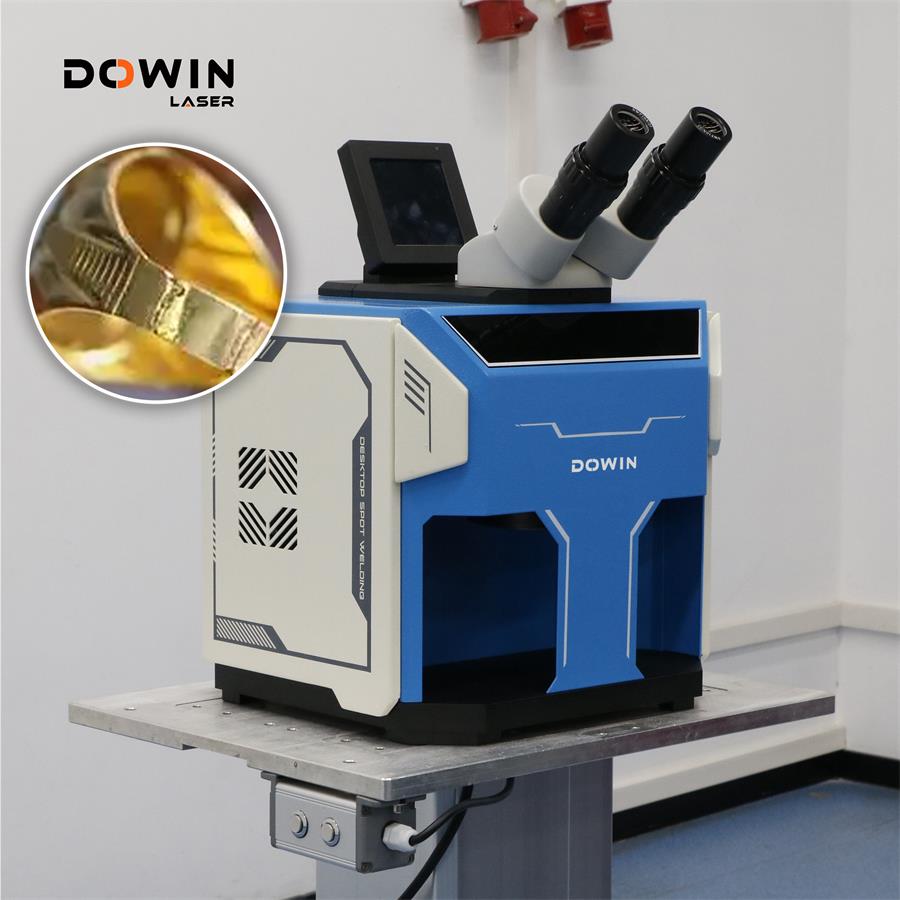
This is why jewelry laser welding machines increase workshop productivity has become a key topic for repair studios, manufacturers, and custom jewelry businesses. Laser welding technology improves efficiency by reducing processing time, minimizing errors, and expanding repair capabilities.
Faster Repair Cycles
One of the most direct productivity gains comes from speed.
Jewelry laser welding allows operators to complete tasks such as:
- Ring resizing
- Chain repair
- Prong rebuilding
- Crack filling
in significantly less time compared to traditional flame soldering.
Because the laser applies energy only to a precise point, there is no need for extensive heating, cooling, or post-processing preparation. This reduces total repair cycle time and allows workshops to handle more orders per day.
Reduced Post-Processing Work
Traditional welding methods often require:
- Heavy polishing
- Surface correction
- Stone resetting (in some cases)
- Additional finishing steps
Laser welding produces cleaner joints with minimal surface distortion. As a result, technicians spend less time on finishing work, which directly increases throughput.
Less rework also means:
- Lower labor cost per job
- Faster customer delivery
- Higher daily output capacity
Higher Precision Reduces Rework
Rework is one of the biggest productivity losses in jewelry workshops.
Laser welding improves precision by:
- Delivering controlled energy to micro areas
- Preventing overheating of surrounding metal
- Allowing fine adjustments during repair
This reduces the chance of mistakes such as:
- Over-melting
- Stone damage
- Structural distortion
Fewer errors mean fewer repeated repairs and higher overall efficiency.
Ability to Handle Delicate and Complex Jobs
Many traditional methods cannot safely repair delicate jewelry with gemstones or intricate structures.
Laser welding enables workshops to take on:
- Gemstone-set jewelry repairs
- Thin chains and micro-components
- Fine engraving area restoration
- High-value luxury jewelry work
This expands the range of services a workshop can offer, increasing order volume and revenue potential without adding extra labor.
Improved Workflow Efficiency
Jewelry laser welding machines streamline workflow in several ways:
Quick Setup
Minimal preparation is required before starting a repair job.
Easy Operation
Modern systems often include:
- Microscope observation systems
- Adjustable pulse settings
- Preset welding modes
These features reduce operator training time and improve consistency.
Faster Job Switching
Technicians can switch between different jewelry pieces quickly without extensive machine reconfiguration.
Reduced Material Waste
Precision welding minimizes unnecessary metal loss during repair.
This improves productivity in two ways:
- Lower material cost per job
- Less time spent correcting material loss or imperfections
For high-value metals like gold and platinum, this efficiency gain is particularly important.
Increased Daily Order Capacity
By combining faster repair cycles, reduced rework, and simplified workflows, workshops can significantly increase daily output.
In practice, this means:
- More rings repaired per day
- More custom orders completed
- Faster turnaround times for customers
Higher throughput directly improves workshop revenue without requiring additional staff.
Expanded Service Offering
Productivity is not only about speed—it is also about capability.
Laser welding allows workshops to offer advanced services such as:
- Luxury jewelry restoration
- High-precision structural repairs
- Complex custom modifications
- Antique jewelry repair
By expanding service offerings, workshops attract higher-value customers and increase average order value.
Better Customer Satisfaction
Faster delivery and higher-quality repairs improve customer experience.
Key benefits include:
- Shorter waiting times
- Cleaner repair results
- Reduced risk of stone damage
- More reliable outcomes
Satisfied customers often lead to repeat business and referrals, which indirectly boosts workshop productivity.
Lower Operator Fatigue
Traditional soldering requires prolonged heat exposure, manual precision, and repetitive finishing work.
Laser welding reduces physical strain by:
- Simplifying precision control
- Minimizing manual polishing workload
- Improving visibility through microscope systems
This helps technicians maintain consistent performance throughout the workday.
Conclusion
Understanding how jewelry laser welding machines increase workshop productivity highlights why this technology has become essential in modern jewelry repair and manufacturing.
By accelerating repair cycles, reducing rework, improving precision, and expanding service capabilities, laser welding systems significantly enhance overall workshop efficiency.
For jewelry businesses aiming to scale operations, reduce turnaround time, and improve service quality, investing in a laser welding machine is not just an upgrade in equipment—it is a direct improvement in productivity and profitability.
Post time: Jun-23-2026
