
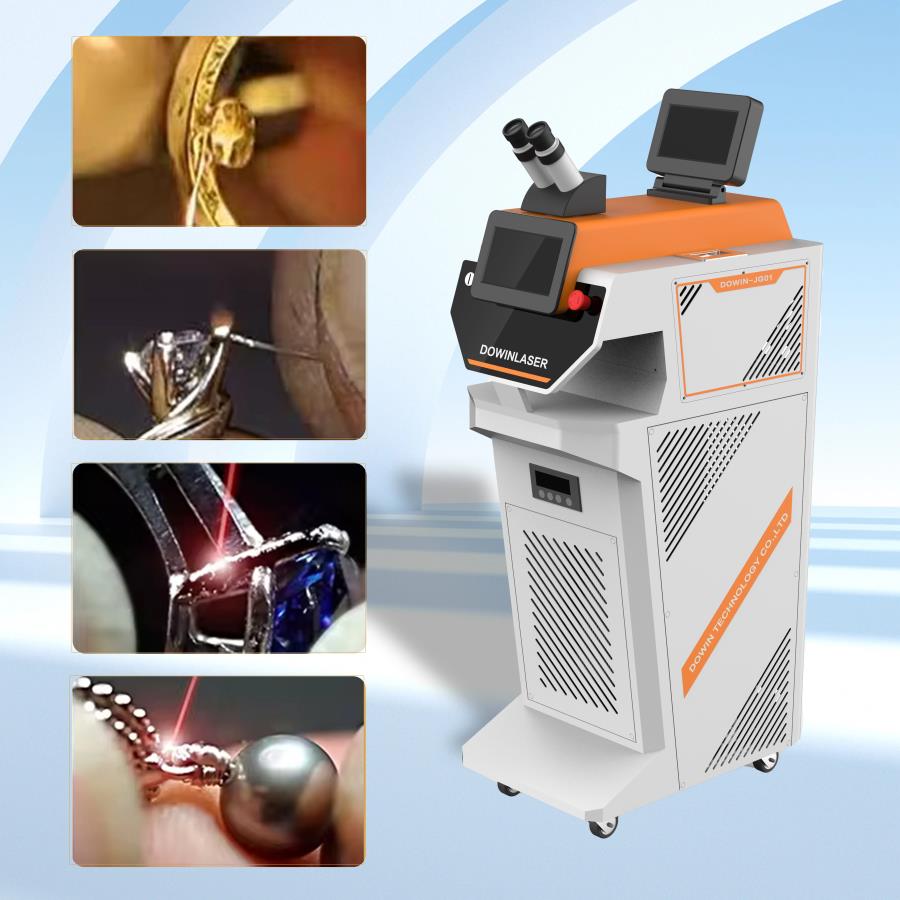
Antique jewelry carries more than monetary value—it represents history, craftsmanship, and personal memories. Whether it is a Victorian brooch, an Art Deco diamond ring, or a family heirloom passed down through generations, restoring antique jewelry requires extreme care. Traditional repair methods can sometimes expose delicate pieces to excessive heat, risking damage to gemstones, engravings, and fragile metal structures. Today, laser welding technology has become one of the most trusted solutions for restoring antique jewelry while preserving its original character.
The Growing Demand for Antique Jewelry Restoration
The global market for vintage and antique jewelry continues to expand as consumers seek unique, sustainable alternatives to mass-produced pieces. Collectors and jewelry enthusiasts value the intricate handcrafting techniques often found in older jewelry, many of which are difficult or impossible to replicate using modern manufacturing methods.
However, antique jewelry frequently suffers from:
- Worn prongs
- Cracked settings
- Broken clasps
- Damaged filigree work
- Thin ring shanks
- Loose gemstones
- Metal fatigue caused by decades of wear
Restoration professionals need repair methods that maintain authenticity while ensuring structural reliability. Laser welding has become a preferred tool for achieving this balance.
Why Traditional Repair Methods Can Be Risky
For decades, jewelers relied on torch soldering to repair damaged jewelry. While effective for many modern pieces, soldering can present challenges when working with antiques.
Potential risks include:
- Heat damage to gemstones
- Distortion of delicate metal structures
- Discoloration of surrounding areas
- Loss of fine engravings
- Difficulty accessing small repair points
Many antique pieces contain sensitive gemstones such as emeralds, opals, pearls, turquoise, and antique-cut diamonds. Excessive heat can crack, discolor, or weaken these stones.
Because of these challenges, jewelers increasingly turn to laser welding for precision restoration work.
How Laser Welders Work in Antique Jewelry Restoration
A jewelry laser welder uses a highly concentrated beam of light to generate heat at a specific location. Unlike traditional soldering, the heat remains confined to a tiny area, allowing repairs to be performed with exceptional precision.
The process generally includes:
- Inspecting the jewelry under magnification.
- Cleaning the damaged area.
- Adjusting laser settings based on metal type and repair requirements.
- Applying filler wire if needed.
- Welding the damaged section with precise laser pulses.
- Refinishing and polishing the repaired area.
Because the heat-affected zone is extremely small, surrounding materials remain largely untouched.
Benefits of Laser Welding for Antique Jewelry
Preserves Original Craftsmanship
One of the greatest challenges in antique restoration is maintaining the original appearance of the piece.
Laser welding enables jewelers to repair:
- Hand-carved details
- Milgrain patterns
- Filigree structures
- Decorative engravings
- Intricate lattice designs
The repair can often be completed without altering the surrounding craftsmanship.
Minimal Heat Exposure
Antique jewelry frequently contains fragile components that cannot tolerate traditional soldering temperatures.
Laser welding minimizes heat transfer, helping protect:
- Delicate gemstones
- Enamel decorations
- Thin metal sections
- Historic settings
In many cases, stones do not need to be removed before repair, reducing both labor and risk.
Highly Precise Repairs
Laser beams can target areas smaller than a millimeter.
This level of precision allows jewelers to:
- Rebuild worn prongs
- Repair tiny cracks
- Reinforce fragile joints
- Restore damaged decorative elements
Even repairs in hard-to-reach locations can often be completed successfully.
Strong, Long-Lasting Results
A properly executed laser weld creates a metallurgical bond between metal surfaces.
Benefits include:
- Excellent durability
- Strong structural support
- Resistance to daily wear
- Reliable gemstone security
For valuable heirloom pieces, durability is just as important as appearance.
Common Antique Jewelry Repairs Using Laser Welders
Rebuilding Worn Prongs
Over decades of wear, gemstone prongs gradually thin and weaken.
Laser welding allows jewelers to add metal precisely where needed, restoring the security of diamonds and colored gemstones without replacing the entire setting.
Repairing Filigree Work
Filigree designs are among the most beautiful yet fragile elements found in antique jewelry.
Traditional soldering may damage these intricate patterns. Laser welding provides the accuracy necessary to repair individual sections while preserving surrounding details.
Restoring Ring Shanks
Many antique rings develop thin or cracked shanks after years of use.
Laser welding can:
- Fill worn areas
- Repair cracks
- Reinforce weak sections
- Restore original ring dimensions
Fixing Broken Clasps and Hinges
Antique bracelets, lockets, and brooches often feature complex mechanical components.
Laser welders help restore:
- Hinges
- Safety catches
- Clasps
- Pin stems
while maintaining functionality and appearance.
Repairing Antique Platinum Jewelry
Many early twentieth-century jewelry pieces were crafted from platinum.
Because platinum has a high melting point, traditional repairs can be difficult. Laser welding provides controlled energy delivery that makes platinum restoration more efficient and precise.
Metals Commonly Restored with Laser Welding
Modern jewelry laser welders can repair a wide range of precious metals, including:
- Platinum
- Gold
- White gold
- Yellow gold
- Rose gold
- Silver
- Palladium
This versatility makes laser welders valuable tools for restoration specialists handling diverse collections.
Why Restoration Workshops Invest in Laser Welding Equipment
Antique jewelry restoration is a specialized market where quality matters more than speed. Nevertheless, laser welding offers advantages in both areas.
Professional workshops benefit from:
- Reduced repair times
- Higher restoration accuracy
- Fewer gemstone removals
- Lower risk of accidental damage
- Expanded service capabilities
- Improved customer satisfaction
As consumer demand for vintage and heirloom jewelry continues to grow, laser welding technology helps businesses provide premium restoration services.
Choosing the Right Jewelry Laser Welder
When selecting equipment for antique jewelry restoration, jewelers typically prioritize:
Precision Control
Fine adjustment of pulse energy and duration allows technicians to handle delicate repairs.
High-Quality Microscope Systems
Detailed visual inspection is essential when working on historic jewelry.
Stable Laser Performance
Consistent output ensures repeatable repair quality.
Compatibility with Precious Metals
The machine should perform effectively on gold, platinum, silver, and other jewelry materials.
Ease of Use
User-friendly controls reduce training time and improve productivity.
The Future of Antique Jewelry Restoration
As preservation standards continue to evolve, laser welding technology is becoming a cornerstone of modern jewelry restoration. It enables craftsmen to preserve historical integrity while delivering repairs that meet contemporary durability expectations.
Museums, restoration specialists, luxury jewelers, and custom jewelry workshops increasingly rely on laser welders to repair valuable antique pieces with minimal intervention.
Conclusion
Antique jewelry restoration demands a careful balance between preservation and repair. Laser welding technology provides jewelers with the precision, control, and reliability needed to restore heirloom pieces without compromising their historical beauty. From rebuilding worn prongs and repairing delicate filigree to restoring platinum settings and antique clasps, laser welders offer solutions that traditional methods often cannot match.
For jewelry restoration professionals seeking higher-quality repairs and greater protection for valuable pieces, laser welding has become one of the most important tools in the modern workshop.
Post time: Jun-11-2026
