
Wedding bands symbolize commitment, love, and lifelong partnership. Because they are worn daily, these rings endure years of exposure to friction, pressure, impacts, and environmental factors. Over time, even durable metals such as gold, platinum, and palladium can develop cracks. If left unrepaired, a small crack can expand, compromising the ring’s structural integrity and potentially leading to complete breakage.
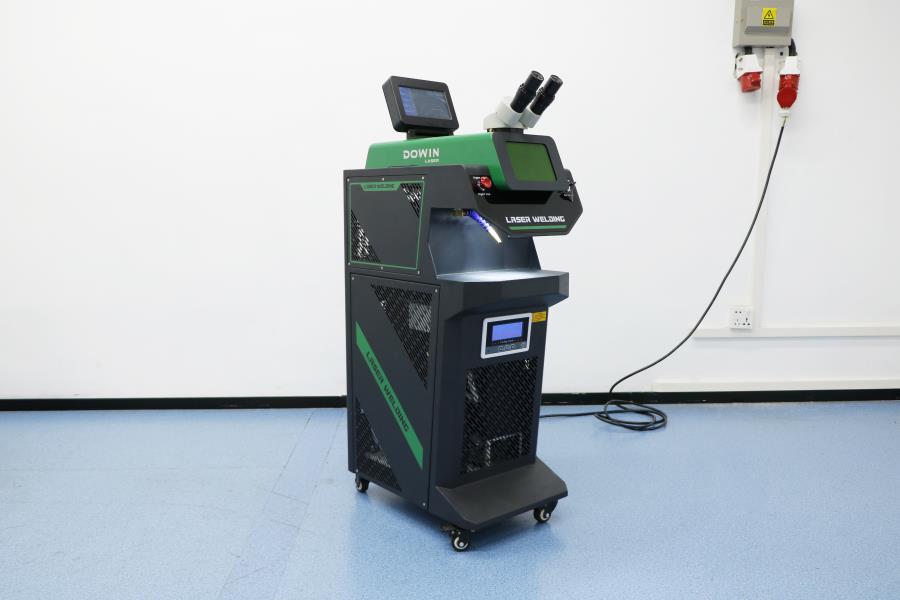
Modern jewelry repair professionals increasingly rely on precision laser welding technology to restore cracked wedding bands. Compared with traditional soldering methods, laser welding offers greater accuracy, stronger repairs, and improved protection for gemstones and delicate ring designs.
Why Wedding Bands Develop Cracks
Although wedding bands are designed for long-term wear, several factors can contribute to cracking over time.
Daily Wear and Stress
Wedding rings are constantly exposed to:
- Repeated bending forces
- Accidental impacts
- Heavy lifting
- Manual labor activities
- Contact with hard surfaces
Years of stress can gradually weaken the metal and create microscopic fractures.
Ring Resizing
Improper resizing procedures may introduce weak points into the band. Over time, these areas can become susceptible to cracking, especially if the ring experiences frequent pressure.
Metal Fatigue
Precious metals naturally experience fatigue after years of repeated stress cycles. Thin sections of the band are particularly vulnerable.
Manufacturing Defects
Although uncommon, casting porosity, inclusions, or production flaws can create structural weaknesses that eventually develop into visible cracks.
Wear and Corrosion
While precious metals are highly resistant to corrosion, prolonged exposure to chemicals, cosmetics, and environmental contaminants may contribute to surface deterioration and cracking.
Risks of Ignoring a Cracked Wedding Band
A small crack may seem insignificant at first, but it can quickly become a serious issue.
Potential consequences include:
- Complete ring breakage
- Loss of gemstones
- Expensive future repairs
- Permanent damage to intricate settings
- Reduced jewelry value
Early intervention is the most cost-effective and reliable solution.
Traditional Repair Methods and Their Limitations
For many years, jewelers repaired cracked rings using torch soldering.
While this method remains useful in some situations, it presents several challenges when working on valuable wedding bands.
Excessive Heat Exposure
Torch soldering heats a large portion of the ring, increasing the risk of:
- Gemstone damage
- Metal distortion
- Discoloration
- Surface oxidation
Reduced Precision
Applying solder to a small crack can affect nearby areas and require extensive refinishing.
Longer Repair Process
Traditional repairs often involve:
- Stone removal
- Solder application
- Cleaning
- Re-polishing
- Stone resetting
These additional steps increase labor time and repair costs.
Laser welding overcomes many of these limitations.
How Precision Laser Welding Repairs Cracked Wedding Bands
Jewelry laser welders use concentrated laser energy to create highly localized heat at the repair site.
The process generally includes:
- Inspecting the crack under magnification.
- Cleaning the damaged area.
- Aligning the cracked sections.
- Adjusting laser parameters for the specific metal.
- Applying controlled laser pulses to fuse the metal.
- Polishing and finishing the repaired area.
The heat remains focused on the crack itself, leaving surrounding metal largely unaffected.
Advantages of Laser Welding for Wedding Band Repair
Exceptional Precision
Laser welding can target extremely small areas with remarkable accuracy.
This allows jewelers to:
- Repair hairline cracks
- Weld thin sections
- Restore intricate designs
- Preserve original ring dimensions
The repair is highly controlled and minimally invasive.
Strong and Durable Repairs
Laser welds create metallurgical bonds that closely match the strength of the original metal.
Benefits include:
- Excellent structural integrity
- Long-lasting durability
- Resistance to future stress
- Reliable daily performance
A properly welded ring can often withstand years of continued wear.
Minimal Heat-Affected Zone
One of the greatest advantages of laser welding is the limited heat transfer.
This helps protect:
- Diamonds
- Colored gemstones
- Engraved details
- Delicate settings
- Surface finishes
In many cases, mounted stones can remain in place during repair.
Superior Cosmetic Results
Customers expect wedding band repairs to be virtually invisible.
Laser welding offers:
- Clean weld seams
- Minimal discoloration
- Reduced polishing requirements
- Seamless appearance
The repaired area often becomes difficult to detect even under close inspection.
Common Types of Wedding Bands Repaired with Laser Welding
Gold Wedding Bands
Laser welding is highly effective for:
- Yellow gold
- White gold
- Rose gold
Cracks, resizing seams, and worn areas can be repaired while maintaining appearance and strength.
Platinum Wedding Bands
Platinum’s high melting point makes traditional repairs challenging.
Laser welding provides the concentrated energy required for precise platinum restoration without excessive heating.
Diamond Wedding Bands
Wedding bands containing diamonds require extra caution during repair.
Laser welding minimizes heat exposure and helps protect valuable stones.
Engraved and Custom Bands
Customized rings often feature intricate engravings and decorative details.
Laser welding preserves these features while restoring structural integrity.
Why Jewelry Repair Shops Prefer Laser Welding
Modern jewelry workshops increasingly invest in laser welding equipment because it delivers both technical and business advantages.
Higher Repair Quality
Precision repairs improve customer satisfaction and reduce the likelihood of future issues.
Faster Turnaround
Many repairs can be completed more quickly compared to traditional soldering methods.
Expanded Service Capabilities
Laser welders allow shops to handle:
- Crack repairs
- Prong rebuilding
- Chain repairs
- Antique restoration
- Stone setting repairs
Reduced Risk
Lower heat exposure minimizes the chance of damaging valuable jewelry.
Features of an Effective Jewelry Laser Welding Machine
When selecting equipment for wedding band repairs, important features include:
Adjustable Energy Settings
Different metals require precise parameter control.
High-Quality Microscope System
Magnification allows technicians to identify and repair even microscopic cracks.
Stable Laser Output
Consistent performance ensures reliable weld quality.
Fine Spot Size Control
Small laser spots provide greater precision when working on delicate jewelry.
User-Friendly Interface
Efficient controls improve productivity and simplify training.
Future of Wedding Band Repair Technology
As jewelry repair standards continue to evolve, laser welding is becoming the preferred method for restoring wedding bands and fine jewelry. Advances in laser sources, digital controls, and microscope systems are making repairs even more precise and efficient.
Consumers increasingly expect repairs that maintain both the appearance and value of their jewelry. Laser welding meets these expectations by delivering strong, nearly invisible repairs with minimal risk.
Conclusion
Cracked wedding bands should never be ignored, as even minor damage can lead to significant structural failure over time. Precision laser welding provides a modern repair solution that combines accuracy, strength, and aesthetic excellence.
By concentrating heat only where it is needed, laser welding protects gemstones, preserves delicate details, and creates durable metallurgical bonds that restore the ring’s integrity. Whether repairing a simple gold band, a platinum wedding ring, or a diamond-set anniversary band, laser welding offers jewelers a superior method for achieving professional, long-lasting results.
Post time: Jun-12-2026
