
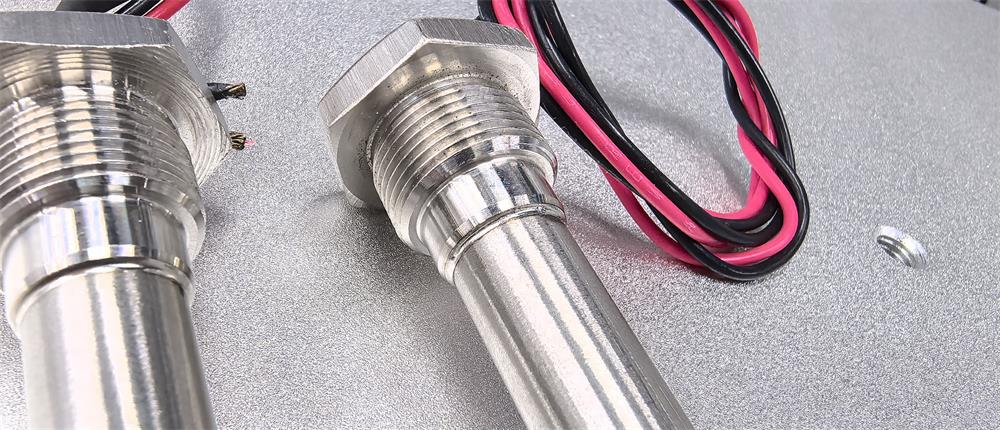
The South Korean sensor market is one of the most advanced and rapidly growing in the world. With industries like automotive, consumer electronics, healthcare, and industrial automation at the forefront of technological innovation, the demand for high-precision, high-quality sensors has never been greater. In this environment, mold laser welding machines are emerging as a pivotal technology that is transforming sensor manufacturing. This article delves into how mold laser welding is reshaping the sensor market in South Korea, the key trends driving this change, and why manufacturers in this region should embrace this technology.
The Rising Demand for High-Precision Sensors in South Korea
South Korea is home to some of the world’s most influential tech companies, including Samsung, LG, Hyundai, and SK Hynix. These global giants, along with numerous small and medium enterprises (SMEs), heavily rely on high-performance sensors to power products in sectors such as:
- Automotive (autonomous vehicles, safety features, engine management)
- Consumer Electronics (smartphones, wearables, IoT devices)
- Healthcare (medical devices, diagnostic tools, health monitors)
- Industrial Automation (robotics, machine sensors, factory automation)
As demand for more sophisticated sensors grows, so does the pressure to meet stricter standards in terms of precision, durability, and reliability. This is where mold laser welding technology comes into play.
What Are Mold Laser Welding Machines and Why Are They Important for Sensor Manufacturing?
Mold laser welding machines use focused laser beams to melt and fuse materials at high temperatures, creating a precise bond without the need for traditional mechanical joining techniques. This process is characterized by its:
- Extreme precision: The laser can be focused on areas as small as a few microns, ensuring flawless joints even in intricate components.
- Minimal heat-affected zone: Unlike traditional welding, which can cause distortion in surrounding materials, laser welding minimizes thermal impact, preserving the integrity of delicate sensor parts.
- No additional materials: Laser welding eliminates the need for fillers, fluxes, or adhesives, reducing contamination risks and improving the overall cleanliness of the weld.
For sensor manufacturers, these attributes translate into enhanced quality control, faster production cycles, and greater reliability in the final product.
How Mold Laser Welding Machines Are Revolutionizing the Sensor Market in South Korea
In South Korea, the adoption of mold laser welding in sensor manufacturing is not just a trend; it’s an industrial shift that is driving growth and innovation. Here’s how:
1. Precision and Accuracy in Sensor Assemblies
As the demand for advanced sensors increases, the need for precision and accuracy in manufacturing has become more critical. In industries like automotive and medical devices, where sensor failure could have catastrophic consequences, the ability to weld small and delicate components with micron-level accuracy is non-negotiable. Mold laser welding machines provide unprecedented precision, ensuring that sensors are assembled with perfect alignment and flawless joints.
For example, in automotive sensors used for safety features like airbags and crash detection, even the slightest imperfection in welding could result in sensor malfunction. By using laser welding, South Korean manufacturers ensure that their sensors meet the highest standards of safety and functionality.
2. Speed and Efficiency for High-Volume Production
South Korea’s industrial landscape is characterized by high-volume production of sensors, particularly in the consumer electronics sector. Laser welding significantly reduces cycle times compared to traditional welding methods, enabling manufacturers to boost throughput and scale production efficiently.
For example, in the production of wearable health devices, where sensors are embedded in compact spaces, the rapid and precise nature of mold laser welding ensures that each device is assembled quickly without compromising on quality. In a market that values both speed and reliability, laser welding offers the perfect balance.
3. Sustainability and Waste Reduction
Sustainability is a growing concern for manufacturers globally, and South Korea is no exception. In a country that has made significant strides in environmental regulations, laser welding machines contribute to more sustainable manufacturing processes by reducing material waste and energy consumption.
Traditional welding methods often involve additional materials like fillers or fluxes, which generate excess waste. Laser welding eliminates the need for these materials, resulting in a cleaner production process. For the environmentally conscious South Korean market, this reduction in waste is a significant advantage.
4. Enhanced Durability and Resistance to Harsh Environments
South Korea’s high-tech industries, particularly automotive and aerospace, require sensors that can withstand extreme conditions such as high temperatures, vibrations, and humidity. Mold laser welding machines help enhance the durability of sensors by creating strong, hermetically sealed joints that can endure these harsh environments.
For instance, automotive sensors used in engine management systems or autonomous vehicle sensors need to maintain functionality under fluctuating temperatures and high vibrations. Laser welding ensures that these sensors are both resistant to external stress and able to maintain their performance over time.
Key Trends Driving the Adoption of Mold Laser Welding in South Korea’s Sensor Market
1. Growth of the Automotive Industry
With the rise of electric vehicles (EVs) and autonomous driving technologies, South Korea’s automotive industry is placing increasing importance on precision sensors for everything from advanced driver-assistance systems (ADAS) to battery management systems (BMS). The need for high-performance, reliable sensors has made mold laser welding a critical technology for ensuring quality and efficiency in sensor production.
2. Expansion of the Healthcare and Medical Device Sectors
As the aging population in South Korea increases, there is growing demand for medical sensors in devices such as wearable health monitors, diagnostic equipment, and implantable devices. The precision offered by mold laser welding is ideal for creating small, accurate, and durable sensor components used in these medical applications.
3. The Push for Industry 4.0 and Smart Factories
The South Korean manufacturing sector is transitioning to Industry 4.0, with a focus on automation, robotics, and smart factories. As a result, there is an increasing need for highly accurate, low-maintenance sensors that can operate efficiently in these automated environments. Mold laser welding aligns perfectly with the requirements of smart manufacturing, where precision and speed are paramount.
Challenges and Opportunities for Mold Laser Welding in the Sensor Market
While the benefits of mold laser welding are clear, there are a few challenges that manufacturers in South Korea must address:
- High Initial Investment: The upfront cost of purchasing and installing mold laser welding machines can be significant. However, the long-term benefits, including reduced cycle times, higher-quality products, and lower operational costs, often outweigh the initial investment.
- Skillset Requirements: Operating and maintaining laser welding machines requires specialized skills. Manufacturers must invest in employee training to ensure they can fully capitalize on the technology’s potential.
However, these challenges also present opportunities for manufacturers who are willing to embrace change. By investing in mold laser welding, South Korean sensor producers can gain a competitive edge in both the domestic and international markets.
Conclusion: The Future of Sensor Manufacturing in South Korea
Mold laser welding machines are rapidly becoming a cornerstone of South Korea’s sensor manufacturing sector. As industries demand higher levels of precision, efficiency, and sustainability, laser welding offers the perfect solution. The combination of unmatched accuracy, faster production speeds, and cleaner processes makes mold laser welding indispensable for sensor manufacturers looking to stay competitive in an increasingly demanding market.
For companies in South Korea, adopting this technology is not just about keeping pace with global trends; it’s about leading the charge in innovation and setting new standards for what’s possible in sensor manufacturing. The future is bright for mold laser welding, and those who embrace it today will be the industry leaders of tomorrow.
Post time: Apr-30-2026
